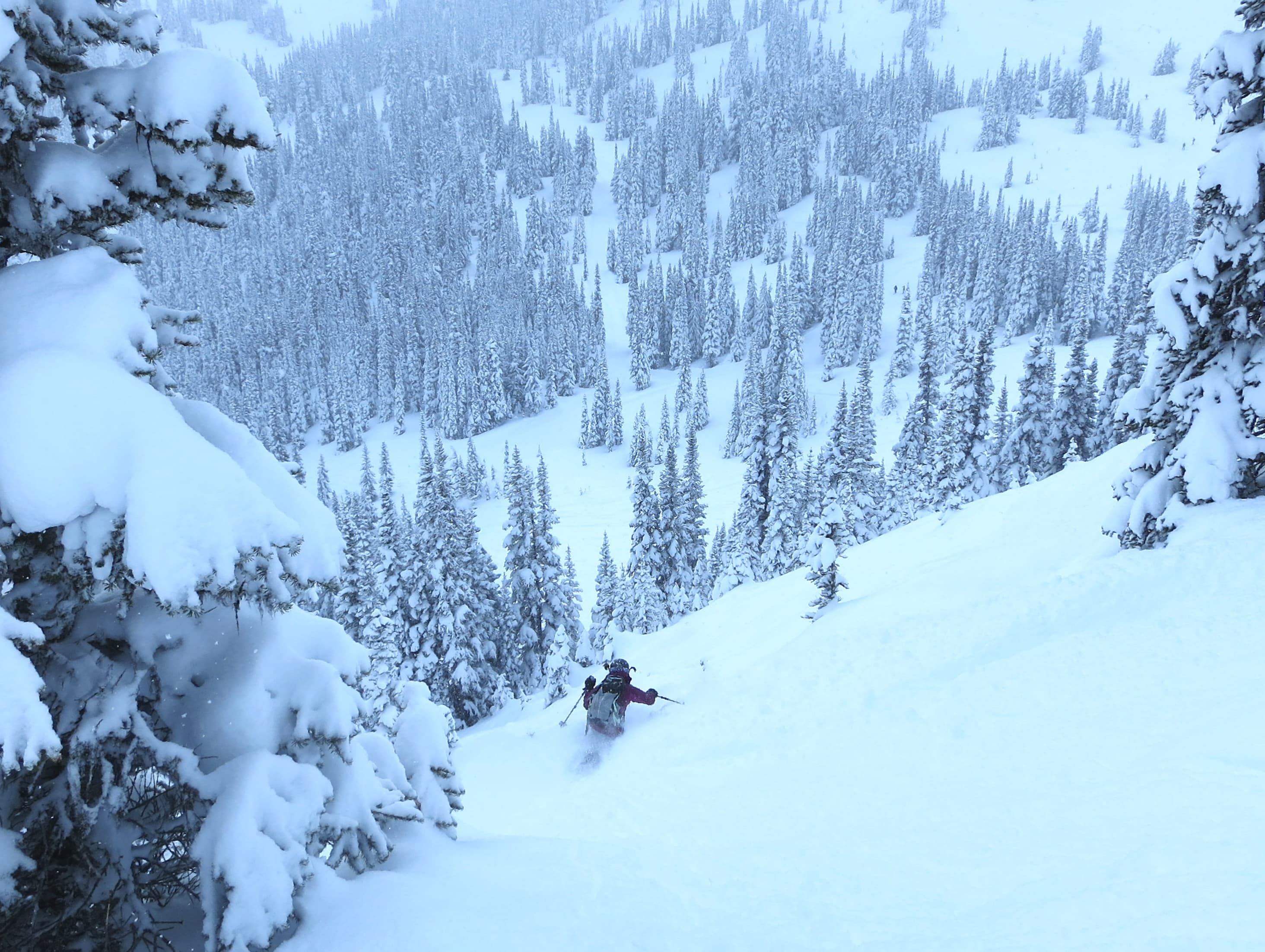
advanced skiingoff-pisteexpert terrainfreeridepowder
Best Ski Resorts for Advanced Skiers and Off-Piste
The Mountain Marker Team10 min read
The best ski resorts for advanced skiers and off-piste in Europe are Chamonix, St. Anton, Verbier, and Tignes/Val d'Isere. These four resorts consistently score 8-10 across our expert, off-piste, and advanced terrain ratings because they offer something that most North American resorts simply cannot: vast, lift-accessed backcountry terrain with vertical drops measured in thousands of feet, combined with a freeride culture and guide infrastructure built over decades.
If you are an advanced American skier who has topped out on the double blacks at Jackson Hole or Squaw Valley, European off-piste skiing is the next level. The terrain is bigger, the vertical is longer, the approaches are more committing, and the consequences of poor decision-making are more serious. But with proper preparation — a qualified mountain guide, avalanche safety equipment, and realistic self-assessment — the experience is unlike anything else in the sport.
What "Off-Piste" Means in Europe
Before we rank resorts, it is important to understand that "off-piste" in Europe means something different from "backcountry" or "sidecountry" in the US.
At American resorts, ski patrol controls avalanche hazard within the resort boundary. If an area is open, it has been evaluated and (usually) mitigated. At European resorts, there is no controlled boundary in the same sense. Once you leave the marked pistes, you are in uncontrolled terrain. There is no ski patrol sweeping for stragglers, no avalanche control program covering the off-piste zones, and no guarantee that what looks like a reasonable line from above will not cliff out below.
This is not a warning to stay away — it is a description of the operating environment. European off-piste skiing is magnificent precisely because it is unmanicured. But it demands respect, equipment, and expertise.
Essential Off-Piste Equipment
Every skier venturing off-piste in Europe should carry:
- Avalanche transceiver (beacon) — worn on the body, not in a pack
- Probe — minimum 240cm (about 8 feet)
- Shovel — metal blade, not plastic
- ABS airbag pack (recommended but not mandatory)
- Helmet (mandatory in our view)
Most resorts on this list have rental shops that offer avalanche safety kits. Budget about $30-$50 per day for the transceiver, probe, and shovel package.
The Guide Question
Should you hire a mountain guide? If you are skiing off-piste in Europe for the first time, the answer is an unequivocal yes. Even if you are an expert skier with avalanche training, local knowledge of the terrain — where routes go, where they cliff out, where the crevasse fields hide beneath the snow — is irreplaceable.
Certified mountain guides in France (UIAGM/IFMGA certified) and Austria (Bergfuhrer) have completed multi-year training programs. A full day with a guide costs roughly $400-$700 for a group of up to four skiers. Split four ways, that is $100-$175 per person for a day of terrain you could never safely access alone.
The Best Resorts for Advanced Skiers and Off-Piste
1. Chamonix, France — The Birthplace of Alpinism
Chamonix scores a perfect 10 for both off-piste and expert terrain, with an advanced terrain score of 10 and a scenery rating of 10. This is the mountain town against which all others are measured. The Vallee Blanche — a 13-mile (20km) descent from the Aiguille du Midi at 12,605 feet (3,842m) down through glaciated terrain to the village at 3,396 feet (1,035m) — is the single most famous off-piste run in the world.
But Chamonix is more than the Vallee Blanche. The Grands Montets area offers some of the steepest lift-accessed terrain in the Alps, with couloirs and north-facing powder fields that hold snow for days after a storm. The Brevent-Flegere area has technical off-piste lines with massive exposure. And the backcountry touring options extending toward the Italian and Swiss borders are effectively limitless.
What Americans should know: Chamonix is not a single interconnected ski resort. It is a valley with five separate ski areas, each requiring a bus or car to access. The town itself sits at 3,396 feet (1,035m), which is remarkably low by Alpine standards. The ski terrain starts much higher, accessed by cable cars that cover enormous vertical in single stages. This layout means more transit time and less ski-in/ski-out convenience than a typical American mega-resort.
The beginner score of 3 and family score of 4 tell you everything about Chamonix's priorities. This is a town built for serious mountaineers and expert skiers. The restaurants, bars, and culture reflect that — you are surrounded by people who do this for a living.
Best off-piste lines: Vallee Blanche (classic glacial descent), Pas de Chevre (steep, committing, incredible), the north face of Grands Montets (when conditions align), and the Col du Passon tour (requires skinning).
2. St. Anton, Austria — The Freeride Capital of Austria
St. Anton matches Chamonix with a perfect 10 for off-piste, expert terrain of 10, and advanced terrain of 10. But St. Anton delivers this in a fundamentally different format: a single, massive, interconnected ski area with 305km (190 miles) of marked pistes and an even larger network of recognized off-piste itineraries.
The key difference from Chamonix is accessibility. St. Anton's off-piste terrain is lift-accessed from the main ski area. You ride the Valluga cable car to 9,222 feet (2,811m) and the off-piste starts from the top station. The famous run from the Valluga into Zuers is a long, exposed north-facing descent that requires a guide (legally — the cable car operator will not let you ride to the top without one). The Rendl area offers excellent powder fields above the treeline. And the long descents from Kapall into the Verwalltal are some of the best backcountry terrain in the Arlberg.
St. Anton's beginner score of 4 confirms that this is not where you come to learn. The resort's culture is built around expert skiing and vigorous apres-ski — the Mooserwirt and Krazy Kanguruh bars are legendary for a reason.
Practical tip: St. Anton is part of the Arlberg ski area, which includes Lech, Zurs, Warth, and Stuben. Your lift pass covers the entire interconnected area. This means you can ski the expert terrain in St. Anton and return to the gentler slopes of Lech for a civilized lunch. The combination is one of the best in the Alps.
Best off-piste lines: Valluga north face to Zuers (guide required), Schindler Spitze couloirs, Rendl powder fields, Mattun backcountry bowls.
3. Verbier, Switzerland — The Freeride World Tour Stage
Verbier hosts a stage of the Freeride World Tour on the Bec des Rosses face, which should tell you everything about the caliber of terrain here. The Four Valleys ski area covers 410km (255 miles) of pistes, but the real draw is the off-piste: steep couloirs, glaciated bowls, and long backcountry descents accessible from the Mont Fort cable car at 10,925 feet (3,330m).
The Mont Fort glacier descent, the Col des Mines traverse, and the classic Vallon d'Arbi powder run are among the most sought-after freeride lines in Switzerland. Verbier's terrain sits in a natural bowl that catches storms from multiple directions, and the north-facing aspects above the village hold powder for days.
Verbier's guides bureau (Bureau des Guides de Verbier) is one of the oldest and most respected in Switzerland. A guided day here will take you to terrain that feels genuinely remote despite being within a lift-ride of the village.
What Americans should know: Verbier is expensive. Switzerland is the most costly country to ski in Europe, and Verbier is among the priciest Swiss resorts. A day's guiding, lift pass, lunch, and equipment will run $500-$700 per person. The skiing justifies the price for experienced freeriders, but this is not a value destination.
Best off-piste lines: Bec des Rosses (expert only, avalanche assessment critical), Mont Fort glacier, Vallon d'Arbi, Col des Gentianes traverse.
4. Tignes / Val d'Isere, France — Best All-Around Expert Resort
Tignes/Val d'Isere (together forming the Espace Killy area) score a perfect 10 for off-piste, 10 for advanced terrain, and 10 for snow reliability. The 300km (186 miles) of marked pistes are supplemented by an enormous off-piste area that includes glaciated terrain on the Grande Motte (11,338 feet / 3,456m), the steep faces above the Fornet area in Val d'Isere, and the backcountry runs dropping into the Gorges de Malpasset.
What makes Espace Killy exceptional for advanced skiers is the combination of terrain scale, snow certainty, and lift infrastructure. The modern lift system gets you to the off-piste access points quickly, and the altitude (Tignes sits at 6,890 feet / 2,100m) ensures that the snow stays cold and dry.
Val d'Isere's Face de Bellevarde — the Olympic downhill course — is one of the most famous on-piste challenges in the world. When groomed, it is a steep, sustained, leg-burning descent. When left ungroomed after snowfall, it becomes a mogul field that will test any skier.
Best off-piste lines: Grand Vallon (long, sustained, north-facing), Tour du Charvet, Gorges de Malpasset (committing exit), Col Pers couloirs.
5. Ischgl, Austria — Best Expert Resort You Have Not Heard Of
Ischgl flies under the American radar, but it should not. With an expert score of 8, off-piste score of 8, and a snow reliability rating of 9, this Paznaun valley resort delivers serious terrain in a compact, well-organized package. The 239km (148 miles) of pistes include some genuinely steep runs, and the off-piste terrain on the Piz Val Gronda (9,688 feet / 2,953m) rivals anything in the Arlberg.
The resort's high altitude (base at 4,593 feet / 1,400m, top at 9,688 feet / 2,953m) ensures excellent snow coverage. The long descent from the Palinkopf into the Fimbatal is one of the best off-piste runs in Tyrol — north-facing, sustained, and finishing at the Swiss border town of Samnaun (where you can buy duty-free goods before skiing back to Austria).
Ischgl's apres-ski scene is among the most intense in the Alps. If you want to ski hard lines by day and go out hard at night, this is your resort.
6. Lech, Austria — The Refined Freeride Option
Lech might seem like an odd inclusion on an advanced skiing list — its beginner score of 7 and family score of 9 suggest a gentler resort. But Lech's off-piste score of 8 reflects a reality that most visitors never discover: the backcountry terrain above and around the resort is outstanding.
The ski routes from Zuger Hochlicht and the Kriegerhorn offer long, north-facing powder descents. The connection to Warth-Schrocken opened up additional backcountry terrain that receives some of the heaviest snowfall in the Alps (snow reliability score of 9). And the guided ski safari from Lech through St. Anton and back is one of the great multi-resort off-piste experiences in the sport.
Lech's advantage for the advanced American skier is the combination: challenging off-piste skiing during the day, followed by an evening in one of the most elegant mountain villages in Austria. The restaurants here are genuinely excellent.
Off-Piste Safety: What Every American Skier Needs to Know
Avalanche Risk Is Real
The European Alps average 100-150 avalanche fatalities per year. The majority of victims are experienced skiers and mountaineers caught in terrain they underestimated. Check the local avalanche bulletin every morning — in France, it is published by Meteo France; in Austria, by the respective Lawinenwarndienst (avalanche warning service); in Switzerland, by the SLF (WSL Institute for Snow and Avalanche Research).
The European avalanche danger scale runs from 1 (low) to 5 (very high). At level 3 ("considerable"), most off-piste accidents occur because skiers assume "considerable" sounds moderate. It is not. Level 3 means human-triggered avalanches are probable on steep slopes.
Crevasse Danger on Glaciated Terrain
Several resorts on this list (Chamonix, Verbier, Tignes) involve glaciated off-piste terrain. Crevasses are not visible when covered by snow. A rope, harness, and the skills to perform a crevasse rescue are essential for glacial travel. If you do not have these skills, hire a guide.
Insurance
Standard US health insurance does not cover helicopter rescue in the European Alps. A helicopter evacuation costs $5,000-$15,000. Purchase specific mountain rescue and repatriation insurance before your trip. Companies like Global Rescue and World Nomads offer policies designed for skiers.
The Code of Conduct
In Europe, the FIS (International Ski Federation) rules of conduct apply on all marked pistes. Off-piste, you are operating under your own responsibility. If you trigger an avalanche that injures others, you may face criminal liability. This is not theoretical — prosecutions happen.
Planning Your Advanced Skiing Trip
When to Go
For off-piste conditions, timing matters more than at a piste-skiing resort. The best powder windows are typically:
- January: Cold temperatures, frequent storms, short days. Best for guaranteed cold snow.
- Late February to mid-March: Longer days, still-frequent storms, snowpack is deep. The statistical sweet spot.
- April: Spring conditions. Warm, stable snow in the morning, softening by afternoon. Ideal for steep couloirs that are too dangerous when loaded with fresh snow.
Physical Preparation
European off-piste skiing is more physically demanding than groomed-run skiing. The vertical descents are longer (3,000-6,000 vertical feet per run is common), the terrain is uneven, and you may need to hike or traverse to access certain lines. Arrive in good cardiovascular shape with strong legs. If you can run 5 miles comfortably and do 50 bodyweight squats, you are in reasonable shape for a week of off-piste skiing.
Choosing the Right Resort for Your Level
Use Mountain Marker's resort comparison tool to evaluate resorts by expert rating, off-piste score, and advanced terrain score. If you are transitioning from groomed expert skiing to off-piste for the first time, Ischgl and Lech offer a manageable introduction. If you are an experienced freerider looking for the most committing terrain, Chamonix and Verbier are the pinnacle.
Browse all expert-rated resorts on Mountain Marker's resort directory to compare scores, check snow reliability, and find the right mountain for your ability level.
Where to stay in Chamonix
Browse hotels and accommodation near Chamonix.
Find hotels on Expedia →Sponsored — we earn a small commission when you book through Expedia. It doesn't cost you more.
 Resort
Chamonix
France
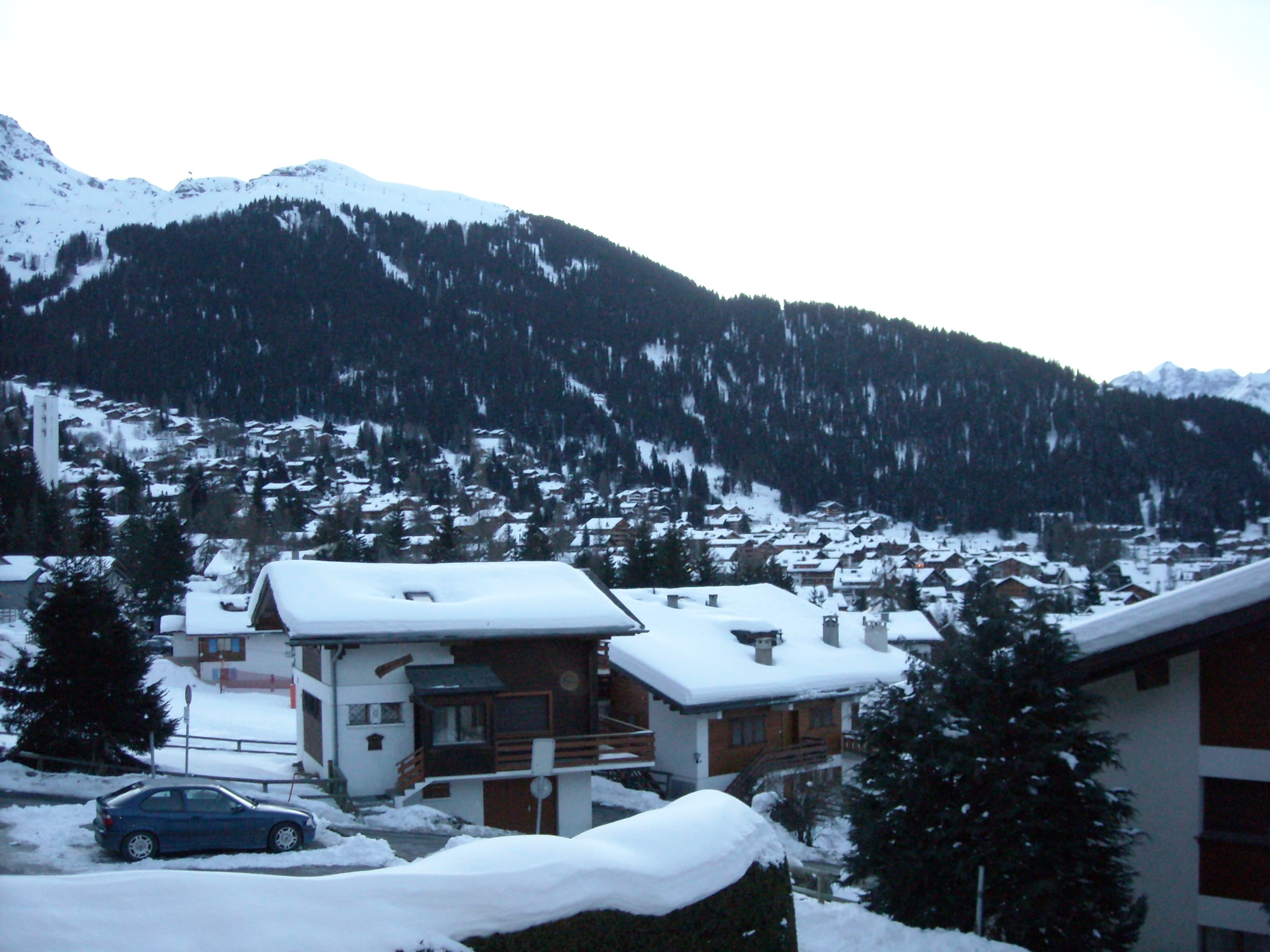 Resort
Verbier
Switzerland
ArticleBest Ski Resorts for Advanced Skiers: Expert Terrain Worldwide
Bored of groomed runs? These are the ski resorts that challenge, surprise, and reward advanced skiers — from the off-piste of Chamonix and Verbier to the freeride zones of Japan and the Americas.