advanced skiingexpert terrainoff-pistefreerideblack runssteep skiing
Best Ski Resorts for Advanced Skiers: Expert Terrain Worldwide
The Mountain Marker Team6 min read
Advanced skiing is a broad category. It includes the skier who wants perfectly groomed black runs at high speed, the freerider chasing untracked powder through trees, and the alpinist who treats ski mountaineering as the logical extension of their on-piste ability. This guide covers destinations that genuinely challenge all of them.
The resorts listed here are not entry-level. If you're progressing toward advanced skiing, check our guide to best beginner and intermediate resorts first. But if you can comfortably ski any groomed run at any pitch, handle moguls, and have explored some off-piste, these are the destinations worth planning your career around.
Europe's Best Resorts for Advanced Skiers
Chamonix, France — The World's Capital of Extreme Skiing
There is no debate. Chamonix is the global reference point for expert mountain skiing. Situated at the foot of Mont Blanc (4,808m, the highest peak in the Alps), it has attracted the world's best alpinists and extreme skiers for over a century — and for good reason.
What makes Chamonix exceptional:
- The Vallée Blanche: a 20km off-piste descent from the Aiguille du Midi (3,842m) with 2,800m of vertical. Non-negotiable for any advanced skier visiting Chamonix.
- Les Grands Montets: the primary resort area, with sustained steep terrain, challenging mogul fields, and extensive off-piste sectors.
- Couloirs and technical routes accessed by téléphérique that don't appear on any piste map.
- A mountain guide culture that is the most developed in the world — hire a guide for your first forays off-piste.
The honest caveats: Chamonix's on-piste network is modest compared to resorts like Verbier or the Three Valleys. The weather is serious mountain weather — storms come in fast and the altitude demands respect. This is not a resort where intermediate skiers can casually venture off the marked runs.
For expert skiers, Chamonix is a pilgrimage. Plan a minimum of five days and hire a guide for at least two of them.
Compare: Chamonix vs. Verbier | Chamonix vs. St. Anton
Verbier, Switzerland — Best for Off-Piste Variety
Verbier is the resort that serious freeriders choose when they want off-piste variety combined with a functioning resort infrastructure. The Mont Fort sector (3,330m) anchors the high terrain, and the 4 Vallées ski area provides 410km of linked terrain when you want groomed alternatives.
The Backside of Verbier — the off-piste sectors beneath Mont Gelé and the Attelas area — offers some of the most consistently good freeride terrain in the Alps. Unlike Chamonix's couloir-focused extreme terrain, Verbier's off-piste is more accessible to strong intermediates and advanced skiers without requiring technical alpinism experience.
Verbier also hosts the Freeride World Tour's Verbier Xtreme competition each spring — watching professionals handle the Bec des Rosses (a 1,000m near-vertical face above the resort) provides helpful context for what the mountain's extremes look like.
Best for: Strong intermediates ready to move into off-piste, through to expert freeriders who want variety over a full week. Fly into: Geneva (3 hrs)
St. Anton am Arlberg, Austria — Best for European Powder and Steep Groomed Runs
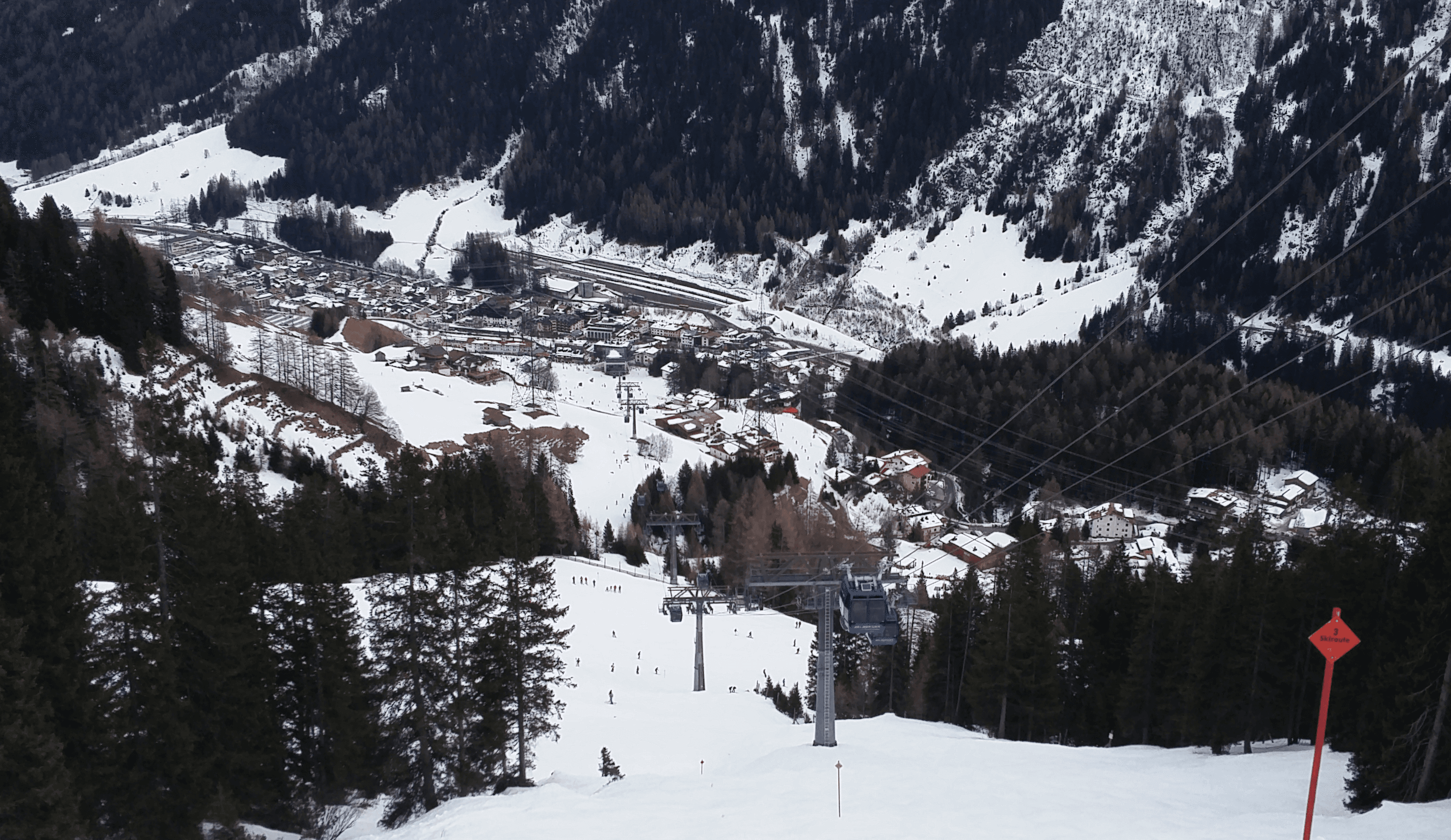
St. Anton has the highest snow reliability of any Austrian resort and some of the most demanding groomed terrain in the Alps. The Valluga ridge (2,811m) offers on-piste black runs that are genuinely steep, and the Freeride Park and off-piste zones below the main lifts are extensive.
The Arlberg ski area — linking St. Anton with Lech and Zürs — covers 305km of marked pistes. More importantly, the Arlberg has the most extensive network of marked freeride routes in Austria, allowing off-piste skiing without needing a guide for every descent.
St. Anton's snow record is consistently better than Kitzbühel or Mayrhofen, and the altitude keeps conditions colder and drier. For expert skiers who want sustained challenging groomed terrain as well as off-piste, St. Anton is Austria's answer to Verbier.
Compare: St. Anton vs. Lech | St. Anton vs. Verbier
Lech am Arlberg, Austria — Best for Guided Freeride
Lech is St. Anton's quieter, more expensive neighbor and is worth including for a specific reason: the Weißer Ring (White Ring) ski circuit and the unguided off-piste routes that extend into the Arlberg backcountry. Lech also limits daily visitor numbers, meaning the slopes are notably less crowded than St. Anton on peak days — important when you're looking for untracked powder.
The resort's guided freeride programs are among the best-organized in Austria, and the instruction quality tends to be high. If you're transitioning from advanced on-piste skiing to off-piste, Lech's structure and lower crowds make it an excellent place to do it safely.
Zermatt, Switzerland — Best High-Altitude Expert Terrain
Zermatt combines the highest lift-served terrain in the Alps with year-round skiing and some of the most dramatic scenery on earth. The Matterhorn provides the backdrop; the Theodul Glacier (3,883m) provides the altitude.
The terrain under the Matterhorn Glacier Paradise is genuinely demanding, and the connection to Cervinia (Italy) via the glacier adds scope. On the groomed side, Zermatt has sustained black runs on the Rothorn area that challenge expert skiers without requiring off-piste conditions.
Zermatt is expensive. A week here costs more than almost anywhere else in the Alps. But the altitude means reliable snow well into April when lower resorts are closing, and the skiing quality consistently justifies the premium.
Compare: Zermatt vs. Verbier
North American Expert Terrain
For US skiers who want to stay closer to home, the comparison to Europe is stark: the best North American terrain is excellent, but it's confined to a few western ranges.
Jackson Hole, Wyoming is the US benchmark for expert terrain, with more than 50% of the mountain classified as expert/extreme. The Corbets Couloir is the most famous expert entry in North America. The annual snowfall (10–12 meters) is competitive, if not quite matching Japanese standards.
Telluride, Colorado has some of the most dramatic terrain in the US, with extreme chutes above the ski area boundary accessible via gates. The town is genuinely beautiful and the resort has improved its lift infrastructure significantly.
Revelstoke, British Columbia offers the highest vertical drop in North America (1,713m) and a developing resort that hasn't yet been overwhelmed by crowds. For those who want serious skiing without the Jackson Hole crowds and prices, Revelstoke is the best-kept secret in North America.
Japan's Expert Skiing
Advanced skiers who dismiss Japan as a beginner/intermediate destination are making an error. The deep, cold powder that Hokkaido and Honshu receive creates off-piste conditions that European and North American mountains rarely match.
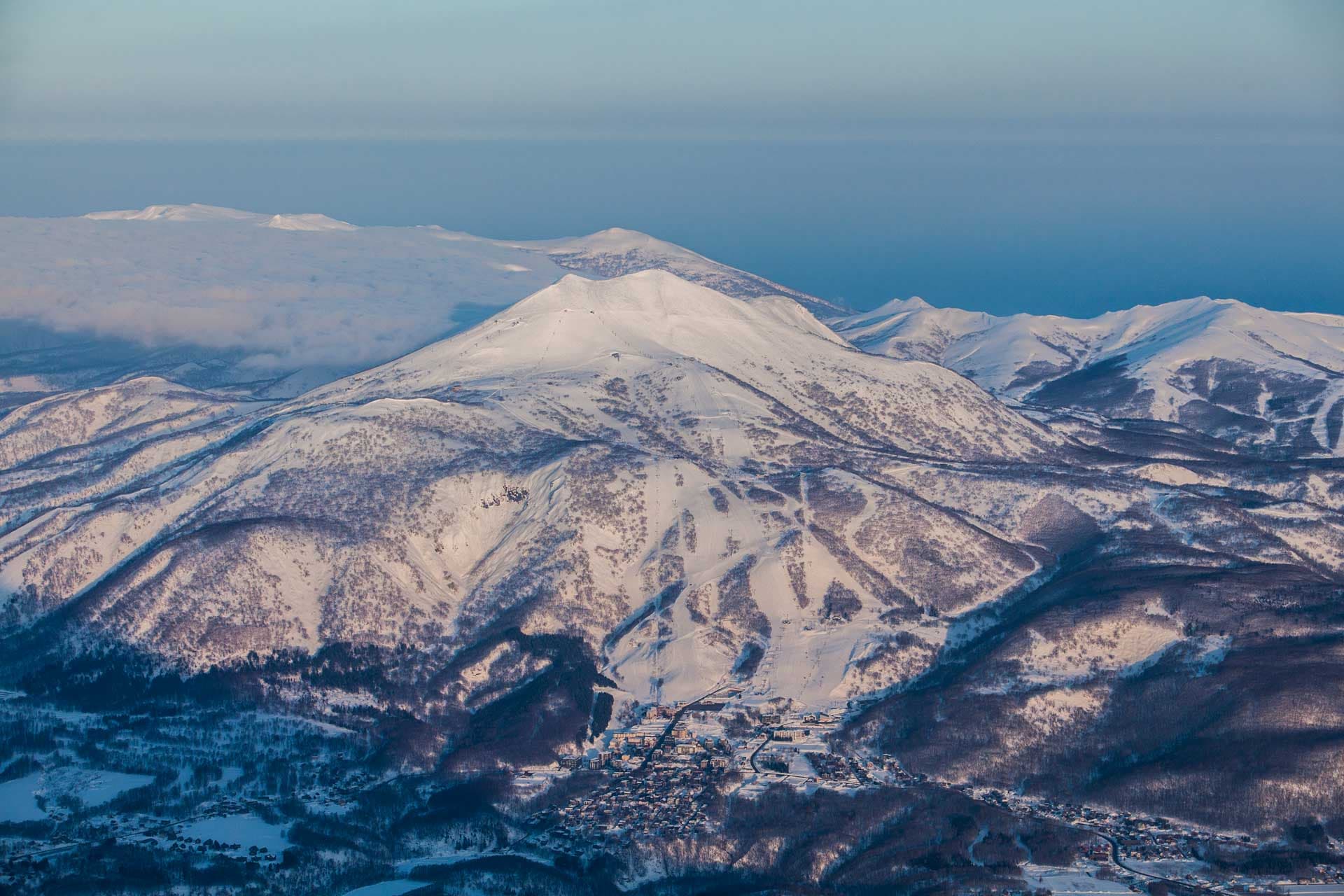
Niseko's open-gate policy allows access to off-piste terrain across the resort's four interconnected areas. The challenge isn't the pitch — Niseko's mountains are relatively modest — it's the snow depth. Skiing powder that's hip-deep requires technique adjustments that many groomed-run skiers find genuinely challenging.
Hakuba's Happo-One has the best expert groomed terrain in Japan, with sustained black runs on the upper mountain and a well-developed backcountry skiing culture.
For advanced skiers, Japan works best as a powder-focused trip rather than a technical terrain trip. If you want steep couloirs and sustained vertical, the Alps remain the reference.
What Advanced Skiers Should Prioritize When Choosing a Resort
Off-piste access and safety infrastructure. Marked freeride routes, avalanche information, guide availability, and rescue services vary significantly between resorts. Verbier and St. Anton have the best infrastructure; smaller resorts may have the terrain but not the safety support.
Snow depth at the dates you can travel. January powder days exist everywhere; consistent deep snow is rarer. Check historical snow depth data, not just annual totals.
Vertical drop and continuous pitch. The difference between 800m and 1,800m of vertical is the difference between interesting skiing and epic skiing. Chamonix, Zermatt, and Verbier lead in Europe for sustained vertical on expert terrain.
Guide availability. For any serious off-piste ambition, the quality and availability of mountain guides is a practical constraint. In Chamonix, guides are abundant and deeply experienced; in smaller resorts, good guides book out weeks in advance.
The resorts that consistently appear at the top of expert skier lists — Chamonix, Verbier, St. Anton, Zermatt — are there for reasons that hold up under scrutiny. Plan your first trip to the one whose terrain style matches what you want to develop.
Where to stay in St. Anton am Arlberg
Browse hotels and accommodation near St. Anton am Arlberg.
Find hotels on Expedia →Sponsored — we earn a small commission when you book through Expedia. It doesn't cost you more.
 Resort
St. Anton am Arlberg
Austria
 Resort
Chamonix
France
ArticleBest Ski Resorts for Advanced Skiers and Off-Piste
The best European resorts for advanced skiers and off-piste riding are Chamonix, St. Anton, Verbier, and Tignes/Val d'Isere, each offering serious freeride terrain, steep couloirs, and backcountry access that goes far beyond anything available in North America.
More Guides