
Japan skiingpowder skiingbeginner guideJapowNisekoHakubaNozawa Onsenonsen etiquette
A Beginner's Guide to Japan Powder Skiing
The Mountain Marker Team11 min read
Hokkaido's snowfall totals outpace nearly every ski destination on the planet
Japan is unlike any other ski destination you have been to. The snow is lighter and drier than anything in Colorado or the Alps. The food at the base lodge — ramen, katsu curry, fresh udon — is better than most sit-down restaurants at North American resorts. The culture surrounding a ski day, from morning routines to post-skiing hot spring baths, follows a rhythm that feels completely foreign and immediately addictive. And the logistics of getting there, navigating a non-English-speaking country, and adapting to a different style of skiing are more involved than booking a week in Whistler.
This guide is not a resort-by-resort breakdown. We have a complete Japan powder resort guide for that. This is about the experience of going to Japan to ski for the first time — what surprises you, what trips you up, and what you wish someone had told you before you booked.
What Makes Japan Powder Different
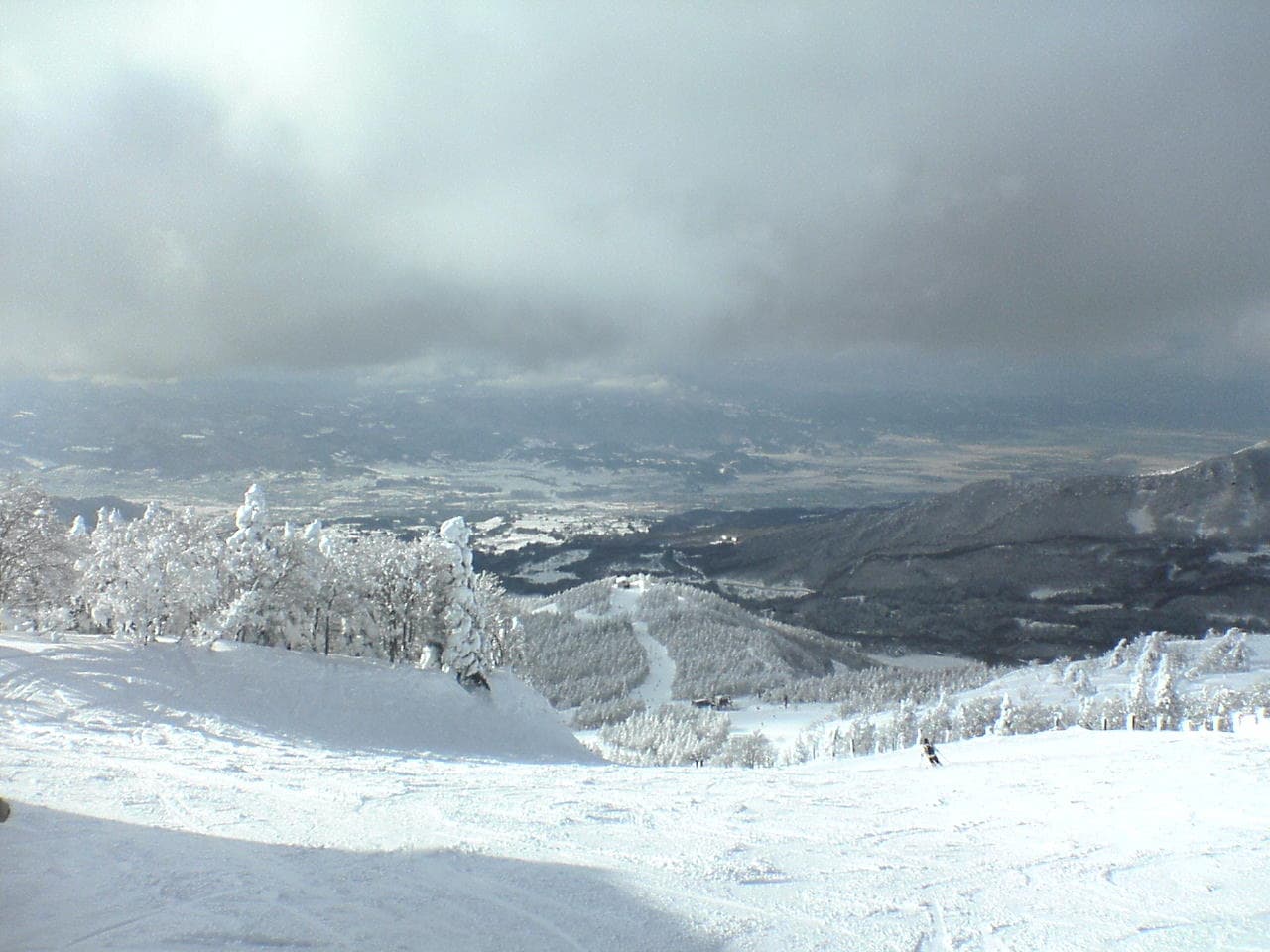
You have probably heard the word "Japow" thrown around. It describes a specific type of snow that results from cold Siberian air crossing the Sea of Japan, picking up moisture, and depositing it on the mountain ranges of Hokkaido and Honshu. The snow that falls has a remarkably low moisture content — roughly 3–5%, compared to 6–8% in Utah (already considered dry by US standards) and 10–15% in the Pacific Northwest. The practical effect is that you sink into it rather than plow through it.
If you have only ever skied groomed runs, Japan powder is a genuinely different sport. On a packed corduroy trail, you carve edges and use your downhill ski to control speed. In deep powder, you float. Your weight shifts back. Your stance widens. You use both skis equally, bouncing through the snow rather than cutting into it. The sensation is closer to surfing than to the mechanical turn-and-check rhythm of resort skiing.
This is not something you should try to figure out on your own. Book a powder lesson for your first morning — every major Japanese resort offers them, often with English-speaking instructors. And rent powder-specific skis locally. You want something at least 100mm underfoot, ideally wider. Your regular all-mountain skis from home will submarine in 16 inches of fresh Japow. Every rental shop near a major resort carries fat powder boards and skis because they know what visitors need.
What's Different About Japanese Ski Resorts
The first thing that strikes most Americans is the scale. Japanese resorts are smaller than what you might be used to in the Alps or even the Rockies. Vertical drops of 2,500–3,500 feet (760–1,070m) are typical, and the total skiable acreage is modest compared to mega-resorts like Vail or the Trois Vallees. But the terrain is denser and the snow makes every run feel different than it did the day before. A run you skied yesterday in ankle-deep powder might have chest-deep stashes along its edges today.
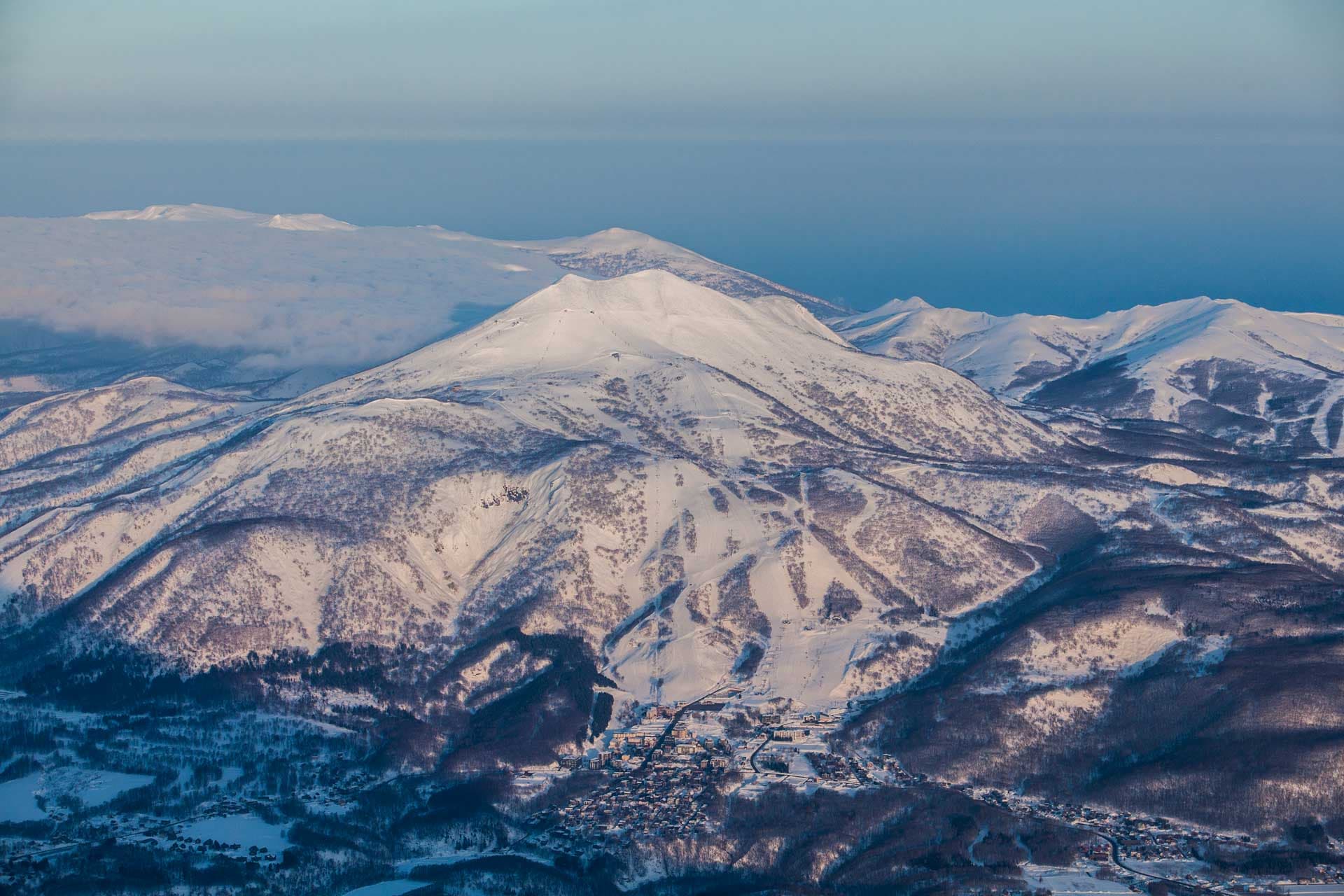
The open gate system at Niseko United deserves special mention. Marked gates along the resort boundary allow you to leave groomed terrain and ski into off-piste areas without hiring a guide. You are expected to carry avalanche safety equipment (beacon, probe, shovel), and hiring a guide is strongly recommended if you are new to backcountry terrain. This system is unusual globally — most European resorts allow off-piste access anywhere, while most US resorts prohibit it outside designated areas. Niseko sits in the middle, and other Japanese resorts have their own policies, so check before you duck a rope.
After skiing, the ritual is the onsen — a communal hot spring bath. Nearly every ski village in Japan has at least one public onsen, and many hotels and ryokan (traditional inns) have private baths. The etiquette matters: you wash thoroughly at the shower stations before entering the bath, swimsuits are not worn, and you keep your small towel out of the water. Historically, many onsen banned guests with tattoos. This is still the case at some traditional establishments, but an increasing number of onsen near ski resorts — particularly in Niseko and Hakuba — now welcome tattooed visitors or offer private baths as an alternative. Ask at your accommodation or check the door signage before you strip down.
Two more things that will reframe your expectations. First, the mountain food is extraordinary. Base lodge cafeterias serve proper ramen, tonkatsu, curry rice, and fresh soba at prices that make a $22 hamburger at a US resort feel criminal. Budget $8–12 for a hot, filling lunch. Second, the lift line culture is different. Japanese skiers queue in orderly, single-file lines. Nobody cuts, nobody jostles, nobody skis over your tails while merging. It is disarmingly civilized, and you will notice it immediately.
Getting There from the US
Japan is closer than most Americans assume. From the West Coast, a direct flight to Tokyo Narita or Haneda (NRT/HND) runs 11–12 hours. To Sapporo New Chitose Airport (CTS) on Hokkaido, direct flights from Seattle, San Francisco, and Los Angeles take 9–10 hours during the winter season. From the East Coast, you will connect through Tokyo, Seoul, or another Pacific hub, adding 3–5 hours to the total journey.
Once you land, the onward logistics depend on your destination. For Hokkaido resorts like Niseko or Furano, fly into Sapporo. A direct resort bus from New Chitose Airport to Niseko takes about 2.5 hours and runs multiple times daily. For Honshu resorts like Hakuba Valley or Nozawa Onsen, fly into Tokyo and take the bullet train (shinkansen) to Nagano — roughly 90 minutes — then a local bus to the resort, adding another 60–90 minutes.
If you are planning to combine skiing with sightseeing in Tokyo, Kyoto, or Osaka, look into the Japan Rail Pass. The JR Pass covers bullet train travel across the country and can save significant money on a multi-city trip. A 14-day pass costs roughly $400 and pays for itself if you are making two or more long-distance train journeys. Renting a car is possible and gives you flexibility between resorts, but it is not necessary for most first trips. Note that Japan drives on the left side of the road, winter conditions can be challenging, and many rental companies require an International Driving Permit.
Language and Communication
Your experience will vary dramatically by resort. Niseko is the most English-friendly ski destination in Japan by a wide margin, thanks to decades of Australian tourism. Menus, signs, rental shops, and ski school are all available in English. You can get through an entire Niseko trip without speaking a word of Japanese.
Hakuba has moderate English availability — more than most Japanese resorts but less than Niseko. Signs and menus at the main resorts have English translations, and the younger staff at rental shops and restaurants often speak conversational English.
Beyond those two, expect limited English. At resorts like Furano, Nozawa Onsen, and Madarao, Google Translate's camera mode becomes essential — point your phone at a menu or sign and get an instant, reasonably accurate translation. Download the Japanese language pack before you leave home so it works offline.
A few phrases go a long way: sumimasen (excuse me / I'm sorry), arigatou gozaimasu (thank you — the full version, not the casual shortening), and ikura desu ka (how much is this?). Japanese people appreciate any effort to speak the language, even if your pronunciation is rough. Rent a pocket WiFi device at the airport — they run about $5–8 per day and give you reliable mobile data everywhere, which matters when you are navigating bus schedules and restaurant reviews in a language you cannot read.
What to Pack and What to Rent
Rent your powder skis or snowboard locally. Unless you own dedicated fat skis (100mm+ underfoot) and want to haul a ski bag across the Pacific, the rental shops near every major resort carry high-quality powder-specific equipment. Bringing your own boots makes sense if you have a custom-fitted pair, but everything else can be rented on arrival.
One pleasant surprise: Japan uses Type A electrical plugs — the same two-prong outlets you have at home. No adapter needed, one less thing to pack.
Pick up an IC card (Suica or Pasmo) at the airport when you land. These rechargeable transit cards work on trains, buses, and at convenience stores, vending machines, and many restaurants. They eliminate the need to buy individual tickets or fumble with cash at ticket machines with Japanese-only interfaces.
For clothing, layer aggressively. Japanese ski resorts are cold — temperatures of 10–15 degrees Fahrenheit (-10 to -15 Celsius) are common in January — but the humidity is higher than what you might experience at the same temperature in Colorado. A waterproof shell is non-negotiable. Breathable mid-layers and moisture-wicking base layers round out the system. Pack a neck gaiter or balaclava for storm days when visibility drops and the powder is blowing sideways.
Budget and Money
Japan is a mid-range ski destination. It is substantially cheaper than Switzerland, roughly comparable to France, and more expensive than Eastern European alternatives like Bulgaria or Andorra. Here is a rough daily budget framework for a US visitor:
Lift passes run approximately $50–60 per day, depending on the resort. Multi-day passes offer modest discounts. Compared to $200+ day passes at major US resorts, this is a genuine bargain.
Accommodation spans a wide range. Hostels and basic guesthouses start around $50–80 per night. Mid-range hotels and pensions run $120–200. A night in a traditional ryokan with meals included — an experience worth having at least once — costs $200–350 per person.
Food is where Japan delivers extraordinary value. A bowl of proper ramen costs $8–12. A lunch set at a mountain restaurant runs $10–15. Convenience stores (konbini) — particularly 7-Eleven, Lawson, and FamilyMart — sell surprisingly excellent prepared meals, onigiri, and bento boxes for $3–8. Do not overlook them. Japanese convenience store food is in a completely different category than what you are used to at home.
Cash still matters. While credit cards are accepted at most hotels, ski resorts, and larger restaurants, many smaller establishments, rural bus services, and some onsen are cash-only. 7-Eleven ATMs reliably accept foreign debit and credit cards — seek them out when you need yen.
Best Resort for a First Visit
If this is your first time skiing in Japan, three resorts stand out, each for a different reason.
Niseko United is the safest choice for a first visit. The English-language infrastructure removes almost all friction. The snow is as good as anything in Japan. The village has a real après-ski scene with bars, restaurants, and shops. The open gate system gives you structured access to off-piste terrain. If your priority is experiencing Japow with the least amount of logistical stress, Niseko is the answer.
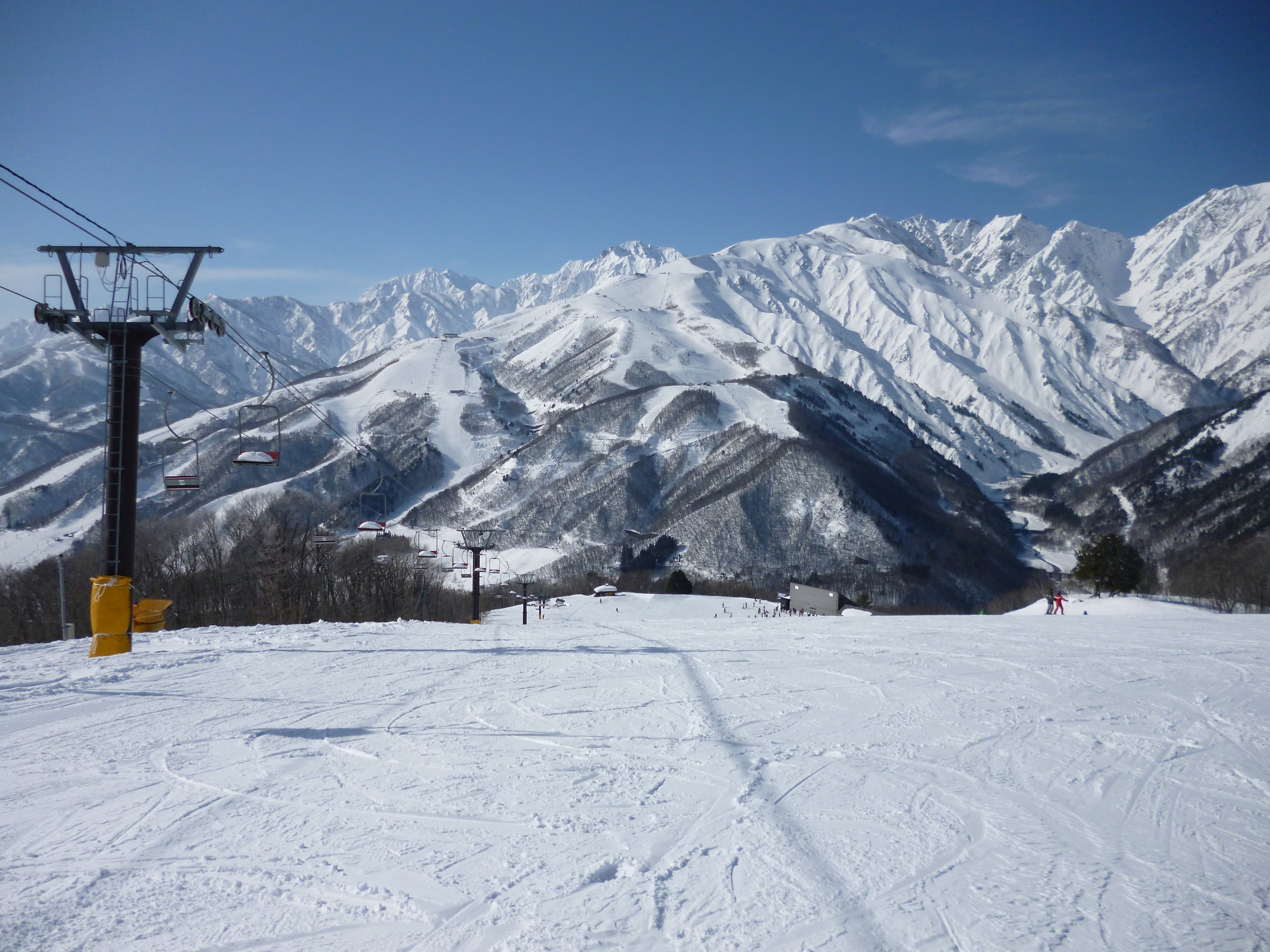
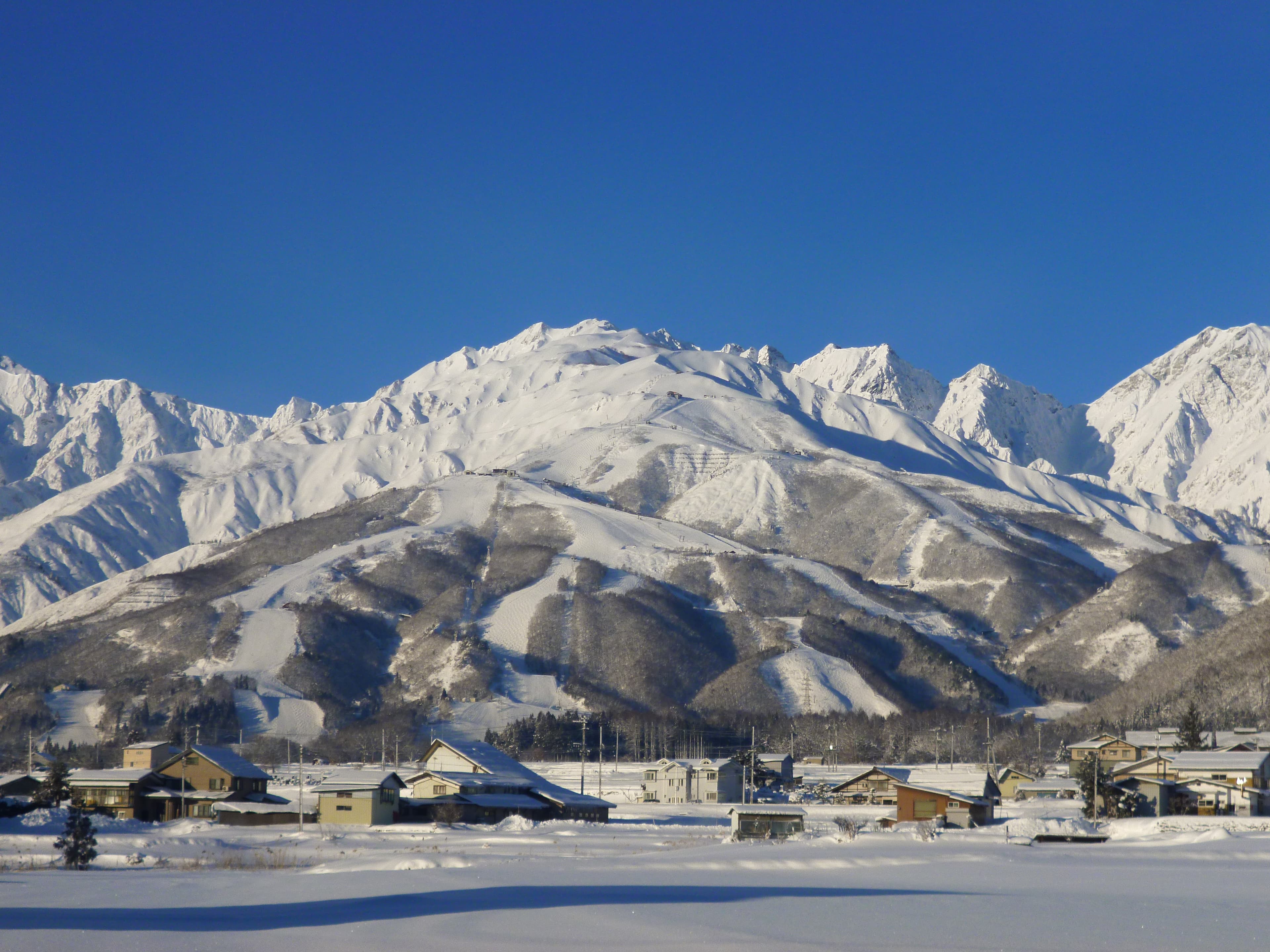
Hakuba Valley is the pick if you want more terrain and easier access from Tokyo. Ten resorts in one valley give you variety, the vertical at Happo-One is the biggest in the region, and the proximity to Tokyo (3.5 hours by train and bus) makes it practical to combine skiing with city exploration. English is less prevalent than Niseko but sufficient for navigation.
Nozawa Onsen is the cultural experience. It is a genuine hot spring village that happens to have a ski resort, not the other way around. The narrow streets, public onsen scattered through town, and traditional ryokan give you a window into rural Japan that the more internationalized resorts cannot match. The skiing is solid — 50 runs spread across 740 acres — and the snow is deep. English is limited, which is part of the charm.
For a deeper comparison, read our Niseko vs Hakuba breakdown or browse the complete Japan powder resort guide.
Further Reading
- Best Powder Skiing in Japan: The Complete Guide — Resort-by-resort coverage of Niseko, Hakuba, Furano, and more.
- Niseko vs Hakuba: Which Is Right for You? — A direct comparison on terrain, snow, cost, and culture.
- When to Ski Japan: A Month-by-Month Guide — Timing your trip for the best conditions.
- Beyond Niseko: Hidden Gems of Japanese Skiing — Lesser-known resorts worth the extra effort.
ResortNiseko United
Japan
 Resort
Hakuba Valley
Japan
 Resort
Nozawa Onsen
Japan
ArticleBest Powder Skiing in Japan: The Complete Guide for US Skiers
Japan's Hokkaido and Honshu ski resorts get more snow than anywhere else on earth. Here's exactly where to go, when to go, and what to expect when you chase Japow for the first time.
ArticleNiseko vs Hakuba: Which Japan Powder Destination Is Right for You?
Niseko and Hakuba both deliver legendary Japanese powder, but they're very different trips. Here's a direct comparison on terrain, snow, cost, access, and culture to help you choose.
More Guides