
Japan skiingpowder skiingNisekoHakubaJapowoff-piste
Best Powder Skiing in Japan: The Complete Guide for US Skiers
The Mountain Marker Team5 min read
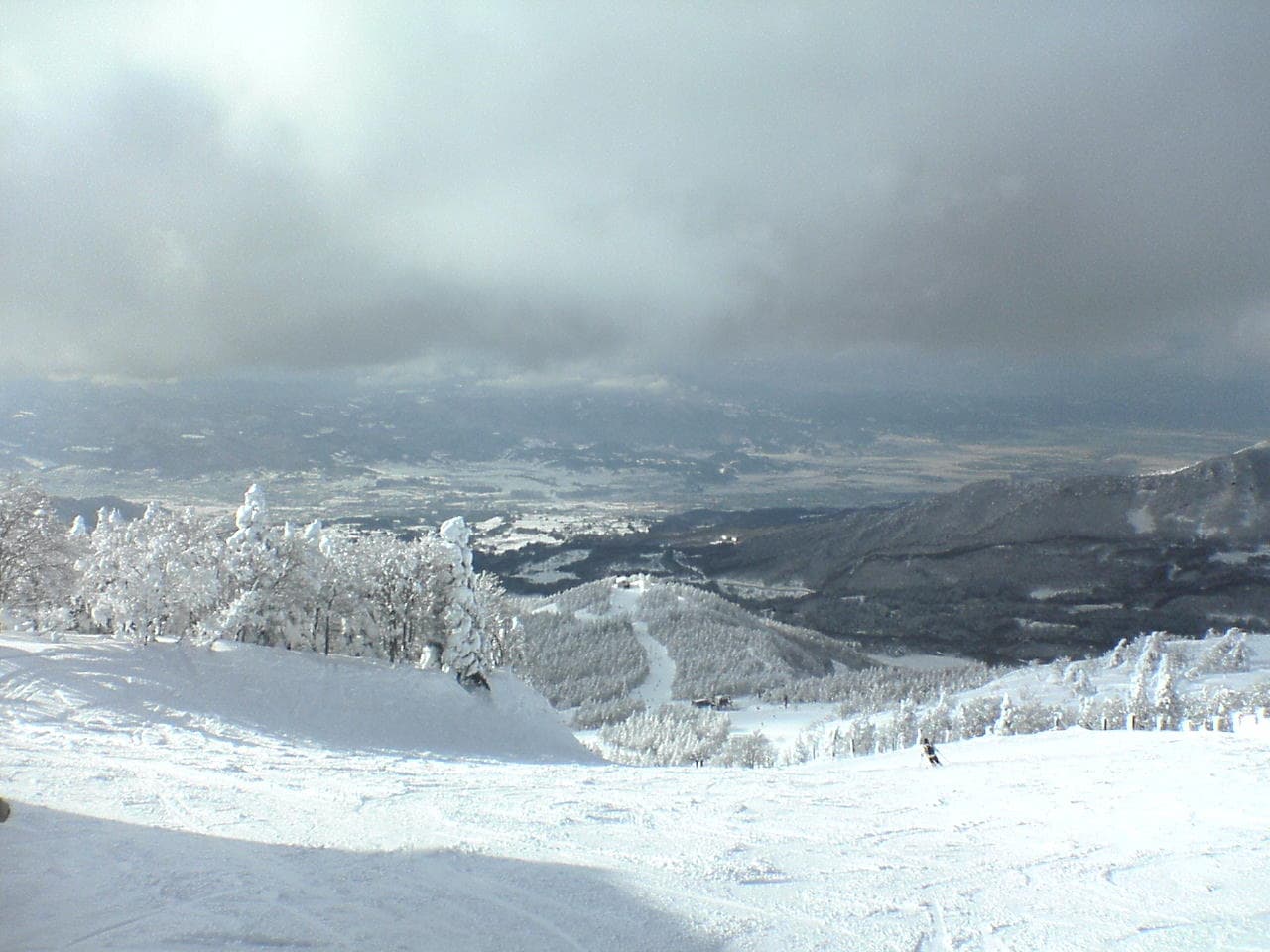
Hokkaido — among the snowiest resorts on earth
There's a phrase that's become shorthand in ski culture: Japow. Japan powder. The kind of snow that buries ski poles to the grip, muffles sound, and makes even intermediate skiers feel like pros. Hokkaido's position in the Sea of Japan — catching cold Siberian air as it picks up moisture — produces snowfall totals that European and North American resorts simply cannot match.
If you've skied enough to comfortably tackle blue runs in Europe or the US, Japan is worth planning seriously. This guide covers everything you need to know.
Why Japan Gets So Much Snow
The Sea of Japan Effect is the meteorological phenomenon that makes Japanese skiing so exceptional. Cold, dry air from Siberia crosses the relatively warm Sea of Japan, picking up enormous amounts of moisture before hitting the mountain ranges of Hokkaido and Honshu. The result: sustained, cold, dry powder that accumulates at rates of 30–40cm per day during peak season.
Compare this to the Alps, where snowfall is weather-system dependent and rain-at-altitude can ruin a week's skiing. Japan's powder season runs reliably from late December through February, with the best weeks typically falling in January.
Niseko, Hokkaido — The Benchmark
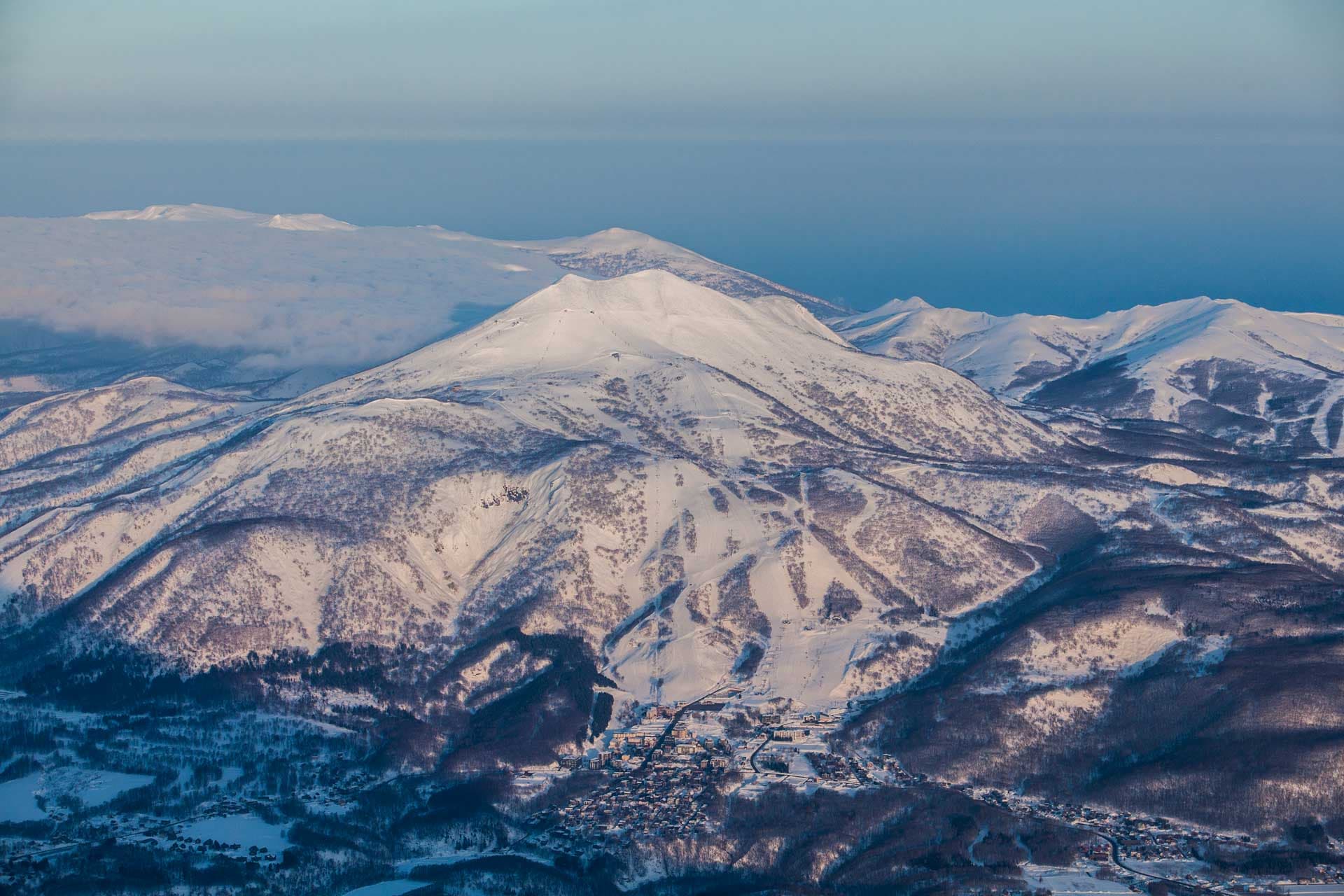
Niseko is Japan's most internationally famous ski destination for good reason. Four interconnected resorts — Grand Hirafu, Hanazono, Niseko Village, and Annupuri — share a single lift pass and sit on the flanks of Mt. Youtei, an extinct volcano with a near-perfect cone.
What makes Niseko exceptional for powder:
- Average annual snowfall: 15+ meters (nearly 50 feet)
- Cold, dry snow with a consistently low moisture content
- Open gates policy that allows access to off-piste terrain between marked courses
- Night skiing on the lower mountain, allowing you to catch fresh powder after resort closing
The honest picture: Niseko has been discovered. Grand Hirafu now has Australian, Chinese, and American visitors in significant numbers, and the resort — particularly the village — has priced accordingly. Expect European prices for accommodation and food, with Japanese yen not offering the value advantage it once did.
Getting there from the US: Fly into Sapporo's New Chitose Airport (CTS). Direct flights from the West Coast (Seattle, San Francisco, LA) take 9–10 hours. From the East Coast, expect a connection in Tokyo or Seoul. The bus transfer from Sapporo to Niseko takes approximately 2.5 hours; there is also a train service.
Best for: First-time Japan skiers who want the full Japow experience with English-friendly infrastructure and a lively après scene.
Furano, Hokkaido — Best for Uncrowded Powder
Two hours east of Niseko by car, Furano is Hokkaido's best-kept secret for serious powder skiers. The town is better known internationally for its summer lavender fields than its skiing, which works in your favor in winter — lift queues at Furano are a fraction of Niseko's, and accommodation is genuinely affordable.
The mountain is smaller than Niseko (it tops out around 1,200m) but the snow quality is arguably better. Furano sits further inland, catching the driest air of any Hokkaido resort. The annual snowfall of 8–9 meters is lower than Niseko's, but the powder texture compensates.
Best for: Intermediate to advanced skiers who want quality snow without the crowds. Works well as a second stop after a few days in Niseko.
Getting there: Fly into Sapporo (CTS), then either drive (2 hrs) or take the train to Furano Station (2.5 hrs).
Hakuba Valley, Nagano — Best for Combining Powder with Culture
Elevation703m – 2696m
AirportToyama (TOY) (130 min transfer)
Best forFamilies, Advanced skiers, Budget-conscious
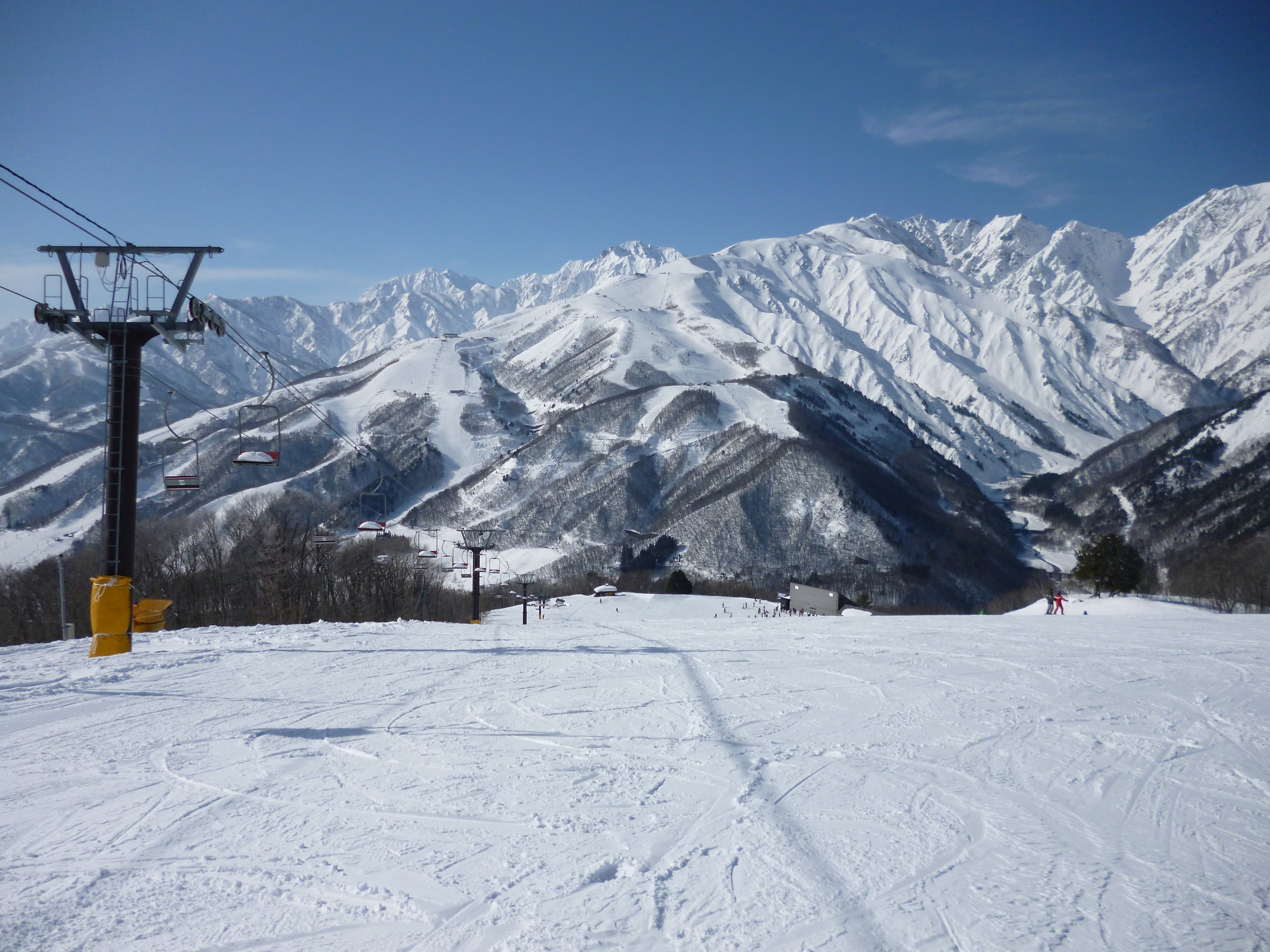
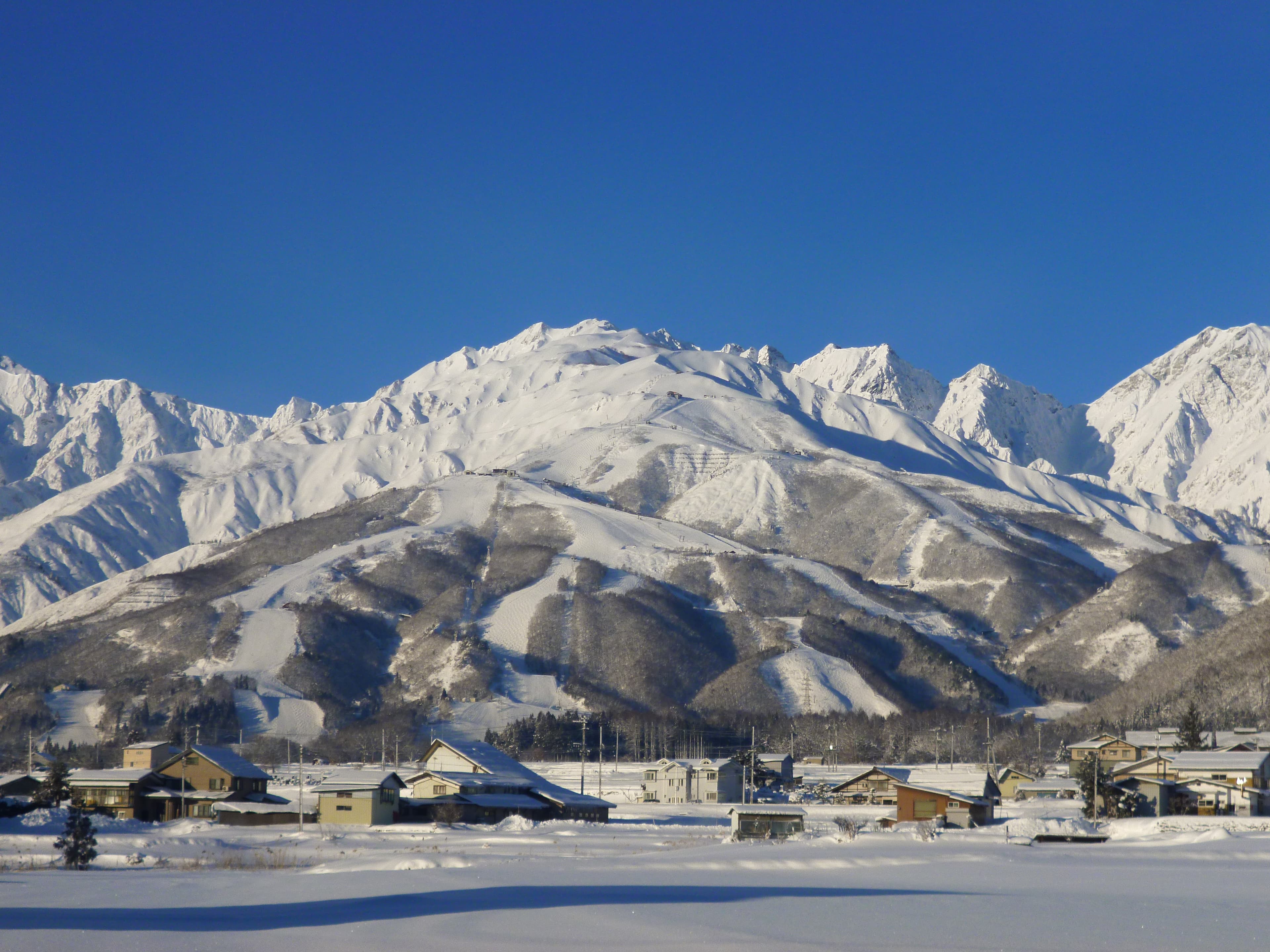
Hakuba sits in the Japanese Alps on Honshu, the main island, making it more accessible from Tokyo (3 hrs by shinkansen + bus) than Hokkaido destinations. The 1998 Winter Olympics were held here, and the valley now encompasses ten separate ski areas accessible on a single Hakuba Valley lift pass.
Happo-One is the flagship resort and the one worth prioritizing: it has the highest altitude (1,831m at the peak), the most reliable snow, and the best expert terrain in the valley. Cortina, a smaller resort at the valley's northern end, is known for particularly deep snow and a dedicated powder-skiing clientele.
Snowfall vs. Niseko: Hakuba gets less snowfall than Niseko — typically 8–12 meters per season — but the snow still significantly outperforms European and most North American destinations. The season also tends to run longer, into late March or early April.
Why choose Hakuba over Niseko:
- Direct access from Tokyo makes it easy to combine with city travel
- Stronger Japanese cultural experience — the valley feels less internationally touristy
- Lower prices, particularly for food and accommodation
- Better for experienced skiers who want challenging, less crowded terrain
Best for: Skiers combining a Japan ski trip with time in Tokyo, or those on a second Japan trip looking for something beyond Niseko.
What to Know Before You Go
English proficiency varies. Niseko has strong English infrastructure. Furano and smaller resorts are more Japanese-language dominant. Download a translation app and pre-book ski school (if needed) with an English-speaking instructor.
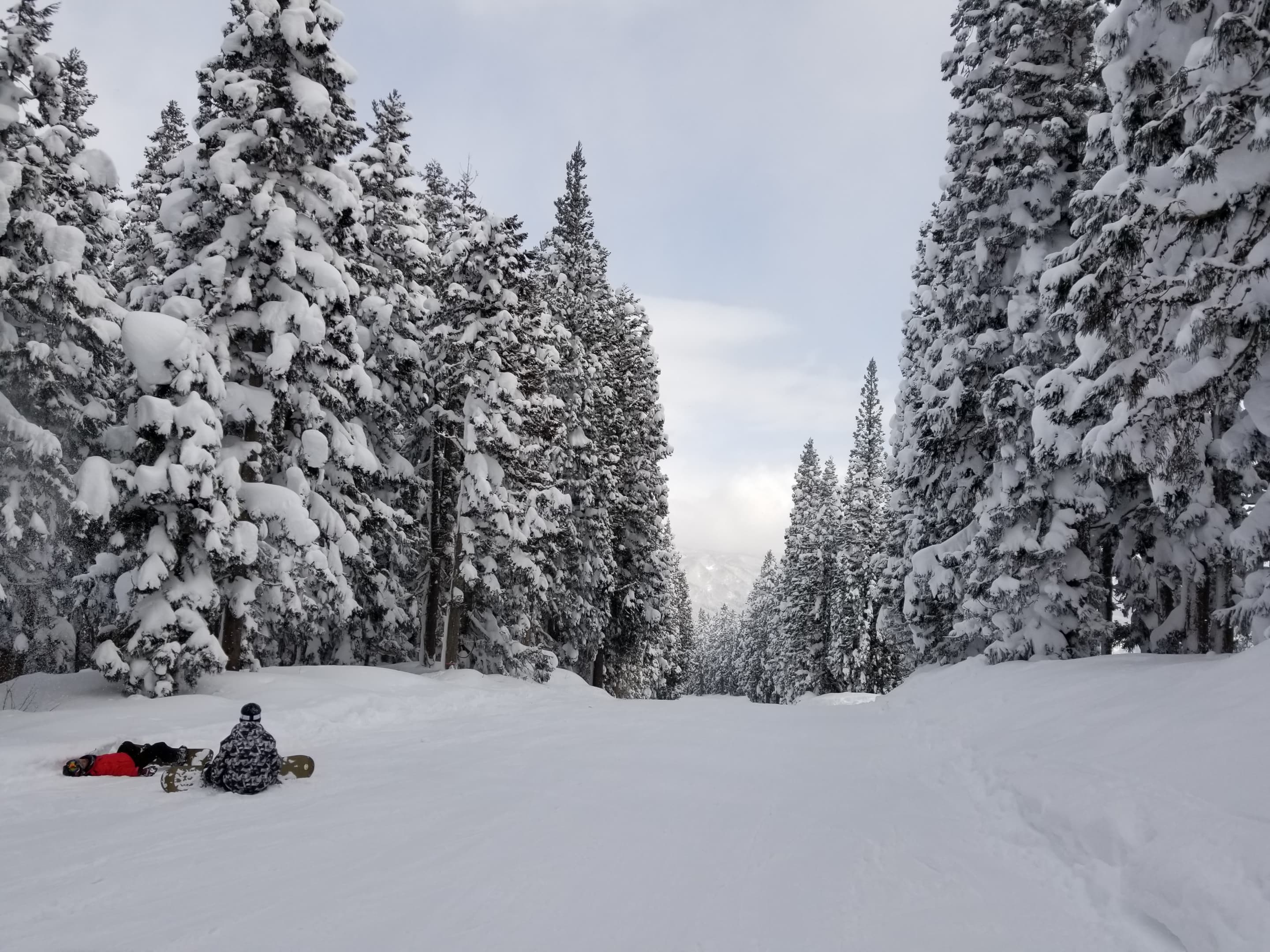
Snow reporting. Niseko and Hakuba both have English-language snow reports and webcams. Check them daily — powder days move fast and the best runs get tracked out within hours of resort opening.
Off-piste safety. Japan's open-gate policy at resorts like Niseko allows access to ungroomed terrain, but avalanche risk is real. Carry a beacon, probe, and shovel, and ski with a guide if you're unfamiliar with the terrain.
Food and onsen. Japanese ski resort food is dramatically better than anywhere in Europe or North America. Budget for ramen, soba, and izakaya dinners. After skiing, an onsen (hot spring bath) is the standard recovery method — most areas have both public onsen and private baths in accommodation.
How Japan Compares to European Powder Destinations
Japan powder days beat anything Europe consistently offers. The Alps' best powder resorts — Chamonix, Verbier, St. Anton — can deliver extraordinary off-piste conditions, but only for a handful of days per season, and those days are unpredictable.
Japan's powder is structural, not opportunistic. Book a two-week trip in January and you'll almost certainly ski powder on most days.
Compare the European powder options: Chamonix vs. Verbier or St. Anton vs. Chamonix
Planning Your Japan Powder Trip
When to go: Mid-January to mid-February for peak powder. Late December and March offer more affordable flights and accommodation.
Trip length: Ten to fourteen days is the sweet spot. Factor in jet lag (3–4 days to adjust from the US East Coast) and a travel day on each end.
Budget: Expect to spend $4,000–$7,000 per person for a 10-day trip including flights, accommodation, lift passes, and food. Niseko skews higher; Furano and Hakuba offer more value.
Ski ability: Japan's open terrain and deep snow rewards intermediate-to-advanced ability. Complete beginners will find the experience more challenging than a structured European resort. If you're still learning, consider starting with a European resort like Les Arcs first.
Where to stay in Hakuba Valley
Browse hotels and accommodation near Hakuba Valley.
Find hotels on Expedia →Sponsored — we earn a small commission when you book through Expedia. It doesn't cost you more.
Japan's powder skiing isn't the cheapest bucket-list ski trip, but for any skier serious about snow quality, it's the most reliable way to experience powder skiing at its best.
 Resort
Hakuba Valley
Japan
 Article
Japan vs Alps: Which Should You Choose for Your Ski Trip?
Japan offers unmatched powder snow and a culturally immersive experience, while the Alps deliver massive interconnected terrain, centuries of ski infrastructure, and the widest range of resort styles in the world. Here is how to choose.
 Article
Best Ski Resorts with the Most Reliable Snow
Snow reliability separates a great ski holiday from an expensive walk in brown grass. These European resorts score highest for consistent coverage, thanks to altitude, glaciers, and geography.
More Guides