
NisekoHakubaJapan skiingpowder skiingJapowski trip comparisonHokkaidoNagano
Niseko vs Hakuba: Which Japan Powder Destination Is Right for You?
The Mountain Marker Team10 min read
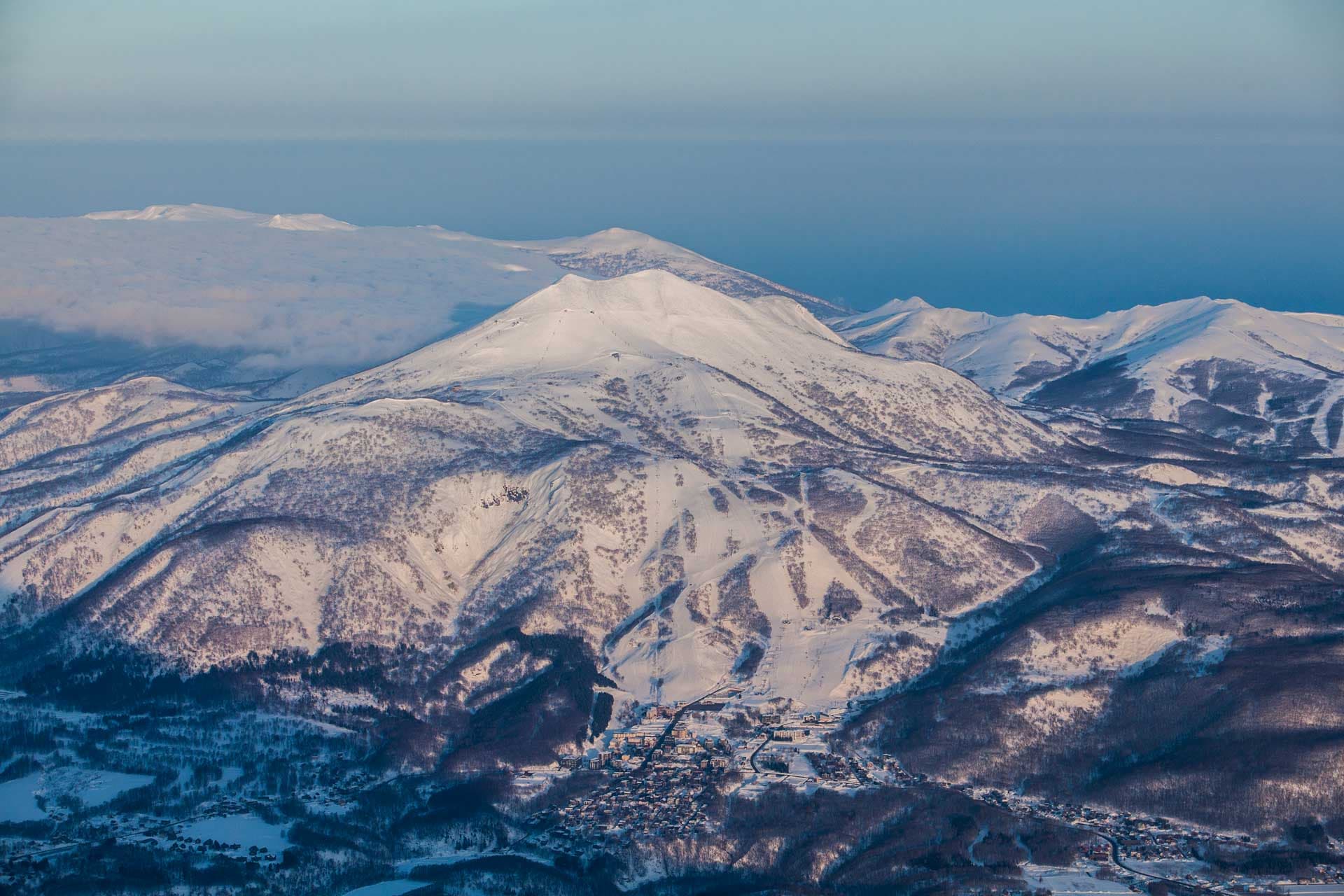
Niseko United on Hokkaido — Japan's most internationally famous powder destination
Japan has two headline ski destinations, and they sit on different islands with different personalities. Niseko United is on Hokkaido, Japan's northernmost main island — the most internationally famous Japanese ski resort, fluent in English, reliably buried in powder, and anchored by a lively village that caters to Western visitors. Hakuba Valley is on Honshu in Nagano Prefecture — host of the 1998 Winter Olympics, home to bigger vertical drops, spread across ten distinct resorts, and closer to something authentically Japanese. Both deliver the dry, deep powder that has made Japan a pilgrimage destination for serious skiers. But the trips they produce are fundamentally different.
This is the comparison that matters if you're planning your first (or second) Japan ski trip.
Terrain and Skiing
Niseko United
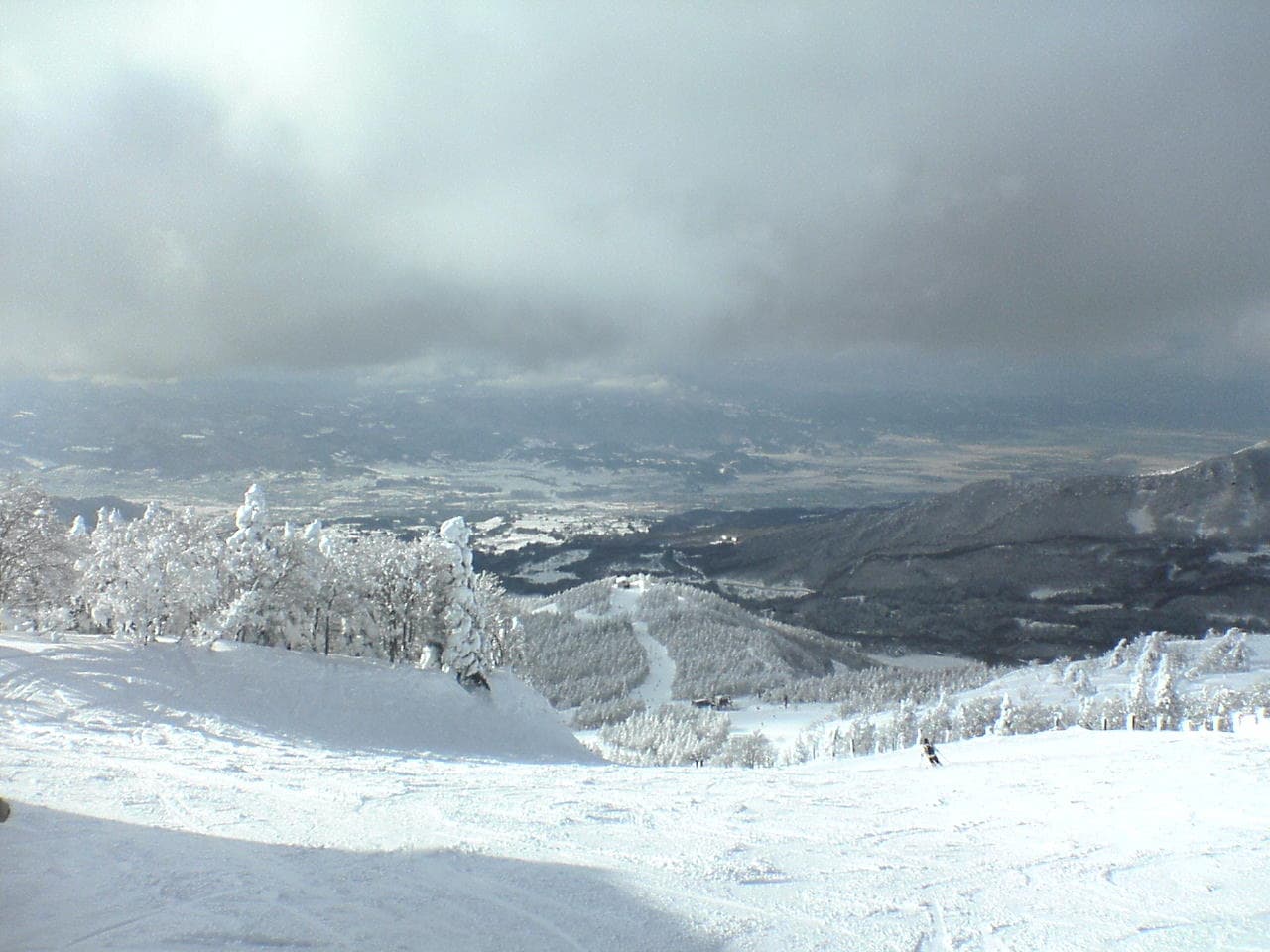
Niseko United comprises four interconnected resorts on the flanks of Mt. Annupuri: Grand Hirafu, Hanazono, Niseko Village, and Annupuri. A single lift pass covers all four. The combined skiable area is approximately 887 hectares with around 70 marked runs, and the maximum elevation reaches 4,291 feet (1,308m). The terrain skews intermediate, with wide groomed runs and extensive tree skiing through birch forests that space themselves almost too perfectly.
What sets Niseko apart is its open gate system for off-piste access. Marked gates along the resort boundary allow you to ski into ungroomed backcountry terrain without hiring a guide (though carrying avalanche safety equipment is mandatory and hiring a guide is strongly recommended). This system is unusual globally and makes Niseko one of the most accessible backcountry-adjacent resorts in the world.
The vertical is modest — roughly 2,625 feet (800m) from the summit to the base of Grand Hirafu. But that number matters less here than at a typical resort because the snow quality transforms even straightforward terrain into something special. Intermediate tree runs through knee-deep powder feel expert-level in the best possible way.
Hakuba Valley
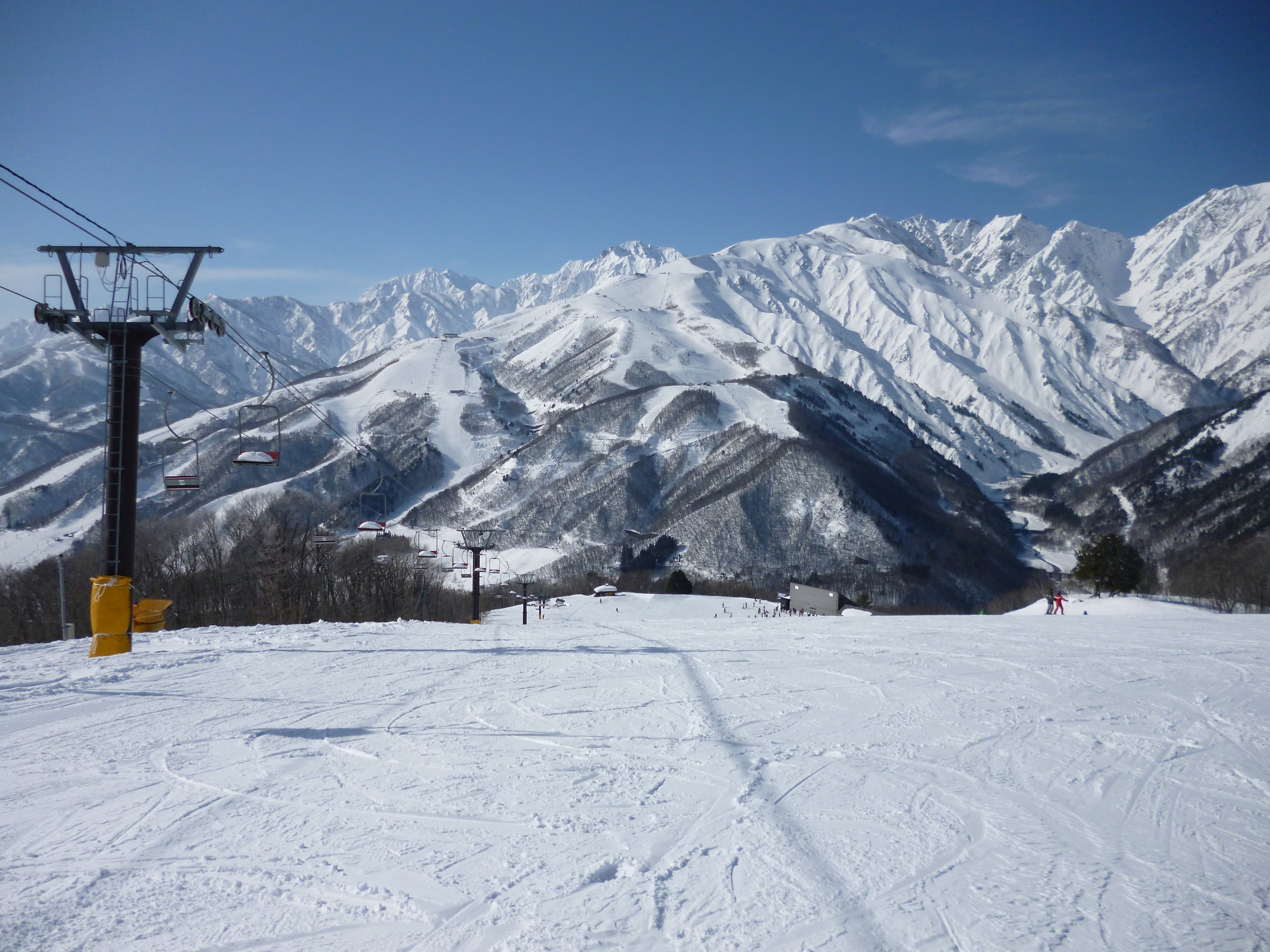
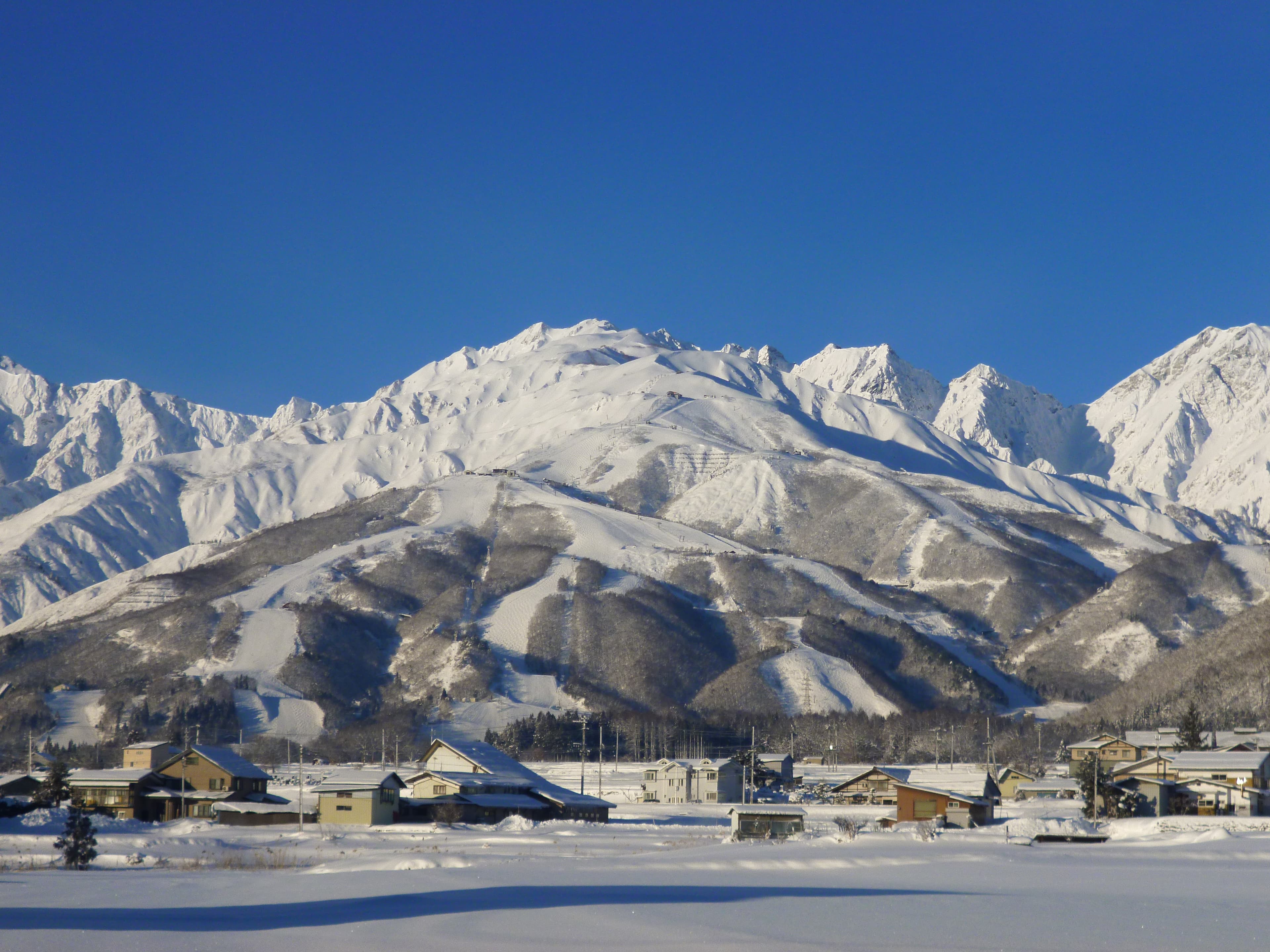
Hakuba Valley is a different scale of operation. Ten resorts share a single valley pass, with the anchor resorts being Happo-One (the 1998 Olympic downhill venue), Goryu/Hakuba47, and Cortina. The combined terrain exceeds 1,000 hectares with more than 200 runs. Happo-One's summit reaches 6,007 feet (1,831m) with a base at 2,493 feet (760m), giving a true vertical drop of 3,514 feet (1,071m) — substantially more than anything Niseko offers.
The terrain diversity is broader too. Happo-One delivers steep, technical runs that tested Olympic racers. Cortina, at the valley's northern end, is renowned for deep powder in its tree zones and attracts a dedicated off-piste clientele. Goryu and Hakuba47 offer wide intermediate cruising. Iwatake has family-friendly slopes with panoramic views of the Northern Alps.
The tradeoff: Hakuba's resorts are not interconnected in the seamless way Niseko's are. You drive or shuttle between areas, which adds logistical friction. On a powder morning, you want to be on the first chair, not on a shuttle bus.
Verdict
Hakuba wins on terrain size and vertical drop. Niseko wins on ease and interconnected skiing. If you want maximum variety and the biggest mountain, Hakuba is the clear choice. If you want a single, cohesive ski experience where you can explore freely without transport logistics, Niseko delivers a more streamlined trip.
Snow and Powder
Niseko
This is Niseko's signature advantage. Average annual snowfall is approximately 49 feet (15m), placing it among the snowiest ski resorts on earth. The Sea of Japan effect drives this: cold Siberian air crosses the relatively warm sea, absorbs moisture, and dumps it on Hokkaido's west-facing slopes in sustained, multi-day storm cycles. The snow is cold, dry, and remarkably light — what the Japanese call "Japow" and what anyone who has skied it calls life-changing.
Peak powder season runs from early January through mid-February. During this window, multi-day storms are the norm rather than the exception. It is not unusual to wake up to 12–16 inches (30–40cm) of fresh snow on consecutive mornings. Niseko's relatively low elevation means the tree skiing stays accessible even in heavy snowfall, and the cold temperatures at this latitude ensure the snow stays dry rather than turning heavy or wet.
Hakuba
Hakuba receives approximately 36 feet (11m) of annual snowfall — still exceptional by any global standard, but measurably less than Niseko. The snow is also slightly less consistent. Hakuba sits further south on Honshu, where base temperatures can run warmer. At lower elevations, particularly at Happo-One's base area, the snow occasionally arrives heavier and wetter than Hokkaido powder. Rain at the valley floor is possible during warm spells, though it is uncommon during January and February.
The best powder in Hakuba concentrates at Cortina and in the upper reaches of Happo-One, where elevation and exposure to northerly weather systems produce snow closer to Niseko's quality. Hakuba's season also tends to run longer, extending into late March and occasionally early April, which gives it an edge for spring trips.
Verdict
Niseko wins on powder consistency. If your primary motivation for skiing Japan is the legendary dry powder, Niseko delivers it more reliably and in greater volume. Hakuba's best days match Niseko's, but those days arrive less frequently and are harder to predict.
Getting There from the US
Niseko
Fly to Sapporo New Chitose Airport (CTS). Direct flights exist from the US West Coast — Seattle, San Francisco, and Los Angeles all offer seasonal nonstop service, with flight times of 9–10 hours. From the East Coast, you will connect through Tokyo, Seoul, or another Pacific hub, adding 3–5 hours of travel.
From New Chitose, the bus transfer to Niseko takes approximately 2.5 hours. There is also a train option via Kutchan station, though most visitors take the direct resort bus. The logistics are simple: one international flight, one bus ride, and you are at the resort.
Hakuba
Fly to Tokyo (Narita or Haneda). Tokyo is a better international hub than Sapporo, with more direct flights from more US cities and generally lower airfares. From Tokyo, the most efficient route is the Hokuriku Shinkansen (bullet train) to Nagano — approximately 80 minutes — followed by a 1-hour local bus to Hakuba Village. Total transit from Tokyo to Hakuba is around 4 hours when connections align well.
The journey is more complex than Niseko's single-bus transfer, but it comes with a significant bonus: Tokyo itself. Many travelers build in 2–3 days in Tokyo before or after skiing, which transforms the logistics from a hassle into a feature.
Verdict
Niseko is simpler to reach. Hakuba offers Tokyo as a bonus. If you want the most direct route from airport to slopes, Niseko wins. If the idea of combining world-class skiing with a few days in one of the planet's great cities appeals to you, Hakuba's more complex journey pays dividends.
Village and Culture
Niseko
Grand Hirafu village has evolved dramatically over the past two decades. Australian developers and investors arrived first, followed by Chinese, Southeast Asian, and American visitors and property buyers. The result is a village that feels more international than Japanese. English is spoken everywhere — at restaurants, rental shops, hotels, and on the mountain. This is enormously convenient for first-time visitors to Japan, but it comes at a cost: Hirafu can feel like a well-appointed resort town that happens to be located in Japan rather than an authentically Japanese experience.
The restaurant scene is strong, with good ramen shops, izakaya, and sushi, but prices have risen to match the international clientele. A bowl of ramen in Hirafu now costs more than double what you would pay in a comparable non-tourist Japanese town. Accommodation in peak season approaches European resort pricing.
That said, the convenience factor is real. If you have never been to Japan before, Niseko removes nearly every friction point: English menus, English-speaking ski school, English signage, and a nightlife scene that runs late by Japanese standards.
Hakuba
Hakuba Valley retains more of its Japanese identity. The area is spread across multiple villages — Hakuba Village, Echoland, and the base areas of individual resorts — each with a distinct personality. English proficiency is lower than Niseko's, particularly at smaller restaurants and local businesses, though the main ski rental shops and hotels serving international visitors communicate well enough.
The cultural payoff is significant. Hakuba's onsen (hot spring) culture is more prominent, with both public baths and private ryokan offering the authentic post-ski soak that defines Japanese mountain life. The dining skews more local: small family-run restaurants serving handmade soba, gyoza, and seasonal specialties at prices that remind you why Japan has always been a value destination for food. Convenience stores (konbini) — 7-Eleven, Lawson, FamilyMart — are nearby and stock an astonishing range of quality prepared meals, snacks, and supplies for a fraction of restaurant prices.
The atmosphere in Hakuba is quieter, more residential, and more Japanese. If you have traveled to Japan before and want a ski trip that immerses you in the culture rather than shielding you from it, Hakuba delivers.
Verdict
Hakuba for authenticity. Niseko for convenience. First-time visitors to Japan who want a friction-free experience will appreciate Niseko's English infrastructure. Travelers who want to feel like they are actually in Japan — not a resort that happens to be in Japan — should choose Hakuba.
Cost Comparison
Niseko has become expensive. The international investment and growing demand have pushed prices to levels that surprise travelers expecting Japanese value. Hakuba remains more affordable across nearly every category.
Daily Cost Estimates (per person, approximate)
| Expense | Niseko | Hakuba |
|---|---|---|
| Lift pass | $50–55 (7,500–8,500 JPY) | $45–55 (7,000–8,500 JPY) |
| Equipment rental | $35–50 | $25–40 |
| On-mountain lunch | $12–18 | $8–14 |
| Mid-range accommodation (per night) | $150–280 | $80–180 |
| Dinner | $30–60 | $15–35 |
Accommodation is where the gap is most pronounced. A mid-range hotel or condo in Hirafu during January runs $200–280 per night, which is comparable to a solid European ski resort. The same quality in Hakuba — a clean, well-located hotel or pension — costs $80–150. Over a week-long stay, that difference alone can exceed $700 per person.
Dining follows a similar pattern. A sit-down dinner at a good izakaya in Hakuba costs roughly half what the same experience costs in Hirafu. The food quality is comparable; the pricing reflects the difference between a resort economy and a local economy.
Verdict
Hakuba is better value. If budget is a factor — and for a trip that already involves transpacific airfare, it usually is — Hakuba stretches your dollar 20–30% further than Niseko on accommodation and food.
Who Should Choose Which
Choose Niseko If:
- This is your first time skiing in Japan and you want the smoothest possible experience
- You are traveling with family and English-friendly infrastructure matters
- Guaranteed powder is your top priority and you are visiting in January or February
- You prefer a compact, walkable village with nightlife and dining concentrated in one area
- You want the simplest possible airport-to-slopes logistics
Choose Hakuba If:
- You are a returning Japan visitor looking for something beyond Niseko
- You want more terrain, more vertical, and the ability to explore ten different resorts
- Cultural authenticity matters to you — onsen, local dining, Japanese village life
- You are budget-conscious and want more skiing for less money
- You plan to combine skiing with time in Tokyo (a natural pairing given the transit route)
- You are an advanced skier seeking steeper, more varied terrain
Choose Both If:
You have two weeks and want the full Japan powder experience. Fly into Sapporo, ski Niseko for a week, then take a domestic flight to Tokyo and transfer to Hakuba for a second week. The contrast between Hokkaido's international powder playground and Nagano's authentic mountain culture is one of the great back-to-back ski trips you can plan.
Further Reading
- Best Powder Skiing in Japan: The Complete Guide — Detailed coverage of Niseko, Hakuba, Furano, and Nozawa Onsen.
- Japan vs Alps: Which Should You Choose? — If you're deciding between Japan and Europe entirely.
Browse all Japanese resorts in our resort directory, or use the comparison tool to evaluate Niseko and Hakuba side by side on the categories that matter most to you.
ResortNiseko United
Japan
 Resort
Hakuba Valley
Japan
ArticleBest Powder Skiing in Japan: The Complete Guide for US Skiers
Japan's Hokkaido and Honshu ski resorts get more snow than anywhere else on earth. Here's exactly where to go, when to go, and what to expect when you chase Japow for the first time.
 Article
Japan vs Alps: Which Should You Choose for Your Ski Trip?
Japan offers unmatched powder snow and a culturally immersive experience, while the Alps deliver massive interconnected terrain, centuries of ski infrastructure, and the widest range of resort styles in the world. Here is how to choose.
More Guides