
Japan skiingpowder skiingNisekoHakubaJapowski seasontravel planningHokkaidoNagano
When to Ski in Japan: A Month-by-Month Powder Guide
The Mountain Marker Team9 min read
Japanese ski resorts receive some of the deepest, driest snow on the planet — but timing matters
Japan's ski season runs roughly five months, from December through April. That sounds like a wide window, but the character of the skiing shifts dramatically from one month to the next. Visit in January and you will ski waist-deep powder on back-to-back days. Visit in late March and you will find spring corn snow, empty slopes, and cherry blossoms at lower elevations. The month you choose determines the snow you find, the crowds you encounter, and the price you pay for all of it.
This is not a general guide to skiing in Japan — we have a comprehensive one for that. This is specifically about timing: which month matches your priorities, and why.
Why Japan's Snow Is Different
Japan's extraordinary snowfall comes from the Sea of Japan Effect. Cold, dry air masses sweep southeast from Siberia, cross the relatively warm Sea of Japan, absorb enormous quantities of moisture, and collide with Japan's mountain ranges. The result is sustained, cold, dry powder that falls in volumes most ski destinations cannot approach.
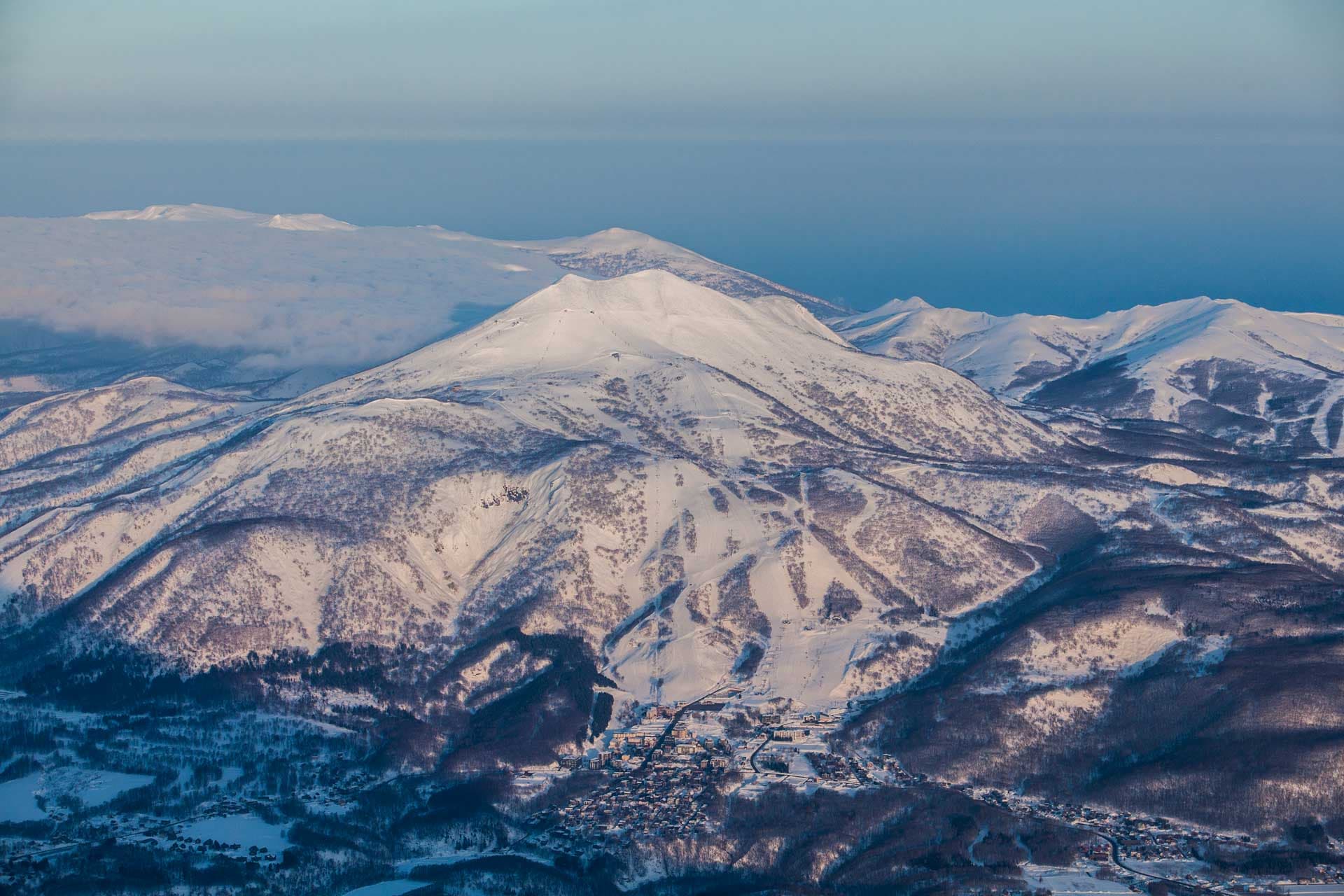
But Japan is not one snow climate. Hokkaido — the northernmost main island, home to Niseko, Furano, and Rusutsu — sits at a higher latitude with colder temperatures, producing the driest, lightest powder. Resorts there tend to be lower in altitude (most top out below 4,300 feet / 1,300m) but the cold compensates, keeping the snow quality remarkably consistent.
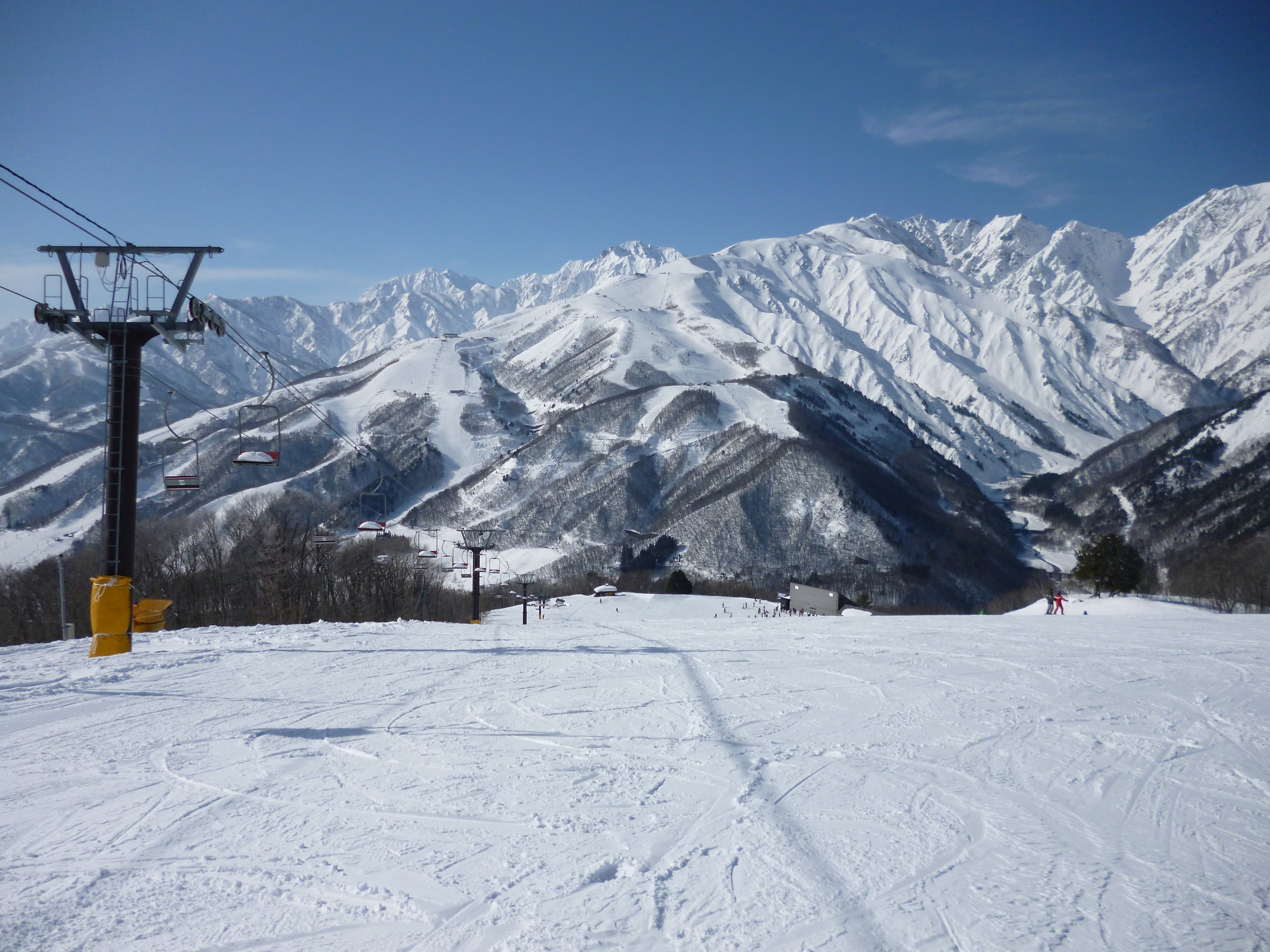
Honshu — the main island, where Hakuba Valley, Nozawa Onsen, and Madarao sit in the Nagano and Niigata Prefectures — receives heavier snow at slightly warmer temperatures. The trade-off is bigger vertical drops, higher summit elevations, and proximity to Tokyo. Honshu resorts are typically 3-4 hours from the capital by bullet train and bus, while Hokkaido requires a separate flight.
Understanding this divide is key to picking the right month. Hokkaido's colder climate means its powder season runs stronger and longer. Honshu can deliver equally stunning days, but the window is narrower, and warm spells at lower elevations arrive earlier.
The Months: December Through April
December — The Season Opens
Japanese ski resorts open progressively through December. Higher-elevation Honshu resorts and Hokkaido destinations typically have enough coverage by the first or second week of the month. Early December can be thin — you might find rocks showing on steeper lines and limited off-piste access. Do not plan a trip around the first two weeks of December unless you are comfortable with the risk of incomplete coverage.
The picture changes in the second half of the month. Late December often delivers the first significant storm cycles, and by Christmas week, most resorts are operating at or near full capacity. The catch: Christmas and New Year is peak season for Japanese domestic travel. Prices spike, accommodation books out months in advance, and resorts — particularly Niseko — fill with both international and Japanese holidaymakers. If you visit during this window, book early and budget for premium pricing.
December in one line: A gamble early, expensive late, but the season's first powder days reward those who time it right.
January — Peak Powder
January is the month. If you are traveling from the US specifically to ski Japanese powder, this is when to come. The Sea of Japan Effect operates at peak intensity through January, driving sustained storm cycles that deposit 10 feet (3m) or more of snow across Hokkaido in a single month. Niseko United averages roughly 10-13 feet (3-4m) of snowfall in January alone — numbers that most North American resorts do not reach in an entire season.
Temperatures are at their coldest, which keeps the snow dry and feather-light. Consecutive powder mornings are the norm, not the exception. Waking up to 12-16 inches (30-40cm) of fresh snow on three or four straight days is a realistic expectation during a January storm cycle, not marketing fiction.
Crowds are moderate. The Japanese holiday period has ended, Chinese New Year has not yet arrived (usually), and the international powder-chasing crowd, while growing, has not yet reached European peak-season density. Lift lines at Furano and Rusutsu remain genuinely short. Even Niseko's Grand Hirafu, the busiest of the four interconnected resorts, is manageable on weekdays.
January in one line: The best powder on the planet, delivered with remarkable consistency.
February — Excellent but Busier
February continues January's pattern with only slightly less intensity. Snowfall remains strong, temperatures stay cold enough to preserve powder quality, and storm cycles continue to roll through on a multi-day rhythm. The snowpack is now at or near its seasonal peak, meaning even modest overnight accumulations sit on top of a deep, stable base.
The complication is crowds. Chinese New Year falls in late January or February (the dates shift annually based on the lunar calendar), and Niseko in particular sees a significant influx of visitors from China, Hong Kong, Singapore, and Southeast Asia during this period. Accommodation prices jump 30-50% for the CNY window, and the most popular tree runs get tracked out faster.
If you are visiting Hokkaido in February, consider timing around CNY rather than during it. Alternatively, bypass Niseko entirely and head to Furano or Rusutsu, where the CNY effect is less pronounced. On Honshu, Nozawa Onsen and Madarao remain relatively uncrowded throughout February.
A cultural bonus: the Sapporo Snow Festival, held in early February, is one of Japan's marquee winter events — massive ice sculptures, food stalls, and evening illuminations spread across central Sapporo. It pairs naturally with a Hokkaido ski trip.
February in one line: Nearly as good as January for powder, but plan around Chinese New Year if visiting Niseko.
March — The Transition
March is Japan's shoulder month, and it offers a genuine value proposition. Powder days still happen — this is not spring skiing by Colorado standards — but they arrive less frequently and with less accumulation. Storm cycles become shorter and spaced further apart. On Honshu, temperatures at lower elevations begin to climb, and the snow at resort bases can turn heavy or slushy by afternoon.
Higher elevations and Hokkaido still deliver. Niseko and Hakuba's upper runs hold quality snow well into March, particularly on north-facing aspects. Daylight hours lengthen noticeably, giving you more skiing time and softer, warmer light for photography.
The financial case for March is straightforward: accommodation prices drop 20-40% from peak season, flights from the US are cheaper, and resorts feel spacious. For skiers who enjoy a mix of groomed cruising and occasional powder rather than requiring daily face shots, March is a smart choice.
A unique bonus for March visitors: cherry blossom season begins in southern Japan by late March. You will not see blossoms at ski-resort altitude, but a few days in Tokyo or Kyoto at the end of a ski trip can coincide with the early blooms — skiing and sakura in the same vacation.
March in one line: Less powder, more value, longer days, and the chance to combine skiing with cherry blossom season.
April — Late Season
By April, the field narrows. Lower-elevation resorts have closed or are operating on limited terrain. Higher resorts — including upper sections of Hakuba and Niseko — remain open through mid-April, and a handful extend to early May in strong snow years.
The skiing is spring skiing: corn snow that softens through the morning, warm daytime temperatures, and the occasional late-season storm that drops a surprise few inches overnight. It is not what you fly across the Pacific for, but if you are already in Japan for other reasons — business in Tokyo, a broader cultural trip — tagging on a few days of spring skiing is entirely viable.
April is the least crowded month of the season by a wide margin. If you ski on a weekday in April, you may feel like you have the mountain to yourself.
April in one line: Spring conditions, empty slopes, and the last runs of the season.
Hokkaido vs Honshu: When to Visit Each
Hokkaido (Niseko, Furano, Rusutsu)
Peak powder window: early January through mid-February. The cold, northern latitude keeps snow quality consistent across this entire stretch. Season typically runs to mid-April, though late-season conditions are spring-like from mid-March onward. Furano sits further inland than Niseko, which means slightly less total snowfall but arguably even drier powder texture.
If you can only visit Japan once for powder skiing, come to Hokkaido in January.
Honshu (Hakuba, Nozawa Onsen, Madarao)
Peak powder window: mid-January through late February. Honshu resorts are more sensitive to warm spells than Hokkaido, but the higher summit elevations at places like Hakuba's Happo-One (6,007 feet / 1,831m) compensate. Spring conditions arrive earlier at lower elevations, making March a mixed bag — great on top, softer below.
The accessibility advantage is significant. A bullet train from Tokyo to Nagano takes 80 minutes, making a long weekend of skiing possible. For US travelers already planning time in Tokyo, Honshu resorts turn a city trip into a combined skiing and cultural experience without the additional domestic flight that Hokkaido requires.
Nozawa Onsen and Madarao are worth particular attention for timing. Both receive heavy snowfall from the Sea of Japan Effect (they face northwest, directly into the prevailing moisture), and both are substantially less crowded than Niseko or even Hakuba throughout the season.
Crowd and Cost Patterns
Peak pricing periods:
- Christmas to New Year (December 23 - January 3): Japanese domestic holidays and international tourist overlap
- Chinese New Year (variable, late January to mid-February): Biggest impact at Niseko, moderate at Hakuba, negligible at smaller resorts
- Japanese school breaks (late December, late March): Moderate impact
The sweet spot: Mid-January through early February, before Chinese New Year arrives. You get peak powder, manageable crowds at most resorts, and prices that, while not cheap, have not yet hit the CNY premium.
The budget window: March. Prices drop across the board — accommodation, flights from the US, and some resorts offer discounted late-season lift passes. You trade powder consistency for value, which is a fair exchange if your expectations are calibrated.
Flights from the US: West Coast departures (Seattle, San Francisco, Los Angeles) to Sapporo (CTS) for Hokkaido or Tokyo (NRT/HND) for Honshu are most competitive in early January and March. Avoid booking during Christmas week or Chinese New Year — airfares spike by 30-50%. Midweek departures are consistently cheaper than weekend flights. Book 3-4 months in advance for the best fares.
Further Reading
- Best Powder Skiing in Japan: The Complete Guide — Resort-by-resort breakdown of Niseko, Hakuba, Furano, and more.
- Niseko vs Hakuba: Which Is Right for You? — Direct comparison on terrain, snow, cost, and culture.
- Beyond Niseko: Hidden Gems of Japanese Skiing — The resorts most international visitors overlook.
- Japan vs the Alps: Ski Trip Comparison — If you're deciding between Japan and Europe entirely.
ResortNiseko United
Japan
 Resort
Hakuba Valley
Japan
 Resort
Furano
Japan
 Resort
Nozawa Onsen
Japan
ArticleBest Powder Skiing in Japan: The Complete Guide for US Skiers
Japan's Hokkaido and Honshu ski resorts get more snow than anywhere else on earth. Here's exactly where to go, when to go, and what to expect when you chase Japow for the first time.
ArticleNiseko vs Hakuba: Which Japan Powder Destination Is Right for You?
Niseko and Hakuba both deliver legendary Japanese powder, but they're very different trips. Here's a direct comparison on terrain, snow, cost, access, and culture to help you choose.
More Guides