
Japan skiingAlps skiingNisekoski comparisonpowder skiingski trip planning
Skiing in Japan vs the Alps: Which Should You Choose?
The Mountain Marker Team4 min read
Two destinations dominate the bucket lists of serious skiers: the Alps and Japan. Both deliver world-class skiing. Both have devoted followings. And both will eat a significant chunk of your vacation budget. The question is which one is right for your trip — and it's not always the obvious answer.
Here's a direct comparison across the things that actually matter when you're planning.
Snow Quality
Japan wins this one, and it's not close.
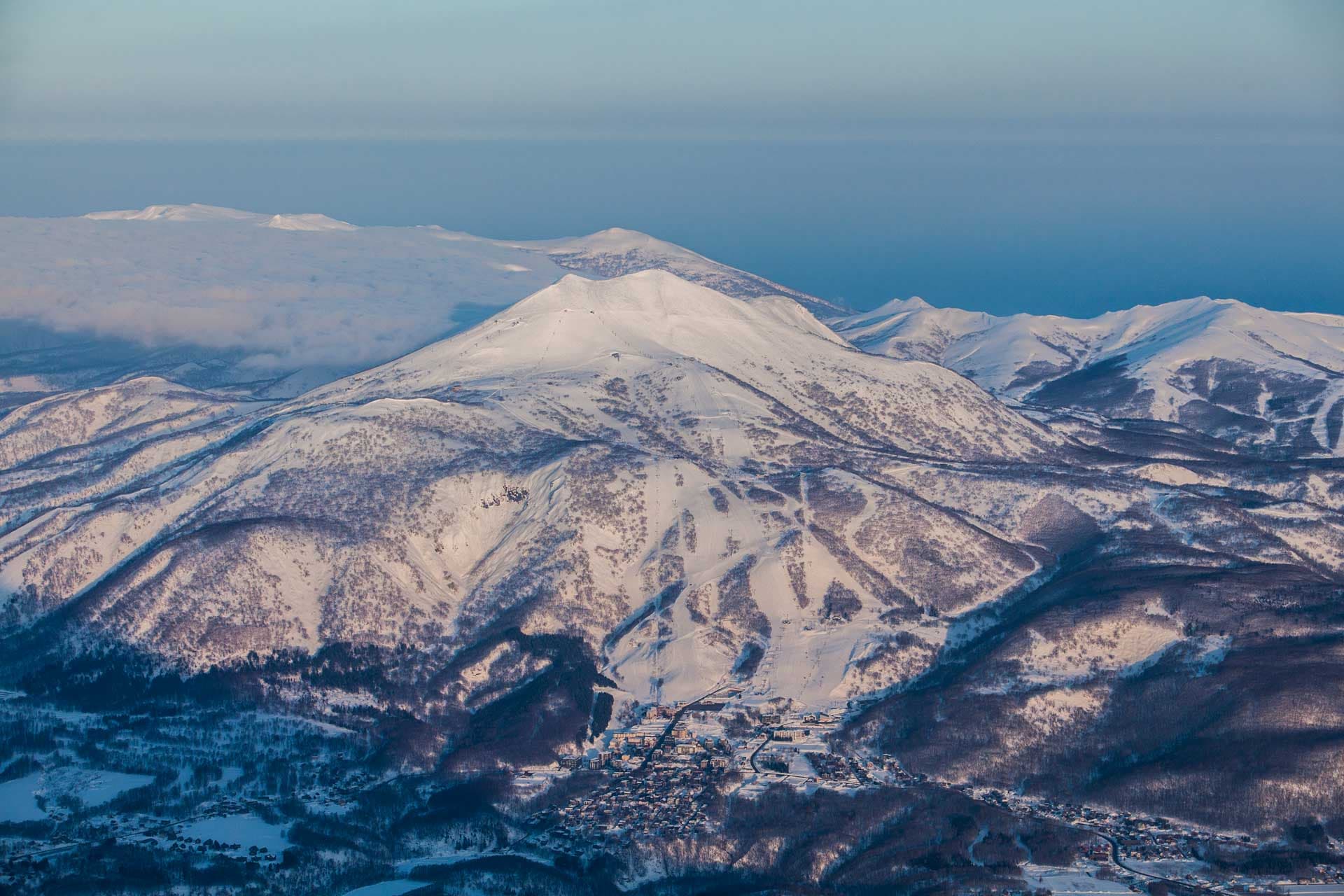
Niseko averages over 15 meters of snowfall per season. The Hokkaido interior sits in the path of cold air that picks up moisture crossing the Sea of Japan, dumping some of the driest, lightest powder on Earth. On a powder day in Niseko, you're skiing thigh-deep in snow with a 10% moisture content. That's not normal.
The Alps, by contrast, are more variable. Resorts like Val Thorens and Verbier sit at high altitude and typically have reliable snow from December through April, but the powder you get there is denser and less consistent. The Alps occasionally deliver exceptional powder days — but you can't plan for them the way you can in Hokkaido.
Edge cases: The Alps have better altitude reliability (Val Thorens tops out at 3,230m) which matters during low-snow seasons. Japan's snowfall is extraordinary but concentrated lower on the mountain.
Terrain Variety
Alps win here — by a lot.
The scale of Alpine ski areas is hard to grasp until you're standing in it. The Trois Vallées area in France (which includes Méribel and Val Thorens) covers 600km of marked pistes across multiple valleys. You could ski for two weeks and not repeat a run. The terrain ranges from nursery slopes to extreme off-piste couloirs on the same mountain.
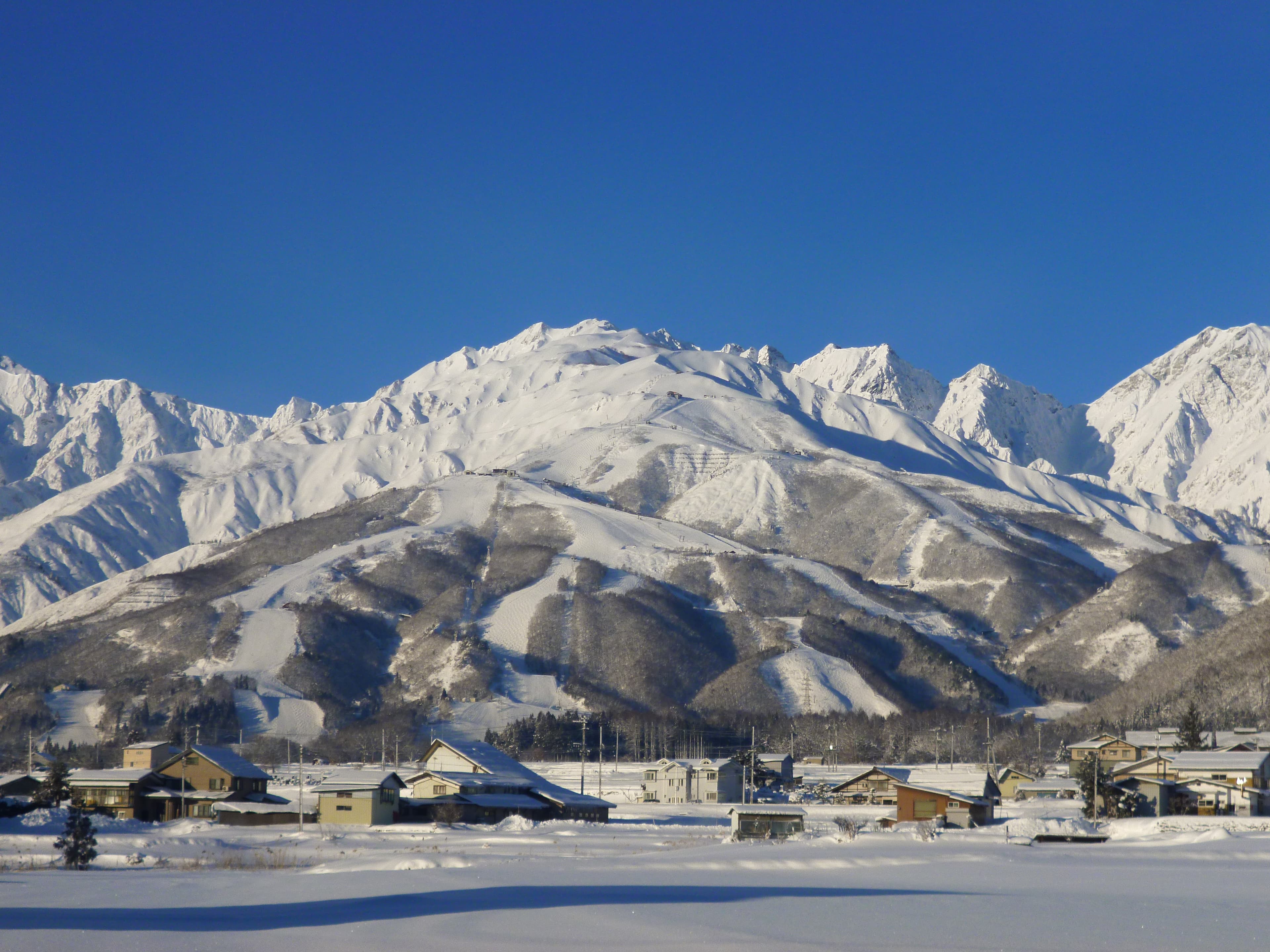
Japanese resorts are smaller. Niseko's four interconnected resorts cover around 50km of runs. Hakuba Valley links multiple resorts for a broader experience, but it still doesn't match the scale of a major Alpine area. For a week of skiing, Japan has enough terrain. For a two-week trip with varied skiers in the group, the Alps have the edge.
Where Japan excels: tree skiing and off-piste powder fields. Because snowfall is so heavy, the gladed terrain between marked runs is spectacular and often accessible without a guide.
Access from North America
Japan is surprisingly competitive.
Flying from the US West Coast (LA, Seattle, San Francisco) to Tokyo or Sapporo takes 10–12 hours — similar to flying New York to Geneva. From the East Coast, Europe is 7–9 hours but Japan is 14+. Factor in jet lag in both directions.
Alps access: Fly into Geneva, Zurich, or Innsbruck. Transfers to resort are typically 1.5–3 hours. Direct flights from major US hubs are available to Geneva and Zurich year-round.
Japan access: Fly into Tokyo (Narita or Haneda) then connect to Sapporo (New Chitose) for Niseko, or Osaka/Nagoya for Hakuba. Niseko from New Chitose airport is about 2.5 hours by bus or shuttle. Multiple transfer services run specifically for ski tourists.
West Coast travelers should treat Japan as equivalent travel to Europe. East Coast travelers face a longer Japan journey — build in an extra day either side to adjust.
Cost Comparison
The Alps have the wider range; Japan is mid-to-high.
Austrian and French resorts can be done affordably — Mayrhofen or Les Arcs offer solid value by Alpine standards. Switzerland and Verbier are expensive by any measure.
Japan sits in the middle. Lift passes are generally cheaper than the Alps (expect $50–70/day vs $70–100+/day in France or Switzerland). Accommodation in Niseko has risen sharply as the resort has internationalized — expect to pay European prices in the center of Hirafu. Food is excellent and often cheaper than the Alps, especially if you eat at local ramen or izakaya spots rather than resort restaurants.
Budget comparison for 7 nights including flights, accommodation, lifts, and ski rental:
- Budget Alps trip (Austria, France): $3,000–$4,500
- Mid-range Alps trip (France, upper-mid): $4,500–$7,000
- Japan (Niseko, mid-range): $4,000–$6,500
The gap is smaller than most people expect.
Culture and Experience
Japan is in a different league for off-slope experience.
The food alone justifies a trip. Between ski runs you're eating ramen, fresh sushi, yakitori, and onsen-style hot pot. After skiing, you soak in a rotenburo (outdoor hot spring bath) looking at snow-covered mountains. The contrast between high-energy skiing and total relaxation is unlike anything in Europe.
The Alps deliver a different experience: mountain villages, fondue, mulled wine, and après-ski culture that runs from late afternoon to midnight in places like Mayrhofen or Verbier. If that's your scene — and for many skiers it is — the Alps are unbeatable for the social atmosphere.
Language: English is widely spoken in Niseko (it's heavily international) and in major Alpine resorts. Off the main strips in Japan, expect a language barrier.
Who Should Go Where?
Choose Japan if:
- Powder skiing is your primary goal
- You're traveling from the West Coast
- You want an immersive cultural experience alongside the skiing
- You've already done the Alps and want something different
Choose the Alps if:
- Skiing with varied ability levels (beginners through experts in one group)
- You want more resort variety — multiple destinations in one trip
- You're East Coast-based and want to minimize travel time
- Après-ski and resort atmosphere matters to you
Doing Both
The best ski travelers eventually tick both boxes. Start with the Alps for your first international trip — the access is easier, the terrain variety suits groups, and our resort comparison tool makes it simple to find the right resort for your level. Save Japan for when you're chasing the powder experience with a couple of like-minded friends.
Either way, read our powder skiing in Japan guide and our Alps access guide before you book.
More Guides