Japan skiingAlps skiingcomparisonpowderski trip planning
Japan vs Alps: Which Should You Choose for Your Ski Trip?
The Mountain Marker Team10 min read
Japan and the Alps represent the two greatest international ski destinations for American travelers, but they deliver fundamentally different experiences. Japan offers the lightest, most consistent powder snow on earth, a food and cultural experience that has no equivalent in the ski world, and compact resorts where the skiing is secondary to the overall immersion. The Alps offer terrain at a scale that dwarfs anything in North America — interconnected ski areas covering hundreds of square miles, vertical drops exceeding 6,500 feet (2,000m), and a resort infrastructure refined over more than a century.
The right choice depends on what you are optimizing for. This guide breaks down the comparison across every category that matters, using real data from our resort ratings.
Snow Quality
Japan: The Powder Standard
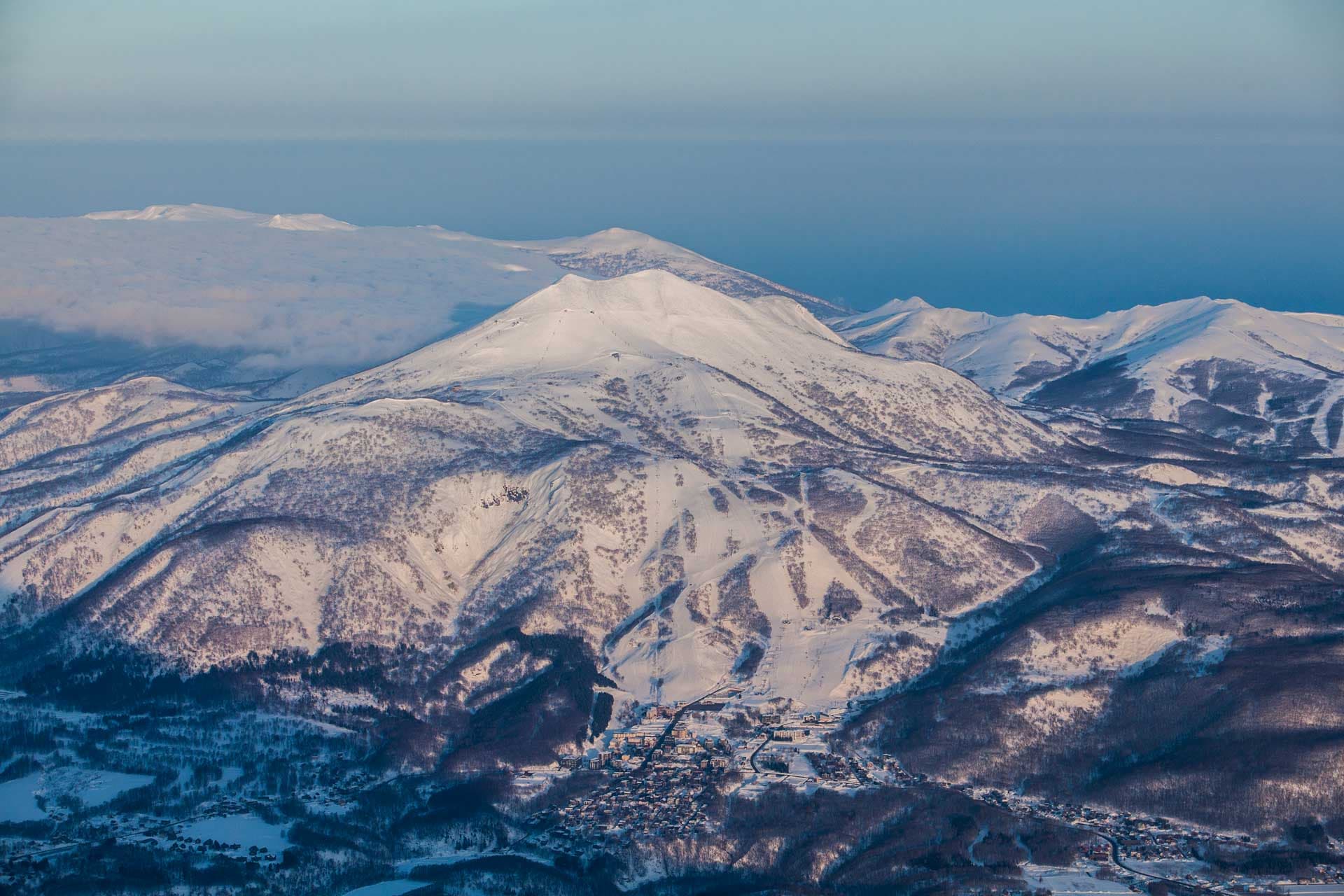
This is Japan's headline advantage, and it is not close. Niseko scores a perfect 10 for snow reliability, receiving an average of 590 inches (15 meters) of annual snowfall. Furano and Nozawa Onsen receive similar volumes. The snow is exceptionally dry and light — what the Japanese call "Japow" — because cold Siberian air masses pick up moisture over the Sea of Japan and deposit it on Hokkaido and the Japan Alps at temperatures cold enough to produce ultra-low-density crystals.
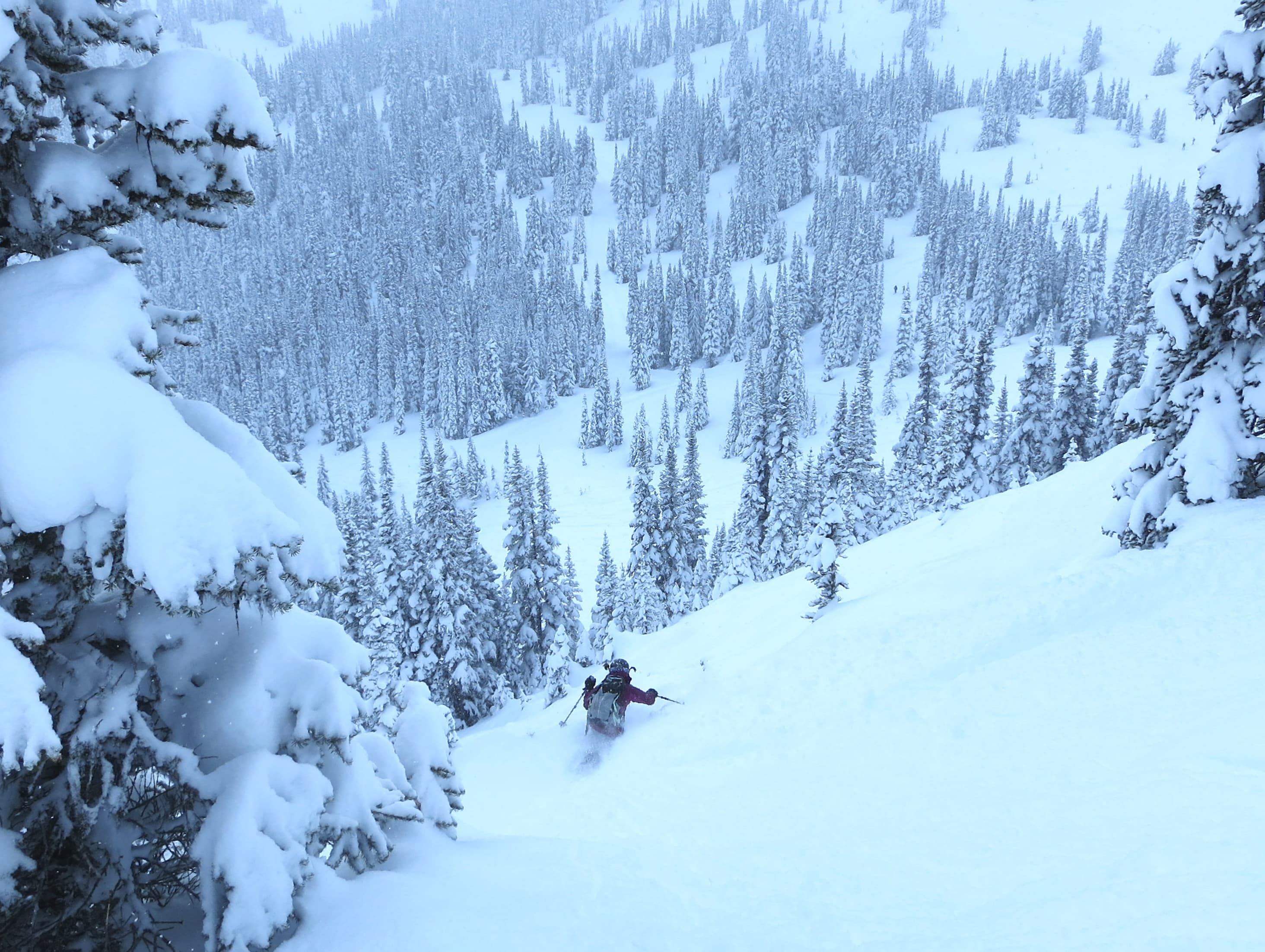
The practical effect: on a powder day in Niseko, you are skiing waist-deep snow that feels nearly weightless. The consistency is remarkable. January through early March delivers regular multi-day storm cycles, and because the resorts sit at relatively low elevations (Niseko's base is just 2,690 feet / 820m), the tree skiing is dense and accessible. You are not above treeline in wind-scoured bowls — you are in birch forests with perfectly spaced glades.
Alps: Variety and Altitude
The Alps counter with altitude-driven snow reliability and snowmaking investment. Val Thorens, Europe's highest resort at 7,545 feet (2,300m) base and 10,597 feet (3,230m) peak, scores a perfect 10 for snow reliability. Obertauern also scores 10. Glacier resorts like Zermatt (highest lifts at 12,740 feet / 3,883m) and Saas-Fee guarantee snow from November through May.
But Alpine snow is denser than Japanese powder. The maritime influence from the Mediterranean and Atlantic produces heavier snowflakes. A powder day in Chamonix or St. Anton is excellent by any global standard, but side-by-side with Niseko, the difference in snow density is noticeable.
The Alps compensate with sheer terrain variety: groomed corduroy, mogul fields, glaciated bowls, steep couloirs, and interconnected valleys where you can ski 30 miles in a day without repeating a run.
Verdict: Japan wins on powder quality. Alps win on snow season length and variety of conditions.
Terrain Scale and Variety
Alps: A Different Order of Magnitude
This is where the Alps are simply unmatched anywhere in the world. The Trois Vallees (Val Thorens, Méribel, Courchevel) covers 600km (373 miles) of interconnected pistes across three valleys — the largest linked ski area on earth. The Espace Killy (Tignes/Val d'Isere) offers 300km (186 miles). The Arlberg (St. Anton, Lech) covers 305km (190 miles). The Dolomiti Superski in Italy spans 1,200km (745 miles) across 12 valleys on a single pass.
These numbers have no equivalent in Japan. Or anywhere else. A strong intermediate skier can spend two weeks in the Trois Vallees and not ski the same run twice. The vertical drops are enormous: Val Thorens offers 4,920 vertical feet (1,500m) from top to bottom in a single descent. Chamonix's Vallee Blanche covers nearly 9,200 vertical feet (2,800m).
Japan: Compact but Deep
Japanese resorts are smaller. Hakuba is the largest area, comprising roughly 10 interconnected resorts with a combined 200+ runs, but the terrain is not linked in the seamless Alpine sense — you drive or shuttle between areas. Niseko has four interconnected zones (Grand Hirafu, Hanazono, Niseko Village, Annupuri) covering approximately 2,191 acres of skiable terrain, which is respectable but modest by Alpine standards.
What Japan lacks in scale, it compensates for in depth of experience. The tree skiing at Niseko, the steep chutes at Hakuba's Happo-One, and the untouched backcountry in the Tokamachi area of Nozawa offer terrain that is genuinely world-class in quality, even if the quantity is smaller.
Verdict: Alps win decisively on terrain scale. Japan holds its own on quality of specific terrain types, especially tree skiing and powder runs.
Culture and Food
Japan: The Total Immersion
This is Japan's second great advantage, and for many travelers, it is the deciding factor. A ski trip to Japan is a cultural experience that happens to include skiing. The combination of onsen (hot spring baths), izakaya (informal Japanese pubs), ramen shops, sushi counters, and the distinctive hospitality culture creates a trip that is memorable far beyond the slopes.
Nozawa Onsen is the best example: a village with 13 free public onsens, a 1,300-year history of hot spring bathing, narrow streets lined with steam vents, and a ski resort attached almost as an afterthought. You ski in the morning, soak in sulfurous thermal water in the afternoon, and eat fresh soba noodles made that morning for dinner.
Even the more developed resorts like Niseko offer this cultural layer. An evening in Niseko's Hirafu village includes yakitori stands, sake bars, and convenience stores (konbini) that sell onigiri and hot cans of corn soup at 2 AM. It is unlike anything in the Western ski world.
Alps: Heritage and Gastronomy
The Alps offer a different kind of cultural depth. The mountain lunch tradition — sitting on a sun terrace at 8,000 feet eating raclette or kaiserschmarrn while watching skiers descend — is central to the European ski experience. In Italy's Val Gardena, the mountain restaurants serve dishes that would earn praise in any urban setting. In Austria, the hut system delivers hearty dumplings, schnitzel, and local wine. In France, three-course lunches with regional cheeses are standard.
The apres-ski culture varies by country. Austrian apres (especially in St. Anton and Ischgl) is boisterous and beer-soaked. French apres is more subdued. Swiss apres is expensive.
The villages themselves carry centuries of history. Lech, Zermatt, and Chamonix are real towns with year-round populations, churches, local politics, and traditions that predate tourism.
Verdict: Japan wins for novelty and cultural immersion for a first-time visitor. Alps win for gastronomic depth across different national traditions. Both are excellent — this comes down to personal preference.
Cost
Japan: Surprisingly Affordable
Japan is one of the best-value international ski destinations for Americans, especially with favorable exchange rates. Lift passes at Niseko cost roughly $55-$70 per day — about half the price of a comparable Alpine resort. Accommodation ranges from $80-$150/night for a solid mid-range hotel or ryokan. Meals are remarkably affordable: an excellent bowl of ramen costs $8-$12, and a multi-course izakaya dinner runs $30-$50 per person.
Equipment rental is inexpensive and high-quality. Guides for backcountry skiing cost $200-$350 per day for a group.
The main cost driver is the flight. Tokyo is a 12-14 hour direct flight from the US West Coast, and domestic connections to Sapporo (for Niseko and Furano) or Nagano (for Hakuba and Nozawa) add another 1-2 hours. Round-trip flights typically run $800-$1,400 from the West Coast.
Alps: Wide Range
Alpine costs span an enormous range depending on country and resort. Val Thorens and Flaine offer solid value in France. Austrian resorts like Mayrhofen and Alpbach are genuinely affordable. Swiss resorts like Verbier and Zermatt are among the most expensive ski destinations in the world.
Typical Alpine costs per day (mid-range):
- Lift pass: $60-$85
- Accommodation: $120-$250/night
- Mountain lunch: $25-$45
- Dinner: $40-$80
Flights from the US East Coast to Geneva, Zurich, Munich, or Innsbruck are competitive, typically $500-$900 round-trip. Transfer times from airports to resorts are shorter than in Japan — 1-3 hours for most major resorts.
Verdict: Japan wins on daily costs (food, lift passes, accommodation). Alps win on airfare from the East Coast and total transit time. For a West Coast skier, Japan is the clear value play.
Logistics from the US
Getting to Japan
From the US West Coast, direct flights to Tokyo Narita or Haneda take 10-12 hours. From the East Coast, add 2-4 hours. From Tokyo, you connect domestically:
- Niseko/Furano: Fly to New Chitose Airport (Sapporo), then 2-3 hours by bus or rental car
- Hakuba: Bullet train from Tokyo to Nagano (80 minutes), then 1 hour by bus
- Nozawa Onsen: Bullet train from Tokyo to Iiyama (100 minutes), then 25 minutes by bus
The bullet train system is fast, clean, and operates with a punctuality that will recalibrate your expectations of public transit. A Japan Rail Pass (7-day) costs roughly $200 and covers unlimited bullet train travel.
Language note: English signage is common at major transit hubs and ski resorts. In smaller towns like Nozawa Onsen, English is limited but manageable with translation apps. Japanese hospitality means that even without shared language, you will be treated with extraordinary courtesy.
Getting to the Alps
Major European hub airports serve the Alps efficiently:
- Geneva: Gateway to French resorts (Chamonix 1 hour, Flaine 1.5 hours, Verbier 2 hours)
- Zurich: Gateway to Swiss and Austrian resorts (Lech 2.5 hours, St. Anton 3 hours)
- Munich: Gateway to Austrian resorts (Mayrhofen 1.5 hours, Ischgl 3 hours)
- Innsbruck: Direct access to Tyrol (Alpbach 1 hour, Solden 1.5 hours)
Shared shuttle transfers (companies like Skiidy, AlpyBus, and Bens Bus) are well-established and affordable — $40-$80 per person one way. Rental cars work too, but winter driving in the Alps requires snow chains or winter tires, and parking in resort villages can be tight and expensive.
English is widely spoken at all major Alpine resorts. You will have zero language issues in Austria, Switzerland, or the tourist areas of France and Italy.
Verdict: Alps win on total transit time from the US East Coast. Japan wins from the West Coast on simplicity (fewer connections). Both are straightforward for experienced international travelers.
Resort Infrastructure
Alps: A Century of Investment
Alpine ski infrastructure is the most developed in the world. Modern gondolas, heated chairlifts with bubble covers, and high-speed detachable quads are standard at every resort on our list. The Trois Vallees moves 260,000 skiers per hour across its lift network. Snowmaking covers critical runs at virtually every major resort. Mountain restaurants number in the dozens — Val Thorens alone has over 30.
Trail grooming is meticulous. Piste maps are detailed and accurate. Rescue services operate with helicopter support. Medical facilities are typically available in-resort or within a short transfer.
Japan: Efficient but Smaller-Scale
Japanese lift infrastructure is functional but a generation behind the best Alpine resorts. Many resorts still operate fixed-grip chairlifts rather than detachable high-speed chairs. Gondola capacity is smaller. Lift lines at Niseko's Grand Hirafu can be significant on powder days, especially during the Australian and Asian holiday periods (late December through early January).
What Japan does exceptionally well is operational efficiency. Lifts run on time. Rental shops are organized with military precision. The ski patrol is professional and responsive. Trail grooming on marked runs is excellent.
Mountain dining in Japan is its own category. Forget the overpriced hamburger at the base lodge — Japanese mountain cafeterias serve curry rice, udon, katsu, and ramen at prices that would seem charitable by US standards.
Verdict: Alps win on lift technology, terrain scale, and mountain restaurant variety. Japan wins on value and food quality at mountain facilities.
Choose Japan If...
- You are chasing the best powder snow on earth and are willing to travel for it
- You value cultural immersion as much as (or more than) the skiing itself
- You are based on the US West Coast and want to minimize flight time
- You want exceptional food at every meal without spending $50 per plate
- You are interested in tree skiing and compact, terrain-dense resorts
- You prefer a trip that feels genuinely foreign and adventurous
- You are comfortable with smaller resort infrastructure and potential language barriers
- You want to combine a ski trip with onsen bathing, temple visits, and city exploration in Tokyo or Kyoto
Choose the Alps If...
- Terrain scale and variety are your top priorities
- You want interconnected ski areas where you can ski for a week without repeating runs
- You are based on the US East Coast and want shorter total travel time
- You are a mixed-ability group (the range from beginner to expert terrain is enormous)
- You want a wide choice of resort styles: luxury village, purpose-built convenience, traditional town, Italian charm
- You are an advanced skier seeking serious off-piste with guide infrastructure
- You want to visit multiple countries and cultures on one trip (France, Austria, Switzerland, Italy are all within driving distance)
- You prefer well-established English-language tourist infrastructure
The Best of Both Worlds
Some skiers resolve the debate by doing both trips in the same season — Japan in January for powder, Alps in March for spring skiing. If that is beyond the budget, the honest answer is that you cannot go wrong with either destination. Both offer skiing experiences that are categorically different from (and, in our assessment, better than) what is available in North America.
Use Mountain Marker's resort comparison tool to evaluate specific resorts side by side. Compare Niseko against Val Thorens on snow reliability, or Chamonix against Hakuba on expert terrain, to see how the numbers stack up for your priorities.
Browse all resorts — in Japan, the Alps, and beyond — on Mountain Marker's resort directory to start building your trip.
More Guides