

planningcomparisonweather2026-2027el-ninoalpsnorth-america
Europe vs USA: Where to Ski the 2026/27 Season (El Niño Outlook)
The Mountain Marker Team11 min read
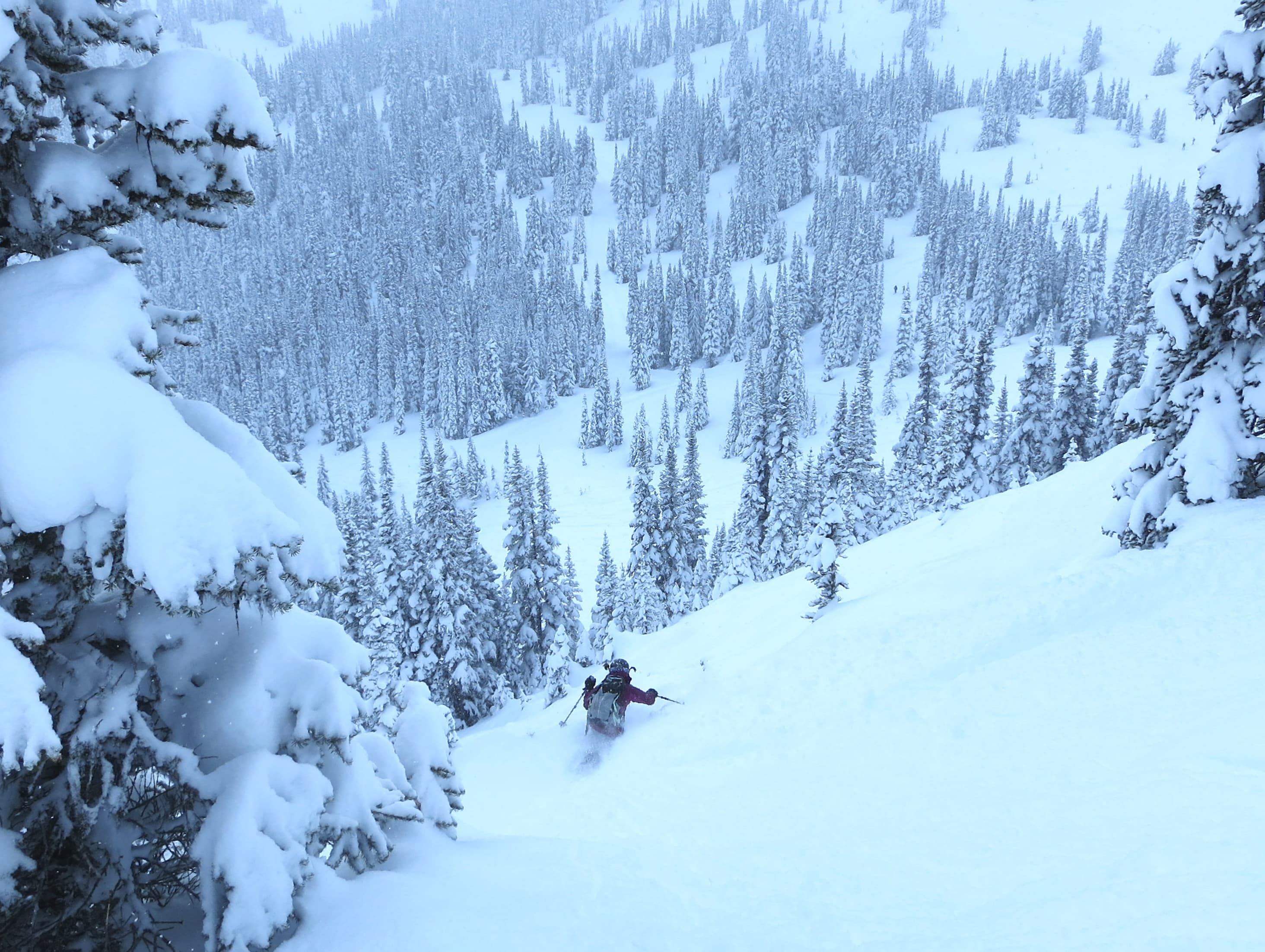
A powder morning — the days everyone books for
If you're deciding between a European and a North American ski trip for 2026/27, here's where the evidence points as of April 2026. NOAA's latest ENSO Diagnostic Discussion (April 10, 2026) shows El Niño emerging by mid-2026, with the IRI Columbia multi-model plume forecast assigning roughly 70% probability of El Niño conditions persisting through the Northern Hemisphere winter. For US skiers, an El Niño winter historically shifts the jet stream south — boosting California's Sierra Nevada, the southern Rockies, and the Southwest while leaving the Pacific Northwest and northern Rockies drier and warmer than average. For Europe, ENSO correlation is weaker; altitude is the far more reliable predictor of season quality. The booking framework: if you want reliability regardless of climate phase, book high-altitude European glacier resorts. If you want to chase the El Niño bonus, book California and the southern Rockies. If your target is the Pacific Northwest or a low-altitude Alpine resort, hedge with cancellation insurance.
What We Actually Know (April 2026)
Let's be specific about what the data says — and what it doesn't.
NOAA's ENSO Diagnostic Discussion (April 10, 2026) reports that equatorial sea surface temperatures in the Niño-3.4 region have been trending above the +0.5°C threshold that defines El Niño conditions. The Climate Prediction Center assigns a 62% probability of El Niño developing by the June–August 2026 window and persisting through the end of the calendar year. The majority of dynamical and statistical models in the IRI Columbia multi-model ensemble converge on weak-to-moderate El Niño conditions (Niño-3.4 SST anomalies of +0.5°C to +1.5°C) through winter 2026/27.
The spring predictability barrier. This is the single most important caveat in the entire post. ENSO forecasts issued in April carry significantly higher uncertainty than those issued after October. The "spring predictability barrier" — a well-documented drop in forecast skill during March–May — means April models are less reliable than they'll be six months from now. The IRI Plume Forecast itself shows model spread widening substantially for the December–February window when viewed from April. Translation: the 70% probability figure is real, but it could shift meaningfully by the time autumn forecasts publish.
The 2025/26 context. Readers planning for 2026/27 are coming off a difficult season in parts of the western US. Colorado's statewide snowpack sat at approximately 78% of the 30-year median by April 2026 — not catastrophically low, but well below average. Utah recorded one of its lowest snowpack seasons in recent memory, with multiple resorts reporting below-average terrain openings through February. California's Sierra had a stronger season relative to the previous year but remained inconsistent. The Alps, by contrast, delivered a solid winter at altitude thanks to repeated North Atlantic storm systems in January and February 2026. This context shapes the risk calculus: after a lean US season, early booking for 2026/27 carries psychological urgency, but the data doesn't yet warrant committing before autumn forecasts firm up.
For a deeper explanation of how El Niño and La Niña affect ski regions globally, read our El Niño vs La Niña guide.
The El Niño Playbook for North American Resorts
El Niño's primary mechanism in North America is a southward shift of the Pacific jet stream. Moisture-laden storms track across the southern tier of the continent rather than the northern tier. This creates clear regional winners and losers — though "clear" is relative when we're working from April forecasts.
California — Likely Beneficiary
The Sierra Nevada is the poster child for El Niño winters. The southward-shifted jet stream directs Pacific moisture straight into California's mountains. During the strong 2015/16 and 2023/24 El Niño events, Mammoth Mountain and Palisades Tahoe recorded season snowfall totals well above their 30-year averages. Heavenly, straddling the California-Nevada border at Lake Tahoe, benefits from the same storm track.
The pattern isn't guaranteed — the 2018/19 moderate El Niño underperformed expectations in the Sierra. But the statistical tilt is clear: El Niño years produce above-average snowfall in California more often than not. If you're a US-based skier considering a western trip, California is the highest-probability play this season.
Utah — High Altitude Buffers a Slightly Drier Tendency
Utah's relationship with El Niño is more nuanced. The Wasatch Range historically trends slightly drier during El Niño winters compared to La Niña or neutral years. However, "slightly drier" in Utah still means impressive snowfall by any global standard — the altitude and geography of the Wasatch ensure that even below-average seasons deliver skiable conditions.
Alta and Snowbird, with base elevations above 2,500m and access to high-alpine terrain, are well-positioned to handle a moderate El Niño. Park City, at slightly lower elevation and on the leeward side of the Wasatch, could see more variability. The historical record suggests booking Utah with confidence but tempering powder-day expectations relative to a La Niña year.
Colorado Southern Resorts — Historical El Niño Beneficiaries
The southern half of Colorado is where El Niño becomes interesting. The southward jet stream pushes storm systems across New Mexico and into southern Colorado, delivering above-average snowfall to resorts that don't always lead the national conversation.
Telluride, Crested Butte, and Taos (technically New Mexico, but it rides the same storm track) historically perform well in El Niño winters. Wolf Creek Pass, which already holds Colorado's highest average annual snowfall, tends to pile on even more during El Niño years. These resorts deserve serious consideration from US skiers planning a 2026/27 trip.
Colorado Northern Resorts — Mixed Signals
Vail, Breckenridge, and Steamboat Springs sit further from the El Niño storm track. The historical record for northern Colorado during El Niño is genuinely mixed — some El Niño winters deliver strong seasons (the jet stream isn't a precise scalpel), while others run drier than average. The 2025/26 season's below-average snowpack in Colorado adds urgency to the question, but the honest answer is that northern Colorado's 2026/27 outlook is harder to forecast than California's or southern Colorado's.
If you're set on Summit County or the Steamboat corridor, booking isn't unreasonable — these are world-class resorts that deliver good skiing even in below-average years. Just don't book expecting a guaranteed rebound.
Pacific Northwest — The El Niño Risk Zone
This is where the framework shifts from "book with confidence" to "hedge carefully." Whistler Blackcomb, Stevens Pass, and Crystal Mountain are the traditional El Niño losers in North America. The jet stream shifts south, diverting moisture away from British Columbia and Washington. Historical data is fairly clear: El Niño winters produce below-average snowfall in the Pacific Northwest more often than any other region.
The practical implication isn't "don't go" — it's "don't commit money you can't afford to lose." If the Pacific Northwest is your target, wait until NOAA's October or November ENSO Discussion for a firmer signal. Consider ski-specific travel insurance that covers poor snow conditions (standard cancellation policies typically won't). And have a backup plan: a lean Pacific Northwest season might be the year to redirect to California instead.
Northeast — Less Directly Affected
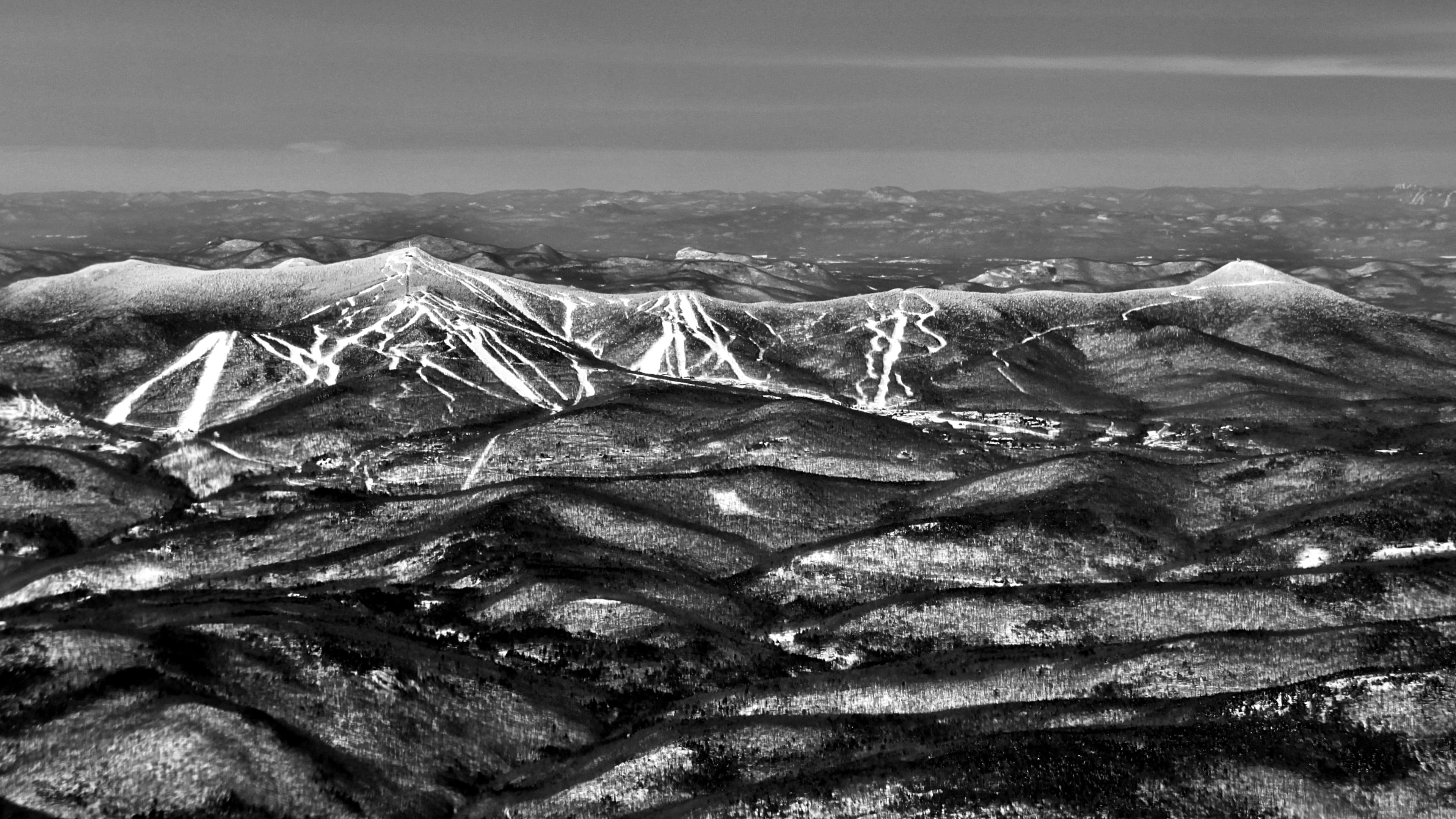
Killington, Stowe, and Sugarloaf are less directly correlated with ENSO phase than western resorts. The Northeast's winter weather is driven more by Arctic oscillation patterns and nor'easter frequency than by the Pacific jet stream. El Niño winters in the Northeast have historically produced milder conditions overall, but this is a weak statistical signal with high year-to-year variability.
The Northeast play for 2026/27 is less about ENSO and more about watching for January–February cold snaps that lock in snowmaking coverage. If you're planning an eastern trip, the climate forecast matters less than the two-week weather window you happen to hit.
Europe — Why Altitude Matters More Than ENSO
Here's the structural difference between planning a US ski trip and a European one: ENSO is a weak predictor of European winter conditions. The North Atlantic Oscillation (NAO) and Sudden Stratospheric Warming (SSW) events are far more influential — and neither is reliably predictable more than two to four weeks in advance. The European Centre for Medium-Range Weather Forecasts (ECMWF) seasonal models show only modest skill at predicting European winter precipitation from ENSO state alone.
What this means practically: you can't use the El Niño signal to time a European ski trip the way you can for California or the Pacific Northwest. Instead, the strategy for Europe is structural — choose resorts where altitude and glacier access provide insurance against any climate variability.
Glacier-Backed Resorts as Climate Insurance
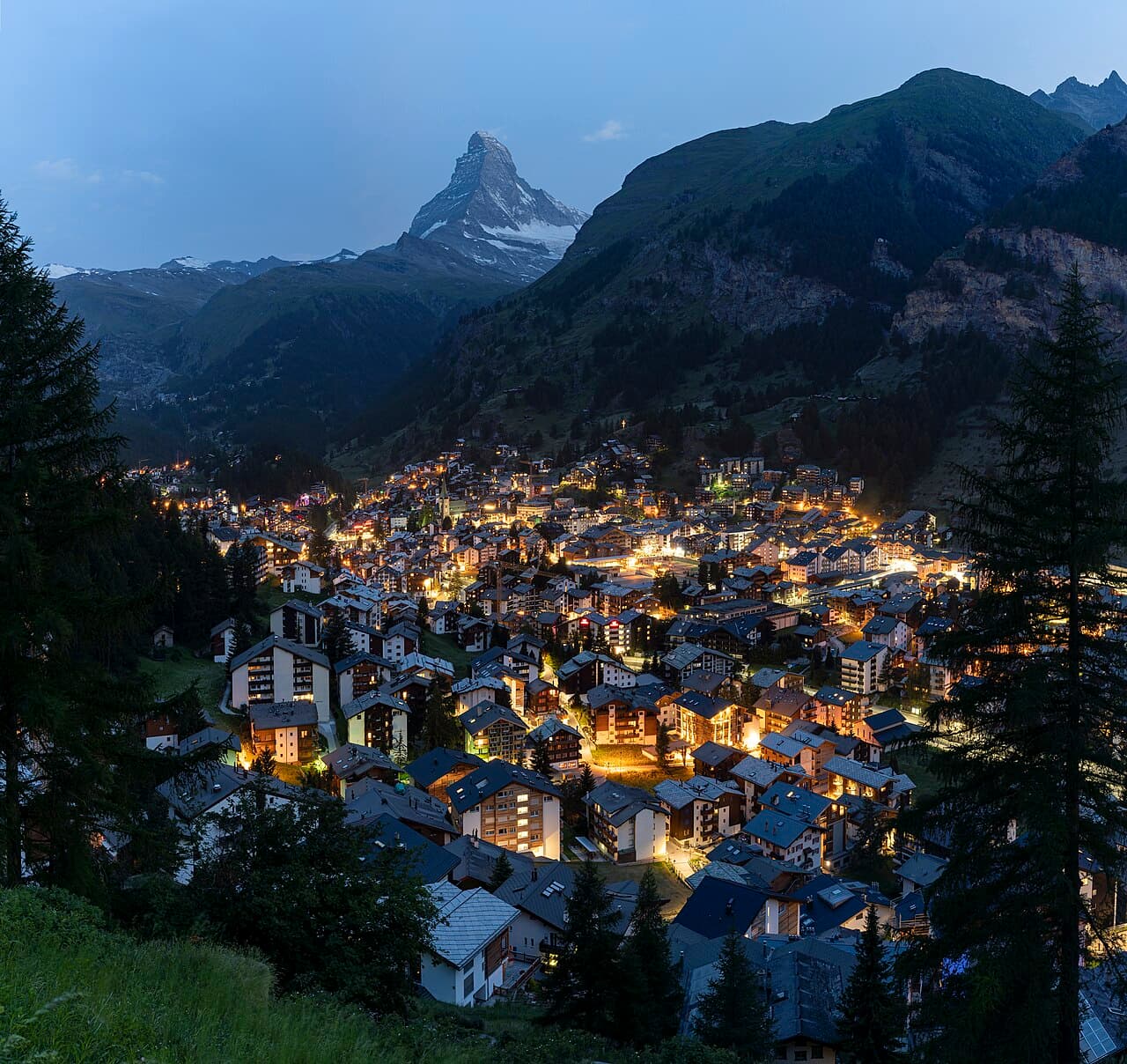
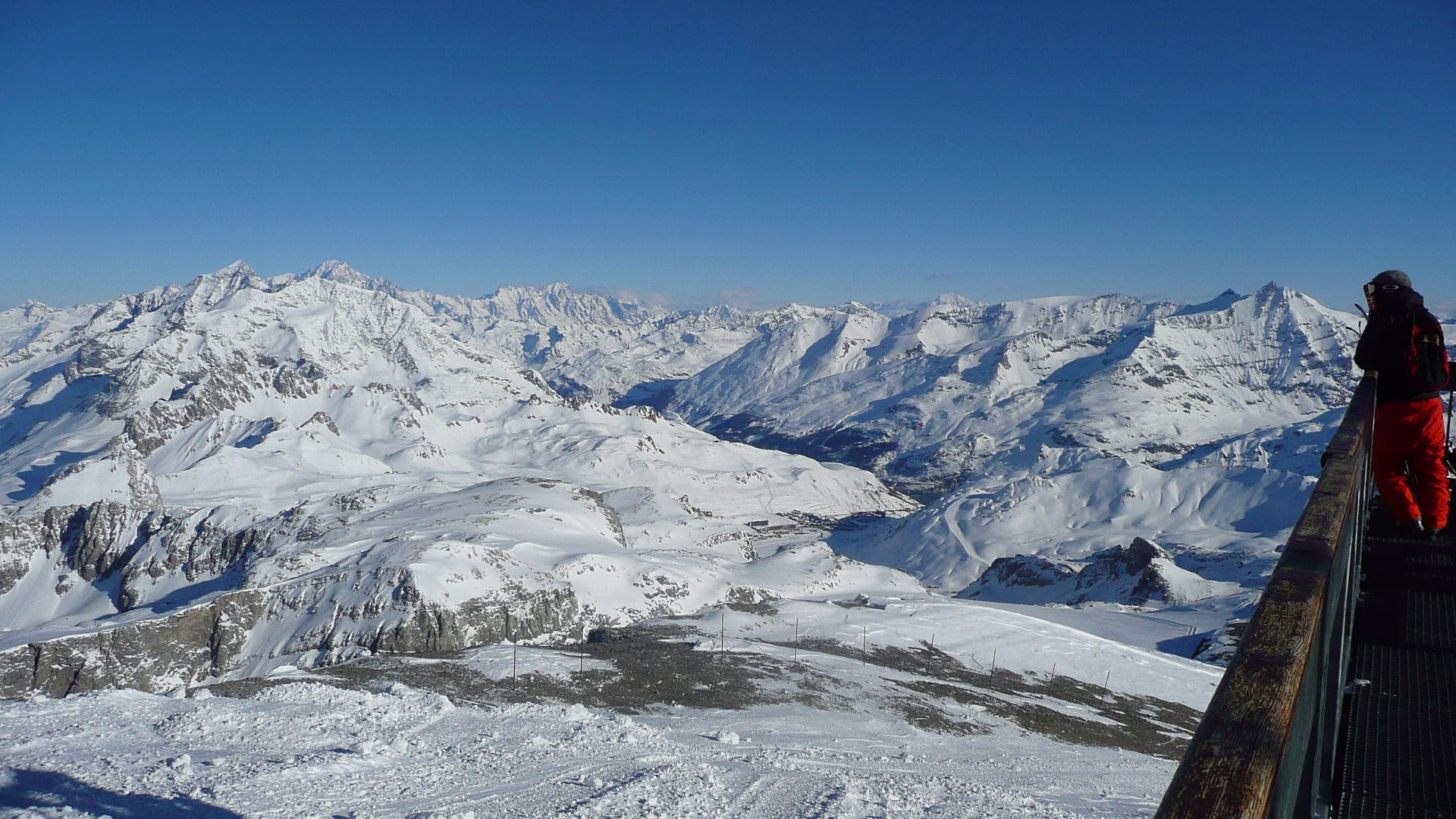
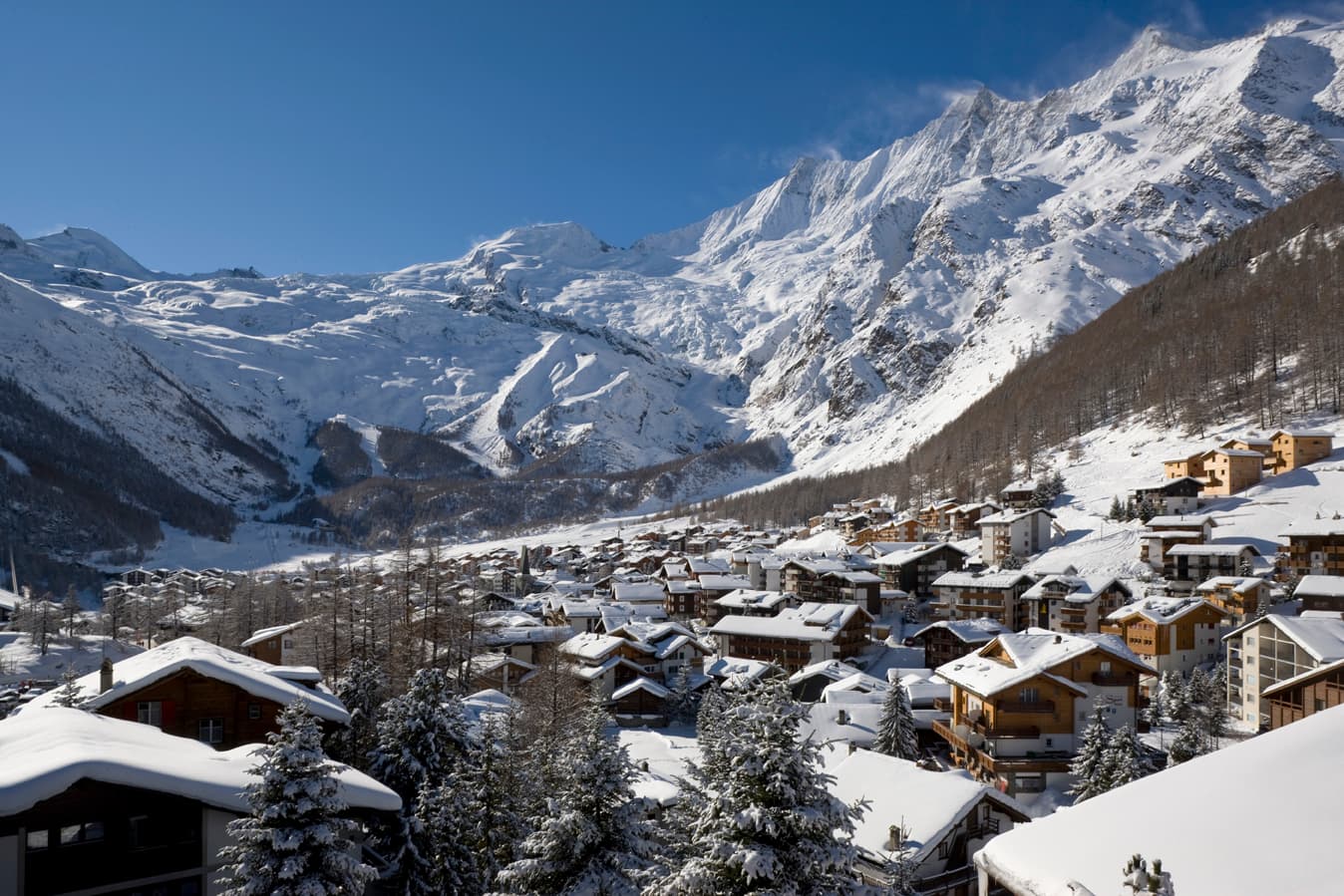
Zermatt is the archetype. With skiing up to 3,883m on the Klein Matterhorn glacier, Zermatt offers terrain above the snowline regardless of whether the valley floor has coverage. The glacier is skiable year-round, and even in historically poor European snow years, the upper mountain delivers. Val d'Isère and Tignes, sharing the Espace Killy area, offer glacier skiing on the Grande Motte (3,456m) — a reliable altitude backstop through the season. Chamonix's Grands Montets sector reaches 3,275m, providing steep, high-altitude terrain that holds snow when lower sectors struggle. Saas-Fee and Les Deux Alpes round out the glacier-backed options — both offer above-3,000m skiing that functions as a hedge against low-snow winters.
For 2026/27, these resorts are the highest-confidence bookings in Europe. If El Niño narrative drives more US and UK skiers toward European "safe havens," expect accommodation demand to rise earlier than usual. Book by July if you're targeting Christmas or February half-term weeks.
The Arlberg Exception
St. Anton doesn't have glacier access, but its position in the Arlberg region gives it a different kind of insurance. The Arlberg intercepts moisture from Atlantic weather systems arriving via the Rhine Valley, independent of broader Alpine patterns. St. Anton's historical snowfall record is remarkably consistent — it's one of the most reliable snow resorts in Austria regardless of ENSO phase or NAO state. At 1,304m base with skiing to 2,811m, it sits in a favorable altitude band and benefits from its specific geographic position.
The Low-Altitude Warning
Resorts with base elevations below 1,500m face a different risk profile. Mégève, Morzine, and much of the Portes du Soleil sit at altitudes where a warm winter directly threatens snow coverage on lower runs. The 2025/26 season saw several low-altitude resorts in the French pre-Alps and the Dolomites struggle with rain-at-base events through January. If El Niño contributes to any mild perturbation in European weather — and the correlation is weak but non-zero — it's the low-altitude resorts that feel it first.
This isn't a reason to avoid these resorts entirely. Morzine and Mégève are excellent destinations with real character that high-altitude purpose-built resorts lack. But for 2026/27, manage expectations: book with awareness that lower runs may be compromised, choose accommodation that doesn't depend on ski-in/ski-out access at low elevation, and consider timing your trip for January or February rather than early December.
Scandinavia for Early Season
If you're targeting a December trip and want cold-weather confidence, Scandinavian resorts (Åre in Sweden, Hemsedal in Norway) offer a latitude-based insurance policy. The Arctic and sub-Arctic climate ensures cold temperatures and snow-sure conditions from late November, independent of ENSO or NAO state. The terrain is more modest than the Alps, but for an early-season trip where you need snow certainty, Scandinavia delivers when the Alps are still waiting for their first big dump.
Booking Strategy: When to Commit
The evidence doesn't support a single booking strategy for every destination. Here's how to approach timing:
European glacier resorts (Zermatt, Val d'Isère/Tignes, Chamonix, Saas-Fee): Book accommodation by July 2026. These resorts are high-confidence regardless of climate phase, and if the El Niño narrative pushes more North American skiers toward Europe as a "safe bet," peak-week accommodation will tighten earlier than usual. Lift passes and flights can wait, but lock in lodging.
US El Niño beneficiaries (Mammoth, Palisades Tahoe, Alta/Snowbird, Telluride, Taos): Book by September or October 2026, once NOAA's autumn ENSO Discussions confirm whether El Niño is materializing as expected. The spring predictability barrier will have passed, and the forecast skill improves dramatically. Early booking deals often start appearing in September anyway.
Destinations at risk (Pacific Northwest, low-altitude Alpine): Consider waiting until October or November before committing significant spend. If the El Niño signal strengthens, redirect to a beneficiary region. If it weakens or shifts toward neutral, the Pacific Northwest becomes a much safer bet. Either way, get ski-specific travel insurance.
On trip insurance specifically: Standard cancellation and travel insurance policies do not cover "poor snow conditions" as a reason for cancellation — if lifts are running on artificial snow, you're not covered. For 2026/27, ski-specific policies that cover piste closure due to lack of natural snow are worth the premium. Several specialist insurers (Snowcard, Dogtag, ERV in Europe) offer this coverage. Check policy wording carefully — some only cover complete resort closure, not partial piste closures.
What to Watch Between Now and October
You don't need to be a climate scientist to track the signals that will sharpen this framework. Three things to monitor:
NOAA ENSO Diagnostic Discussions. Published monthly, typically on the second Thursday. These are the authoritative US government assessments of ENSO state and outlook. By October 2026, the forecast skill will have improved substantially from where it is in April. Bookmark the Climate Prediction Center's ENSO page and check it monthly.
The IRI ENSO Plume Forecast. Published monthly by Columbia University's International Research Institute for Climate and Society. This shows the multi-model ensemble — dozens of dynamical and statistical models plotted together. Watch for model convergence: if the plume tightens around El Niño values by August, confidence increases. If models diverge, uncertainty remains high and hedging is wise.
Quasi-Biennial Oscillation (QBO) updates. The QBO is a cycling pattern of stratospheric winds over the equator. The current phase is easterly (as of April 2026), which research suggests raises the probability of Sudden Stratospheric Warming events during Northern Hemisphere winter. SSW events can disrupt the polar vortex, sending Arctic air masses south into Europe and the eastern US — potentially producing cold, snowy conditions in regions that El Niño alone wouldn't favor. The QBO doesn't change the ENSO forecast, but it adds a second variable worth tracking, especially for European and Northeast US trip planning.
For live snow conditions once the season starts, use our Powder Alert tool to track real-time snowfall at resorts across Europe and North America.
The Bottom Line
The 2026/27 season has a detectable climate signal — El Niño is more likely than not — but we're still in the low-confidence window. The framework isn't "predict and commit." It's "understand the tilt and hedge accordingly."
Book European altitude now. Watch US signals through summer. Commit to US beneficiary resorts in autumn. Hedge Pacific Northwest and low-altitude Alpine exposure with insurance or flexible bookings. And check back here — we'll update this post as the forecast sharpens.
Use our resort comparison tool to evaluate specific resorts side by side, or browse the full resort directory to start narrowing your shortlist.
Last updated: April 22, 2026. We'll refresh this post when NOAA's August 2026 ENSO Discussion publishes and forecasts firm up post-spring-predictability-barrier. Bookmark for booking decisions.
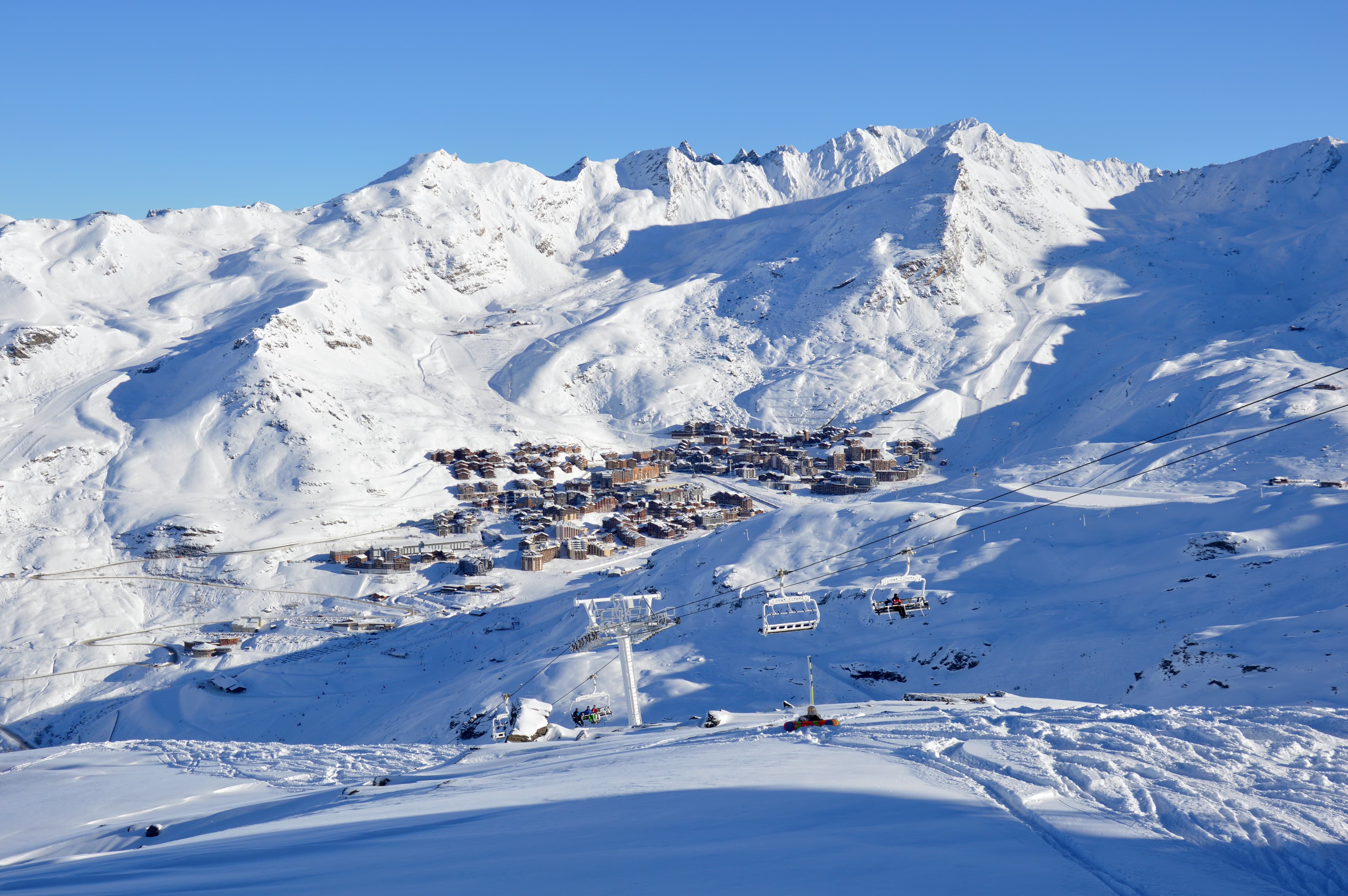
Where to stay in Val Thorens
Browse hotels and accommodation near Val Thorens.
Find hotels on Expedia →Sponsored — we earn a small commission when you book through Expedia. It doesn't cost you more.
 Resort
Val Thorens
France
 Resort
Chamonix
France
 Article
Complete Guide to Planning a Ski Trip to Europe from the US
Everything you need to plan a European ski holiday from the US — from booking flights and choosing a resort to budgeting, packing, and handling jet lag. A step-by-step timeline so nothing falls through the cracks.