VerbierZermattSwitzerland skiing4 ValleesMatterhornSwiss Alpsfreeride skiingglacier skiingski trip comparison
Verbier vs Zermatt: Comparing Switzerland’s Premier Ski Destinations
The Mountain Marker Team11 min read
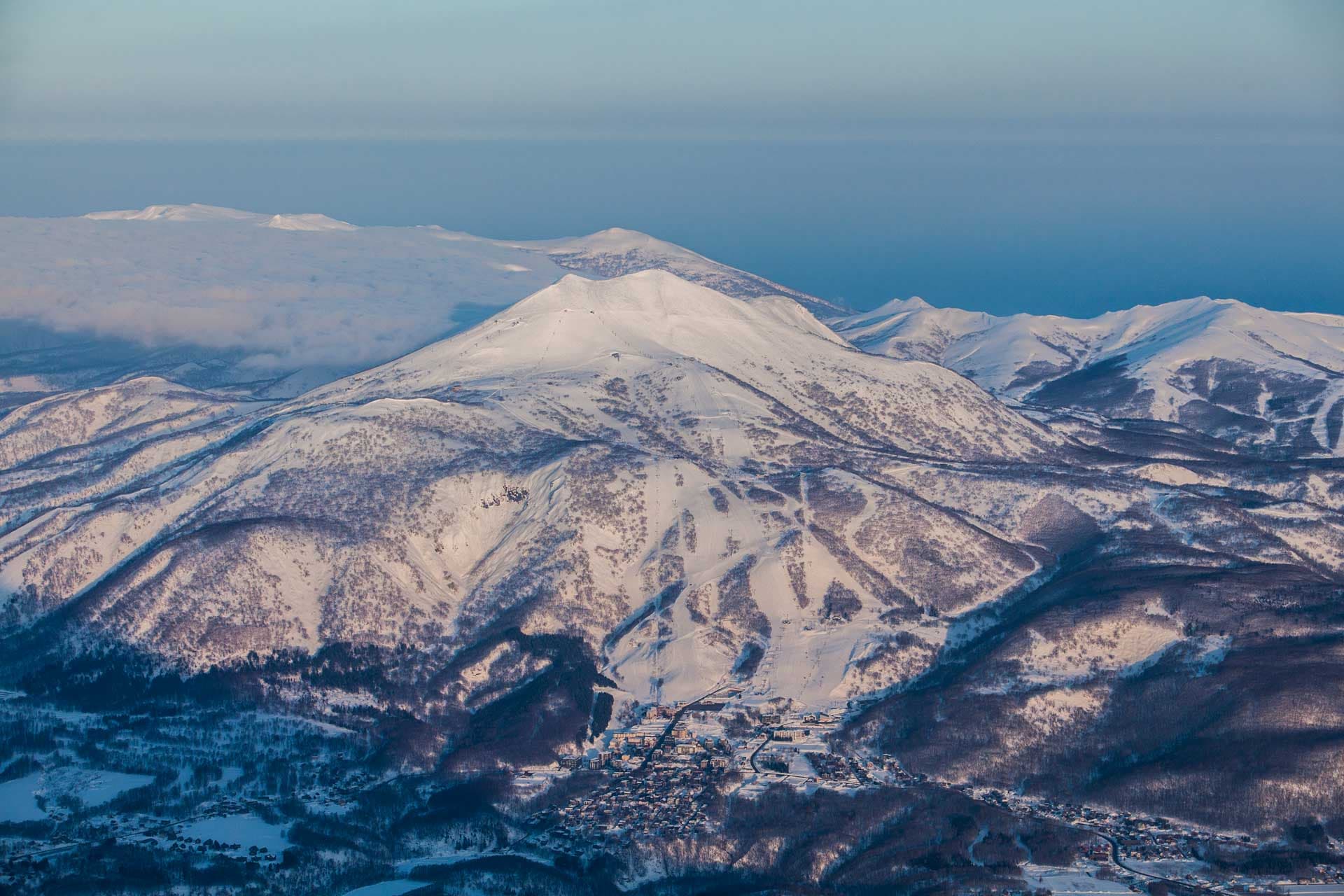
The Matterhorn viewed from the Gornergrat railway above Zermatt — one of the most iconic backdrops in skiing
Switzerland has two resorts that sit at the top of every serious skier's list, and they could hardly be more different in character. Verbier is the freeride capital of the Alps — a sprawling network of 412 kilometers of terrain across the 4 Vallees system, anchored by some of the most challenging lift-accessed off-piste in Europe and fueled by a loud, international social scene that runs well past midnight. Zermatt is the Matterhorn resort — a car-free village at the foot of the most photographed mountain on earth, with glacier skiing that climbs to 12,740 feet (3,883m) and a season that stretches from November into May and sometimes beyond. Both are expensive. Both are world-class. But they produce very different ski trips.
This comparison breaks down terrain, snow, village life, logistics, and cost so you can choose the right Swiss destination for how you actually ski and travel.
Terrain and Skiing
Verbier and the 4 Vallees
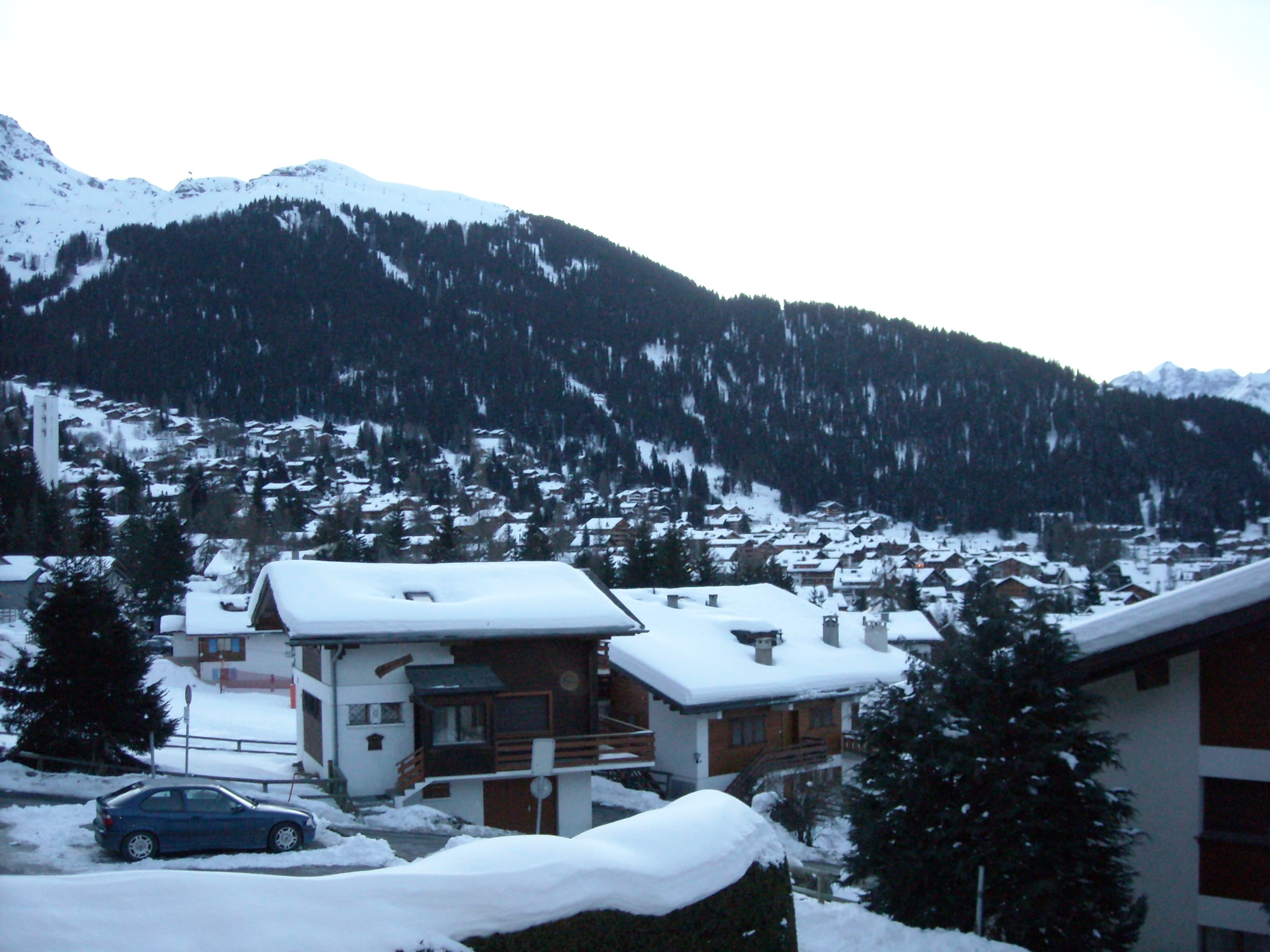
Verbier sits at 4,921 feet (1,500m) and serves as the gateway to the 4 Vallees ski area — the largest interconnected system in Switzerland, stretching across 412 kilometers of marked runs and connecting Verbier with Nendaz, Veysonnaz, Thyon, and La Tzoumaz. The top station at Mont Fort reaches 10,925 feet (3,330m), and the system offers more than 90 lifts. On paper, the 4 Vallees system is enormous. In practice, the interconnections between valleys require some patience and planning, and Verbier's own terrain is where most visitors spend their time.
What makes Verbier legendary is its off-piste. Mont Gele — a peak accessible by a small cable car that carries just four people — opens into steep, exposed couloirs and chutes that sit at the top tier of in-bounds freeride terrain anywhere in the world. The "backside" of Mont Fort, the Stairway to Heaven ridge traverse, and the Col des Mines itinerary routes attract expert skiers from across Europe who treat Verbier as a testing ground. This is not a mountain that flatters intermediate skiers. The marked piste network is adequate but not the main attraction; Verbier's identity is built on what happens between the groomed runs.
For intermediate and lower-level skiers, the satellite areas of Nendaz and La Tzoumaz offer gentler terrain and emptier slopes, but these zones lack the energy and infrastructure of Verbier itself. Beginners should look elsewhere entirely.
Zermatt and the Matterhorn Ski Paradise
Zermatt sits at 5,315 feet (1,620m) and accesses 360 kilometers of piste across the Matterhorn Ski Paradise, which extends into Cervinia and Valtourneige on the Italian side. The Klein Matterhorn cable car delivers skiers to 12,740 feet (3,883m) — the highest lift-served point in the Alps. The vertical drop from the top of the Klein Matterhorn to the village of Zermatt exceeds 7,200 feet (2,200m), one of the longest continuous descents available anywhere.
Zermatt's terrain is remarkably well-balanced. The Gornergrat sector and Rothorn area deliver wide, beautifully groomed intermediate runs with constant Matterhorn views — the kind of cruising that makes you forget about time and just ski. The Schwarzsee area adds some steeper pitches. And for experts, the off-piste is significant: the Stockhorn freeride zone, accessed from a small cable car on the Gornergrat side, drops into serious powder fields and steep chutes that rival anything in the Alps for quality, if not for sheer volume.
The link to Cervinia adds a dimension that no other Swiss resort offers. On a clear day, you can ski from Switzerland into Italy, eat a long Italian lunch with pasta and local wine on a sun terrace, and ski back to Zermatt in the afternoon. It is one of the great experiences in Alpine skiing, and the Italian side also delivers wide, easy runs at altitude that are ideal for intermediates building confidence.
Verdict
Verbier wins for expert freeriders. Zermatt wins for all-round skiing. If your primary motivation is challenging off-piste terrain and you are an experienced skier with the technical ability to handle steep, exposed lines, Verbier is the right mountain. If you want a broader range of terrain, the highest skiing in the Alps, international border-crossing runs into Italy, and slopes that genuinely work for every level from competent intermediate upward, Zermatt is the more complete resort.
Snow and Season
Verbier
Verbier's base elevation of 4,921 feet (1,500m) is low by Swiss standards, and several key runs face south. This combination means that snow conditions at the base can deteriorate quickly during warm spells or sustained sunshine. Mid-mountain and above is typically reliable from December through early April, but the lower runs sometimes require artificial supplement by late season. The glacier terrain on Mont Fort holds snow well, though it represents a small fraction of the total skiable area.
Verbier's season generally runs from late November through the end of April. The best snow conditions arrive in January and February, when cold temperatures keep the snowpack firm at all elevations. March can be excellent for spring skiing on the higher slopes, but the south-facing aspect means afternoons get soft quickly.
Zermatt
Zermatt is the most snow-reliable major resort in Switzerland, and it comes down to altitude. With glacier skiing reaching nearly 12,740 feet (3,883m) and the majority of the ski area sitting above 8,200 feet (2,500m), conditions remain consistent even when lower resorts struggle. The glacier is open for skiing almost year-round — summer skiing runs from June through September, making Zermatt one of the only resorts in the Alps where you can ski in July.
The main winter season runs from November through May, substantially longer than Verbier's. In a strong snow year, the lower runs to Zermatt village stay skiable into late April. But even in lean years, the upper mountain delivers. Zermatt rarely has a bad week above 10,000 feet.
Verdict
Zermatt wins on snow reliability, and it is not close. If snow certainty matters to you — and if you are flying from the US and cannot easily rebook, it should — Zermatt's altitude advantage is decisive. Verbier can deliver outstanding conditions but carries more risk, particularly early and late in the season.

Village and Atmosphere
Verbier
Verbier is accessible by car, and that shapes its character. The village is a mix of modern apartment blocks, traditional chalets, and luxury developments spread across a broad, sunny terrace above the Rhone Valley. It does not have the concentrated, walkable charm of a classic Swiss mountain village. What it does have is energy. Verbier draws a young, international crowd — heavily British and Scandinavian — and the apres-ski and nightlife scene reflects that. Pub Mont Fort is the legendary first stop after skiing, a raucous outdoor terrace where the party starts at 3:30 PM. Farinet bar and its associated nightclub keep things going late. The Farm and Crock No Name offer more refined evenings, but the default mode is social, loud, and fun.
Dining is strong at the upper end — several restaurants hold Michelin recommendations — but day-to-day eating is expensive and unremarkable. A basic burger and beer on the mountain will cost $30-40 USD without blinking.
Zermatt
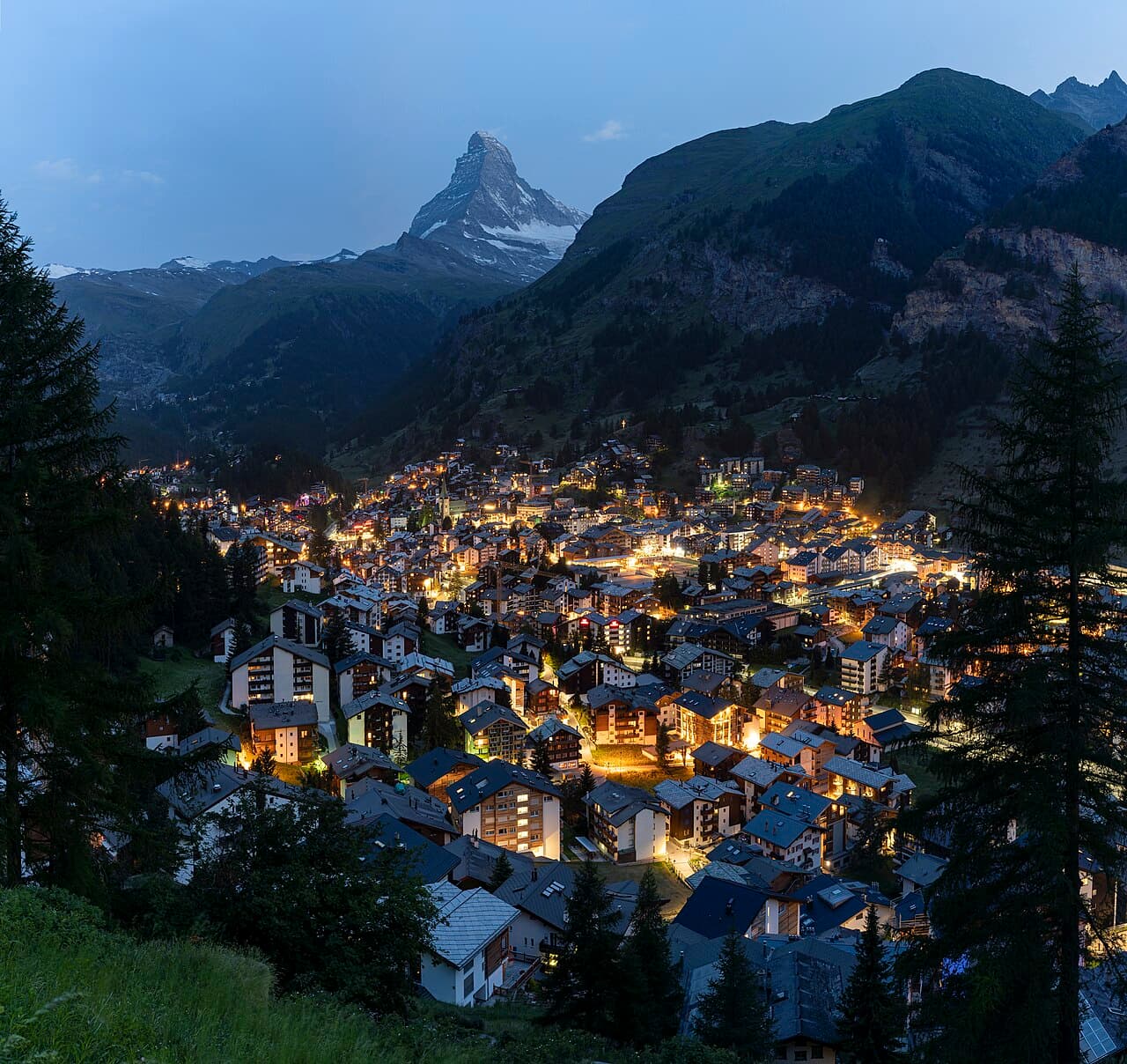
Zermatt is car-free. You park at Tasch, 3 miles (5km) down the valley, and take a shuttle train into the village. Once there, only electric taxis and horse-drawn carriages move through the streets. The result is an atmosphere that feels a century removed from the traffic and noise of a modern ski town. The old village center — narrow streets, dark-timbered Valaisan granaries, small squares — is genuinely charming and walkable in a way that few Alpine resorts manage. And the Matterhorn is visible from nearly everywhere, a constant presence that makes even a walk to the grocery store feel cinematic.
The dining scene is excellent and varied, from traditional Swiss restaurants serving raclette and fondue to Japanese, Italian, and contemporary Alpine cuisine. Zermatt has more Michelin-starred restaurants than any other ski resort in Switzerland. Apres-ski exists — the Hennu Stall on the Sunnegga descent is a popular stop — but the atmosphere tilts toward refined rather than rowdy. Couples, families, and older travelers feel at home here in a way that Verbier's party scene does not always accommodate.
Verdict
Verbier for nightlife and social energy. Zermatt for romance, beauty, and village charm. If you are traveling with a partner or want to feel immersed in a classic Swiss mountain setting, Zermatt is hard to beat. If you are traveling with friends and the apres-ski matters as much as the skiing, Verbier delivers a livelier scene.
Getting There from the US
Verbier
Fly to Geneva (GVA), which has direct service from New York (JFK), Washington (IAD), and seasonal connections from other US cities. From Geneva, the drive to Verbier takes approximately 2 hours via the Rhone Valley. Car rental is practical and gives you flexibility, though parking in Verbier during peak season requires advance booking. Alternatively, a train from Geneva Airport to Le Chable (about 2.5 hours with one change in Martigny) connects to a cable car that lifts you directly into the resort center — one of the more dramatic arrivals in skiing.
Zermatt
Zermatt also uses Geneva as its primary gateway from the US, but the journey is longer: approximately 3.5 hours by car to Tasch, where you must park and transfer to the Zermatt shuttle train (12 minutes). Zurich (ZRH) is an alternative gateway at a similar distance. The train journey from either city is scenic and well-timed, with connections running through Visp on the Matterhorn Gotthard Bahn. Many travelers consider the train ride — through the upper Rhone Valley and into the narrow Matter Valley — to be part of the experience rather than a chore.
The critical logistical difference: you cannot drive to Zermatt. The village is closed to combustion vehicles. You must park at Tasch and take the shuttle. This adds a step to arrivals and departures and means large luggage transfers require some planning.
Verdict
Verbier is easier to reach and offers car access. Zermatt requires more planning but rewards the journey. If you want to rent a car at Geneva and drive to your doorstep, Verbier accommodates that. If you are comfortable with trains and do not mind an extra hour of travel, Zermatt's journey is straightforward and scenic, but it demands acceptance of its car-free reality.
Cost Comparison
Both Verbier and Zermatt rank among the most expensive ski resorts in Europe. Switzerland's high wage economy means that food, services, and accommodation cost substantially more than equivalent offerings in France or Austria. Between the two, Zermatt runs slightly higher.
Daily Cost Estimates (per person, approximate)
| Expense | Verbier | Zermatt |
|---|---|---|
| Lift pass (daily) | $75–85 (CHF 67–75) | $85–95 (CHF 76–85) |
| Equipment rental | $45–65 | $50–70 |
| On-mountain lunch | $25–40 | $30–45 |
| Mid-range accommodation (per night) | $250–450 | $300–550 |
| Dinner | $50–90 | $60–100 |
The 4 Vallees lift pass covers the full 412-kilometer system and represents reasonable value for the terrain accessible. Zermatt's International pass, which includes the Italian side and the Cervinia link, costs more but grants access to 360 kilometers of skiing across two countries.
Accommodation is the largest variable. Verbier has a wider range of options including self-catered apartments that can bring nightly costs down meaningfully for groups. Zermatt's hotel-dominated market offers fewer budget options, and the car-free setting means self-catering is harder to provision unless you plan ahead.
Verdict
Neither is cheap. Verbier offers slightly more flexibility on budget. Self-catered apartments in Verbier can make a meaningful cost difference for groups of four or more. Zermatt's hotel-centric market and higher dining prices make it the more expensive trip overall, though the difference is a matter of degree rather than category.
Who Should Choose Which
Choose Verbier If:
- You are an expert skier or dedicated freerider seeking challenging off-piste terrain
- Nightlife and social energy are important parts of your ski trip
- You want to drive to the resort and maintain car access during your stay
- You are traveling with a group of friends and want self-catered accommodation to control costs
- You prioritize the largest possible ski area and want to explore the full 4 Vallees network
- You have the technical skill to take advantage of what Mont Gele and the itinerary routes offer
Choose Zermatt If:
- You want the iconic Matterhorn experience — there is nothing else like it in skiing
- Snow reliability matters and you want the highest skiing in the Alps
- You are traveling as a couple and village charm and romance factor into your trip
- You are a strong intermediate who wants spectacular groomed cruising at altitude
- A long season matters — you are traveling in November, late April, or even summer
- You want to ski across an international border into Italy for lunch
- You appreciate a car-free environment and are comfortable with train logistics
Choose Both If:
Switzerland's rail network makes a split trip feasible. Spend four days in Verbier hitting the off-piste, take the train through the Rhone Valley to Visp, and transfer to the Matterhorn Gotthard Bahn for four days in Zermatt. The contrast between Verbier's freeride intensity and Zermatt's high-altitude grandeur captures two sides of Swiss skiing that complement each other perfectly.
Further Reading
- Best Ski Resorts for Advanced Skiers — Verbier and Zermatt both feature in our expert terrain rankings.
- Best Ski Resorts for Couples — Zermatt's car-free village and Matterhorn views make it a perennial pick.
Browse all Swiss resorts in our resort directory, or use the comparison tool to evaluate Verbier and Zermatt side by side on the categories that matter most to you.
 Resort
Verbier
Switzerland
 Resort
Zermatt
Switzerland
 Article
Best Ski Resorts for Advanced Skiers: Expert Terrain Worldwide
Bored of groomed runs? These are the ski resorts that challenge, surprise, and reward advanced skiers — from the off-piste of Chamonix and Verbier to the freeride zones of Japan and the Americas.
 Article
Best Ski Resorts for Couples: Romantic Destinations Worldwide
Whether you want a cozy Alpine village or a sleek mountain retreat, these are the world's best ski resorts for couples — ranked by atmosphere, romance, and shared experience.
More Guides