WhistlerPark CityEpic PassNorth America skiingski trip comparisonBritish ColumbiaUtahmegaresorts
Whistler vs Park City: Comparing North America’s Megaresorts
The Mountain Marker Team11 min read
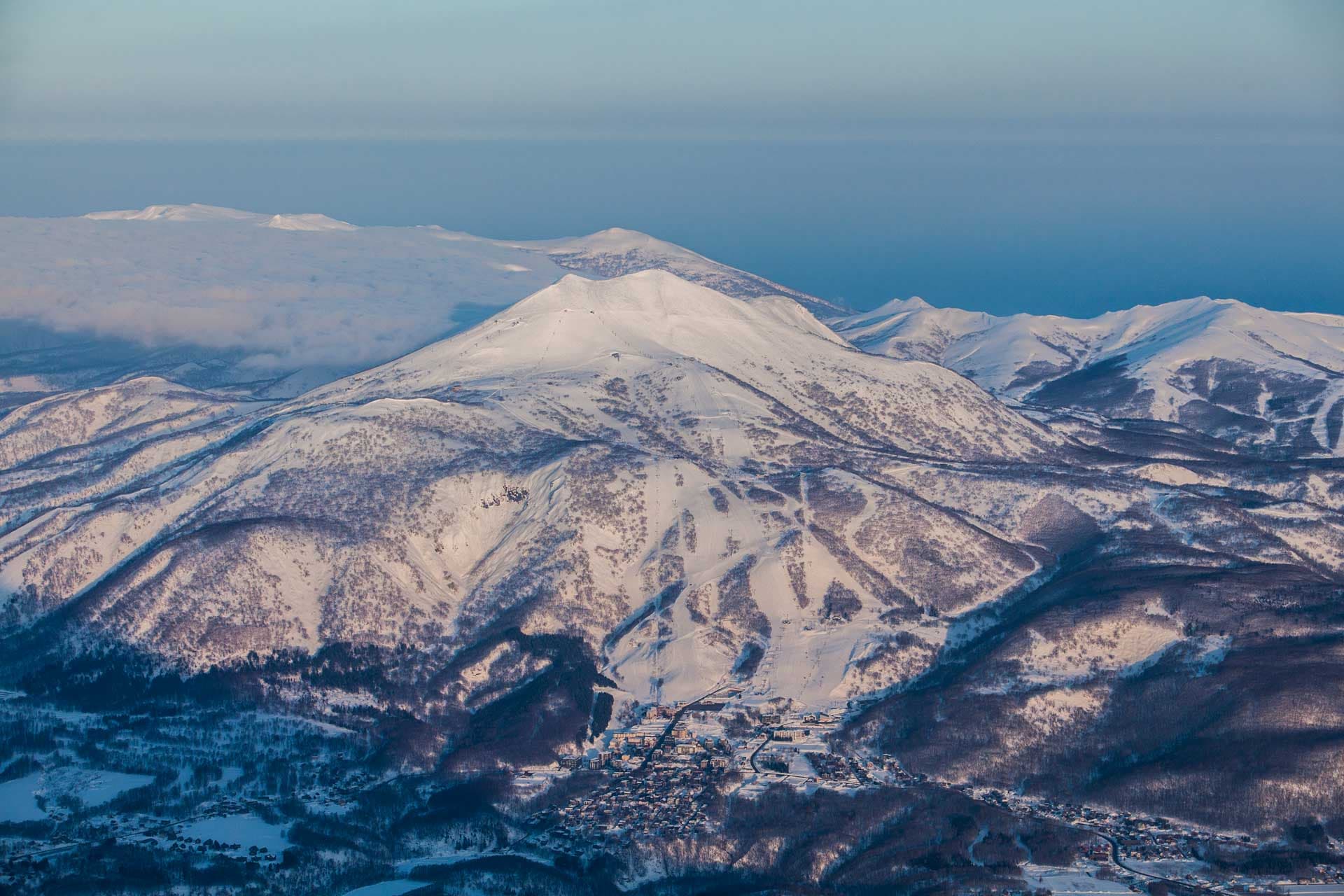
Whistler Blackcomb in British Columbia — North America's largest ski resort
North America has two ski resorts that genuinely operate at a different scale from everything else on the continent. Whistler Blackcomb in British Columbia and Park City in Utah are the two largest ski areas in North America, both anchored on Vail Resorts' Epic Pass, and both surrounded by legitimate resort towns with dining, nightlife, and cultural identity beyond the slopes. They share a price tier, a pass, and an ambition — but they produce fundamentally different ski trips. Whistler delivers the biggest vertical drop on the continent, genuine alpine terrain, and a mountain town that feels earned rather than manufactured. Park City offers the largest skiable acreage in the United States, Utah's famously dry powder, and a transfer from Salt Lake City airport that takes less time than most Americans spend commuting to work.
If you are trying to decide between them — or simply want to understand what each does best — this is the comparison that matters.
Terrain and Skiing
Whistler Blackcomb
Whistler Blackcomb spans 8,171 acres across two mountains linked by the Peak 2 Peak gondola, an engineering landmark that crosses the valley 1,427 feet (435m) above the ground. The resort offers more than 200 marked runs with a vertical drop of 5,280 feet (1,609m) — the largest in North America. The base sits at 2,214 feet (675m) and the peak of Whistler Mountain reaches 7,494 feet (2,284m), with Blackcomb topping out at the same elevation.
The terrain is genuinely alpine in character. Above treeline, wide open bowls, glaciers, and chutes dominate the upper mountain. The Horstman Glacier on Blackcomb and the bowls on Whistler's upper flanks offer the kind of exposed, high-altitude skiing that most North American resorts simply cannot match. Below treeline, the fall line runs are long and sustained, with some top-to-bottom descents exceeding 5,000 vertical feet. The expert terrain here is world class — steep chutes, cliff bands, and backcountry gates that access serious lines. But there is also extensive intermediate terrain, particularly on Blackcomb's mid-mountain and Whistler's lower flanks.
Park City
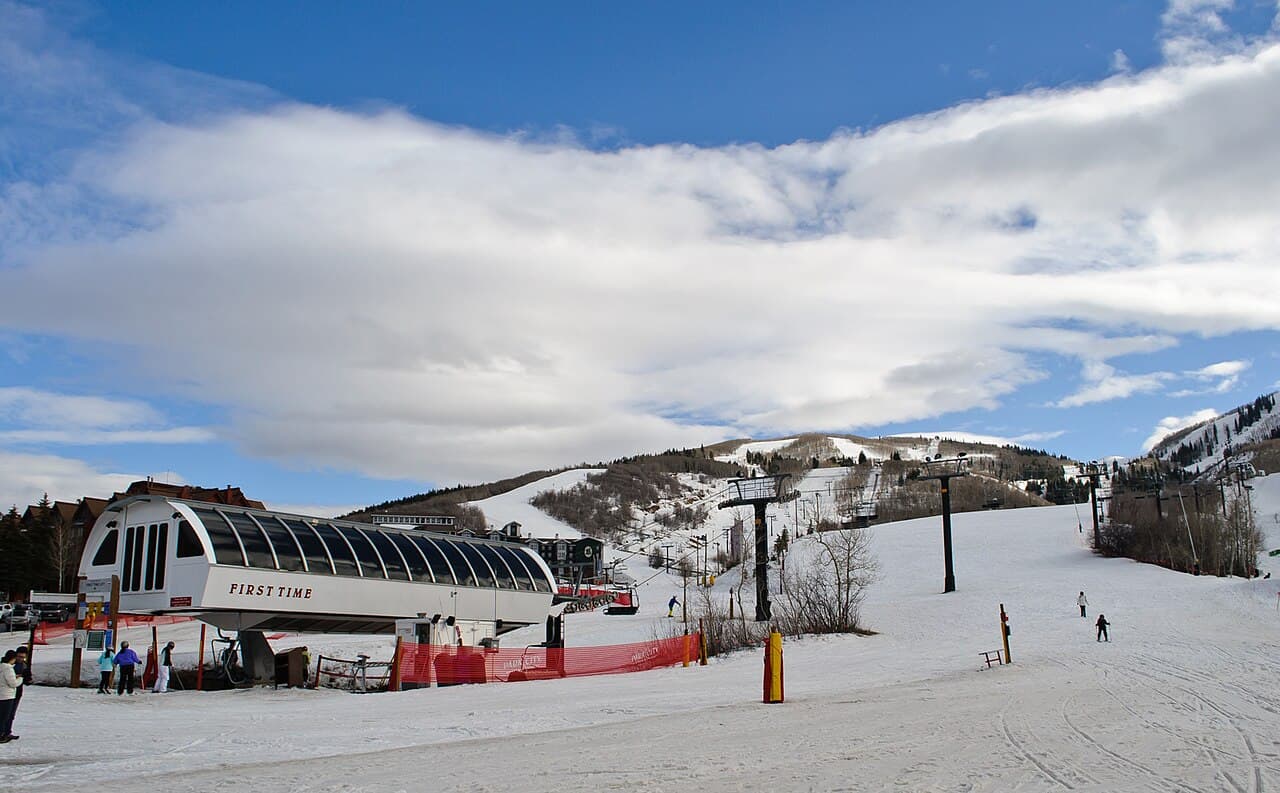
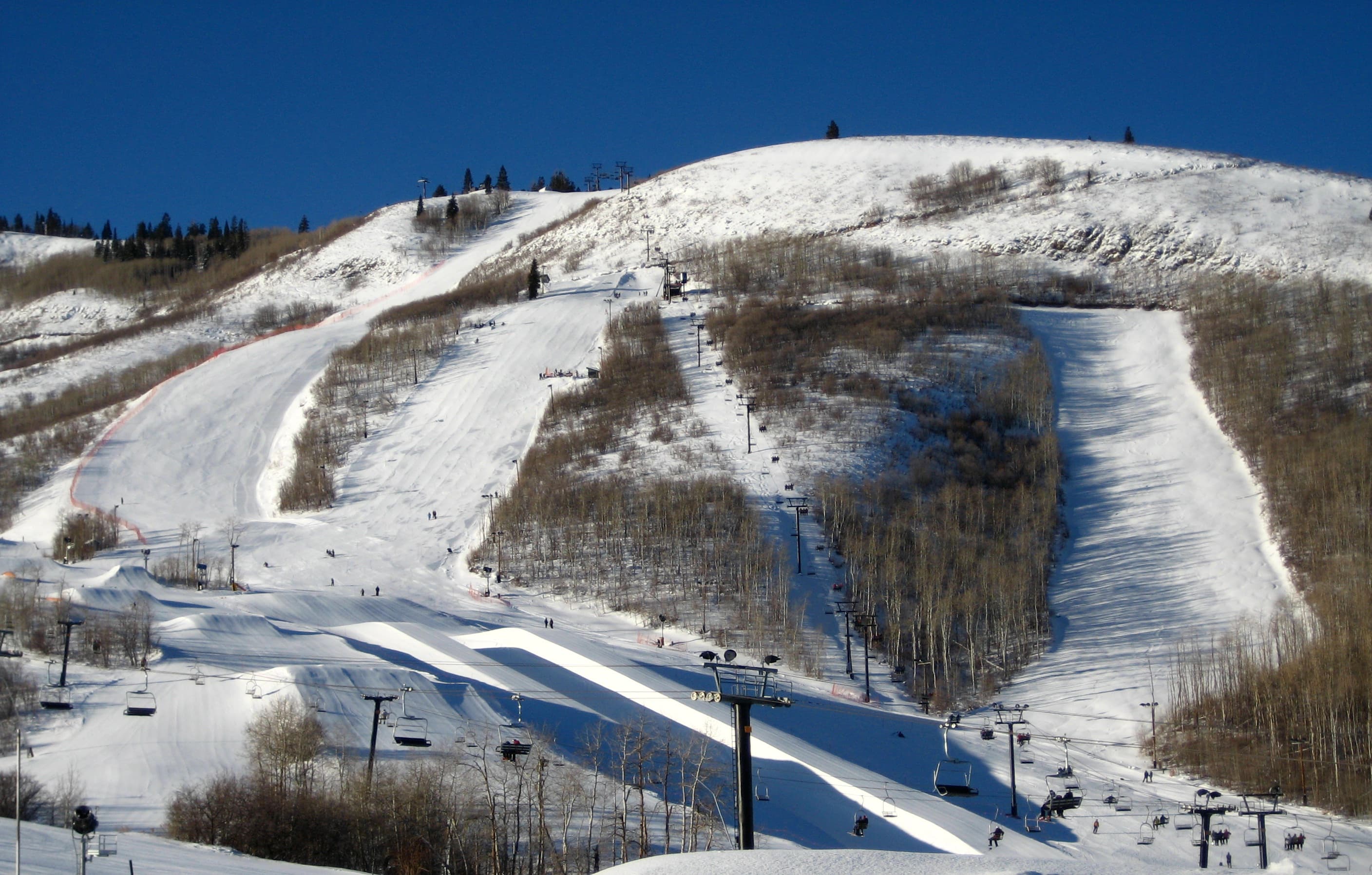
Park City Mountain Resort covers 7,300 acres with more than 330 marked runs — the largest ski resort in the United States by acreage. The resort is the product of a 2015 merger between the original Park City Mountain Resort and Canyons Resort, connected by the Quicksilver gondola. The base elevation is 6,800 feet (2,073m) and the summit reaches 10,000 feet (3,048m), giving a vertical drop of 3,126 feet (953m).
Park City's terrain profile skews toward groomed intermediate cruising, which is not a criticism — it is one of the best resorts in the world for confident intermediates who want mile after mile of well-maintained corduroy. The Canyons side offers wider, more open terrain with some genuine expert runs in the backcountry-adjacent zones. The Park City side has more tree skiing and shorter, punchier runs. Jupiter Bowl and McConkey's Bowl deliver legitimate advanced terrain, but the resort's reputation as a groomer's playground is well earned. The sheer number of runs means you can ski for days without repeating yourself.
Verdict
Whistler wins on vertical, alpine terrain, and expert challenge. Park City wins on acreage, run variety, and intermediate cruising. An advanced skier chasing big mountain lines will find more to work with at Whistler. An intermediate skier who wants to log maximum mileage on groomed runs will be happier at Park City. Both resorts are large enough that a week barely scratches the surface.
Snow Quality
Whistler Blackcomb
Whistler averages approximately 38 feet (11.7m) of snowfall annually, which is an enormous number by any standard. The catch is the quality. Whistler sits in the Pacific Northwest maritime snowbelt, which produces heavy, moisture-rich snow — sometimes called "Cascade concrete" by locals who have skied drier climates. When temperatures drop during cold continental outflows, the snow quality improves dramatically and Whistler's powder days rival anywhere in North America. But warm spells can push rain to the base area, particularly in December and March. The higher alpine terrain stays cold and holds snow well, but the base area at 2,214 feet (675m) is vulnerable to temperature swings.
The volume of snow makes up for a lot. Even when the snow is heavy, there is so much of it that the skiing remains excellent. And on cold-temperature days — which are frequent in January and February — Whistler's upper mountain delivers outstanding conditions across vast terrain.
Park City
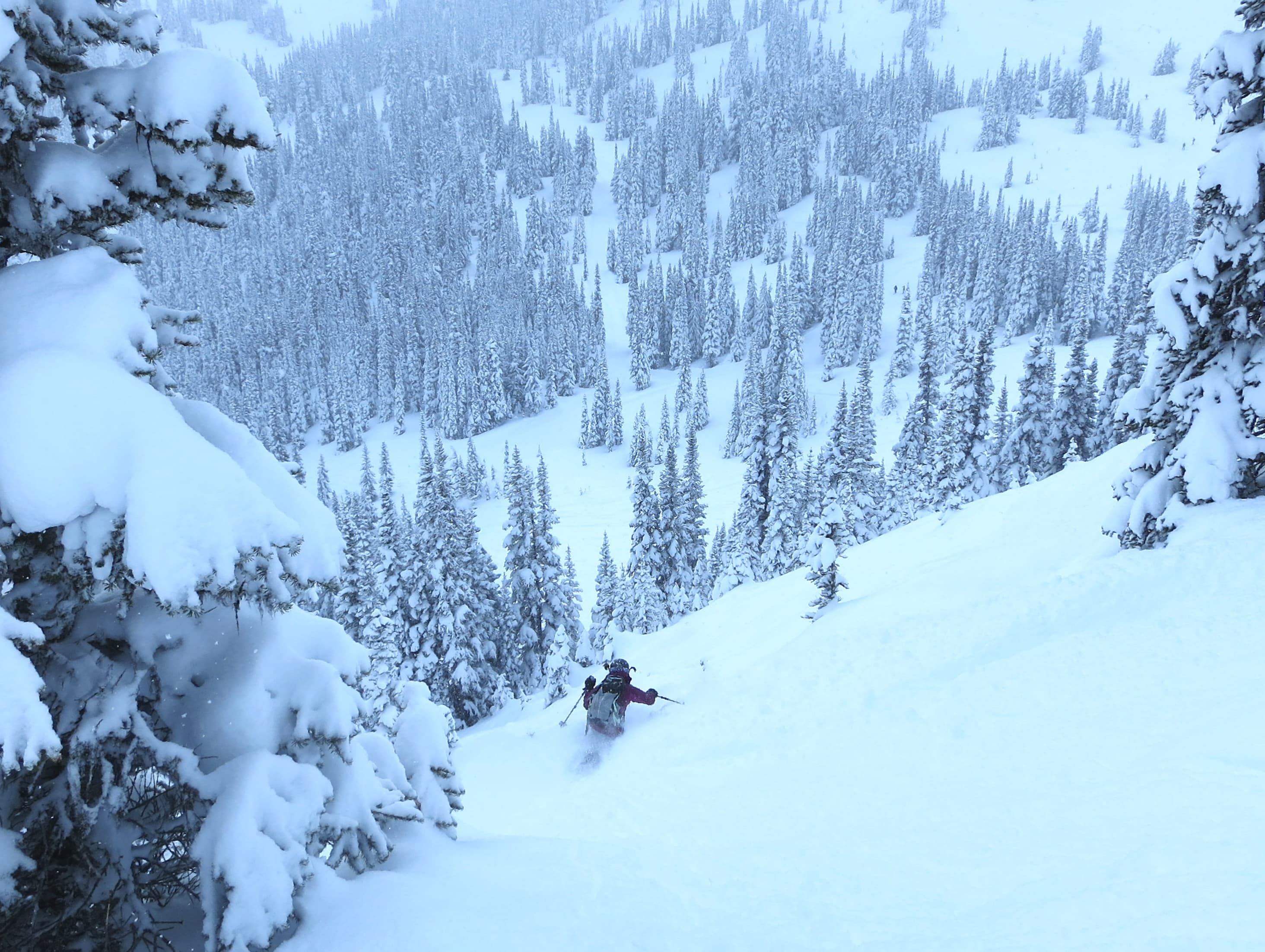
Park City receives approximately 35 feet (9m) of snow annually. That is less than Whistler in raw volume, but the quality is consistently superior. Utah's inland position and the moisture-stripping effect of the Great Salt Lake produce snow with remarkably low water content — the state's "Greatest Snow on Earth" trademark is marketing, but it is not wrong. Park City's base elevation of 6,800 feet (2,073m) keeps temperatures cold enough that rain is almost never a factor during the core season. The snow falls light, stacks up quickly, and stays dry on the slopes.
The consistency is the real advantage. At Whistler, you might get world-class powder one day and heavy, wet accumulation the next. At Park City, the snow quality stays within a narrower, reliably excellent range. Park City does not get the deepest single-storm dumps in Utah — the Cottonwood Canyon resorts (Alta, Snowbird) sit closer to the lake effect and receive 20–30% more snow — but Park City's snow quality is a clear step above the Pacific Northwest.
Verdict
Park City wins on snow quality and consistency. Whistler wins on volume — it simply gets more snow. If you are planning a trip and want the highest probability of skiing dry, light powder on any given day, Park City is the safer bet. If you are comfortable with a wider range of conditions and want the biggest snowpack, Whistler delivers.
The Town
Whistler Village
Whistler Village was purpose-built as a pedestrian resort village, developed substantially for the 2010 Winter Olympics. It could easily feel sterile — and in its early years, it did — but decades of organic growth have given it a genuine mountain town identity. The Village Stroll is car-free and lined with restaurants, bars, and shops. The dining scene is legitimately strong, ranging from upscale Pacific Northwest cuisine to casual ramen joints and taco spots. The apres-ski culture is well established: the GLC, Longhorn Saloon, and Merlin's at the base of Blackcomb are institutions.
Beyond the resort core, the broader Whistler community includes permanent residents, a functioning local economy, and year-round activity. It is a real town that happens to contain a world-class resort, not a resort pretending to be a town.
Park City
Park City has something Whistler does not: genuine history. Main Street dates to the 1880s silver mining boom, and the restored buildings now house independent restaurants, galleries, and bars with authentic character. The town hosts the Sundance Film Festival each January, which gives it a cultural identity well beyond skiing. The dining is varied and high quality, with options ranging from fine dining to craft breweries to straightforward mountain food.
Park City's proximity to Salt Lake City (35 minutes by car) also means access to a metropolitan area's worth of dining, entertainment, and services. This is unusual for a ski resort — most mountain towns are isolated by geography. Park City functions as both a standalone destination and a suburb of a major city, which gives it flexibility that few resorts can match.
Verdict
Park City wins on character and history. Whistler wins on pedestrian village design. If walkability and a car-free resort core matter to you, Whistler's village is better designed. If you value historic architecture, cultural events, and the option to escape into a nearby city, Park City has more depth.
Getting There
Whistler
Fly to Vancouver International Airport (YVR). The drive to Whistler takes approximately 2 hours via the Sea-to-Sky Highway, one of the most scenic roads in North America — a winding route along Howe Sound and through the Coast Mountains. Shuttle services and rental cars are both viable options. Vancouver itself is a major international hub with nonstop flights from most large US cities, so the first leg is straightforward.
The total door-to-door time from a US airport to your Whistler hotel will typically run 5–7 hours including flight, customs, and the drive. You are entering Canada, so a valid passport is required, and any border-related delays add time.
Park City
Fly to Salt Lake City International Airport (SLC). The drive to Park City is 35 minutes. That number is not aspirational marketing — it is genuinely 35 minutes from baggage claim to the resort base, traffic permitting. SLC is a Delta hub with nonstop service from most major US cities, and the airport completed a major terminal renovation in 2024 that makes the arrival experience smooth.
This is one of the shortest airport-to-resort transfers in North American skiing. You can land at lunchtime and be skiing by early afternoon. No passport required. No customs. No 2-hour mountain drive.
Verdict
Park City wins decisively on access. The 35-minute transfer from SLC is a genuine competitive advantage that affects trip planning in material ways. You can fly in the morning and ski the same day. At Whistler, you lose half a day to travel even under optimal conditions. For families with young children or travelers with limited vacation time, this difference matters more than almost any other factor.
Cost Comparison
Both resorts sit on the Epic Pass, which costs $1,119 for a full adult season pass for 2026/27 (price as of August 2026; Vail steps pass pricing up through the autumn, so check the current figure before you buy). If you are planning to ski more than five or six days in a season across any combination of Vail Resorts properties, the season pass is the obvious move. Day tickets at either resort exceed $200 during peak periods, so the pass pays for itself quickly.
Daily Cost Estimates (per person, approximate)
| Expense | Whistler | Park City |
|---|---|---|
| Day lift ticket (peak) | $220–250 CAD (~$160–180 USD) | $220–260 USD |
| Equipment rental | $60–80 CAD (~$45–60 USD) | $50–70 USD |
| On-mountain lunch | $25–35 CAD (~$18–25 USD) | $18–28 USD |
| Mid-range accommodation (per night) | $300–500 CAD (~$220–370 USD) | $250–450 USD |
| Dinner | $50–80 CAD (~$37–60 USD) | $40–75 USD |
Whistler's costs are quoted in Canadian dollars, and the exchange rate introduces variability. At current rates, Whistler is modestly more expensive than Park City across most categories, though the gap narrows when the Canadian dollar weakens. Accommodation is the largest expense at both resorts, and both are firmly in the "premium" tier for North America.
Park City holds a structural cost advantage: you can stay in Salt Lake City and commute to the slopes, which opens up hotel, Airbnb, and dining options at substantially lower prices than the resort itself. A good hotel in SLC runs $120–180 per night. That option does not exist at Whistler, where there is no nearby city to serve as a budget base.
Verdict
Park City offers more flexibility on cost, though neither resort is cheap. Both are premium-priced destinations. Park City's SLC proximity gives budget-conscious travelers an escape valve that Whistler simply does not have.
Who Should Choose Which
Choose Whistler If:
- You are an advanced or expert skier seeking big vertical, alpine bowls, and glacier terrain
- You want the largest vertical drop in North America — 5,280 feet of continuous descent
- The mountain town atmosphere matters and you prefer a pedestrian village you can walk everywhere
- You are combining the trip with time in Vancouver, one of North America's great cities
- You have skied extensively in the western US and want something that feels different — Whistler's coastal alpine terrain has a character all its own
- You are an international traveler already flying across the Pacific and Vancouver is a natural gateway
Choose Park City If:
- You are an intermediate skier who wants maximum groomed terrain and run variety
- Easy airport access is a priority — the 35-minute SLC transfer is unmatched among major resorts
- You are traveling with family and want reliable dry snow, varied terrain, and the option of non-ski activities in a historic town
- Budget flexibility matters and the option to stay in Salt Lake City appeals to you
- You value consistently dry, light Utah powder over higher volume but variable Pacific Northwest snow
- You want to combine skiing with the Sundance Film Festival or other Salt Lake City cultural offerings
Choose Both If:
The Epic Pass covers both resorts. If you have the flexibility for two trips in a season, skiing Whistler in January for its peak snowfall and Park City in February or March for its reliable conditions and sunshine is an outstanding combination. The contrast between Whistler's raw alpine scale and Park City's polished resort efficiency makes each trip better for having experienced the other.
Further Reading
- Europe vs USA Skiing: The Complete Comparison — If you are weighing North American resorts against the Alps.
- Best Ski Resorts for Families in Europe — For families considering a European alternative.
Browse all resorts in our resort directory, or use the comparison tool to evaluate Whistler and Park City side by side on the categories that matter most to you.
 Resort
Whistler Blackcomb
Canada
 Resort
Park City
United States
 Article
Europe vs USA: Where to Ski the 2026/27 Season (El Niño Outlook)
Current ENSO models suggest El Niño returns for winter 2026/27 — favouring California and the Southwest, challenging the Pacific Northwest and northern Rockies. For Europe, altitude trumps ENSO. A booking framework based on April 2026 NOAA and IRI Columbia data.
 Article
Best Ski Resorts for Families in Europe: 2026 Guide
Six European ski resorts that genuinely work for families with kids, ranked by ski school quality, village walkability, beginner terrain, and how much parents actually get to ski.
More Guides