
ski booksskiing books 2026ski memoirski instructionski photographyski fictionski guidebooksWarren MillerDoug Coombs
The Best Ski Books to Read in 2026
The Mountain Marker Team9 min read
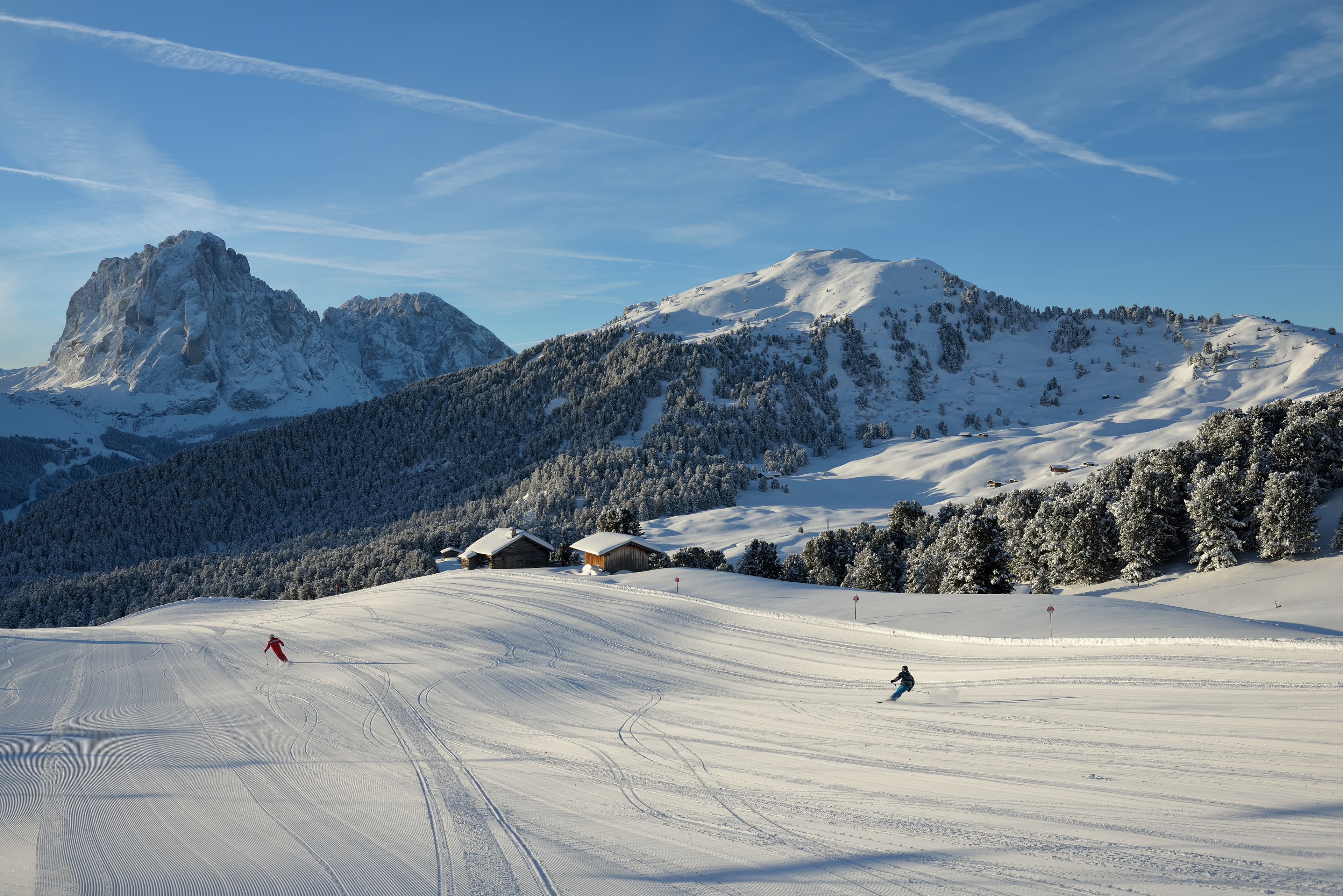
Alpine panorama in winter — the next best thing to being on the mountain is reading about it
Whether you are dreaming of your next European trip or stuck at a desk during the long months between seasons, a good ski book does something a social media clip never can — it puts you inside the experience. These are the ski books worth your time in 2026, organized across five categories: memoir and adventure, instruction and technique, photography and coffee table, fiction and literary, and guidebooks. Some are new. Most are not. The best ski writing ages like a chairlift — it just keeps working.
Memoir & Adventure
The best ski memoirs do more than describe turns. They capture why people structure their entire lives around sliding downhill on snow, and the consequences — beautiful and brutal — of that obsession.
"Freedom Found" by Warren Miller
Warren Miller spent sixty years filming ski movies that introduced millions of Americans to the sport, and his autobiography is exactly what you would expect from someone who once lived in a trailer in the Sun Valley parking lot to be closer to the lifts. Freedom Found covers his early years as a broke filmmaker, his unlikely rise to cultural influence, and his reflections on how the ski industry changed around him. It is charming, occasionally rambling, and deeply personal. Best for anyone who grew up watching Warren Miller films and wants to understand the man behind them. If you have never seen one of his films, start there first — this book assumes you know why he matters.
"Tracking the Wild Coomba" by Robert Cocuzzo
Doug Coombs was arguably the most talented all-mountain skier of his generation, a two-time US Extreme Skiing Champion who left Alaska to guide in the steep terrain above La Grave, France — where he died in 2006 trying to help a fallen friend. Cocuzzo, who is not himself a serious skier, brings an outsider's eye to the story, and the book is stronger for it. He is less interested in hero worship than in the psychology of risk, the culture of extreme skiing, and the people left behind. Essential reading for anyone planning to ski off-piste in Europe.
"The Fall Line" by Michael Finkel
Finkel follows the Bode Miller-era US Ski Team through a World Cup season, and the result is one of the best pieces of long-form sports writing about competitive skiing. The training regimens, the politics of national team selection, the specific terror of a downhill start gate — Finkel captures all of it with precision. This is the book to read if you have ever watched alpine racing on television and wondered what it actually feels like at 90 miles per hour.
"Deep: The Story of Skiing and the Future of Snow" by Porter Fox
This is the ski book for the person who worries about what skiing will look like in twenty years. Fox, a former editor at Powder magazine, traveled across the American West, the Alps, and Scandinavia to document how climate change is already reshaping the sport. The writing is beautiful, the science is accessible, and the conclusions are sobering without being preachy. If you are planning a European ski trip and want to understand why snow reliability scores matter so much, this book provides the context.
"Fifty Places to Ski and Snowboard Before You Die" by Chris Santella
Santella's format — short destination profiles paired with insider recommendations from local experts — makes this less a book you read cover to cover and more one you keep on the coffee table for trip-planning inspiration. The selection leans international, with strong coverage of European and Japanese resorts alongside North American standards. The photography is solid, and each entry includes practical details about when to visit and what to expect. A good gift for the skier who thinks they have been everywhere.
Ski Instruction & Technique
Ski instruction books face a fundamental problem: skiing is a physical skill, and reading about physical skills is a poor substitute for practice. The best instruction books overcome this by teaching you how to think about your skiing differently, which is something a video lesson cannot always do.
"Ultimate Skiing" by Ron LeMaster
This is the biomechanics bible. LeMaster, a former PSIA examiner, uses sequential photography and detailed anatomical analysis to explain exactly what happens in a well-executed turn — and why most recreational skiers never get there. The book is dense and technical, closer to a textbook than a beach read. It is best suited for strong intermediate to advanced skiers who want to understand the mechanics behind the movements their instructor keeps asking for. If you are the kind of person who reads equipment reviews before buying, you will appreciate this level of detail applied to your actual skiing.
"All-Mountain Skier" by R. Mark Elling
Where LeMaster goes deep on biomechanics, Elling goes wide on practical skill progression. All-Mountain Skier is structured as a series of exercises and drills organized by terrain type — groomed runs, moguls, steeps, powder, crud. Each chapter builds on the previous one, and the progressions are genuinely useful. This is the book for the solid intermediate who can handle blue runs anywhere but feels out of control on anything steeper or deeper. Elling writes clearly and avoids the jargon that makes some instruction books feel like they were written for other instructors.
"Breakthrough on Skis" by Lito Tejada-Flores
Tejada-Flores published the original edition in the 1980s, and it remains one of the most influential ski teaching books ever written. His central insight — that fear, not lack of fitness or talent, is the primary barrier to improvement for most recreational skiers — still holds. The book is structured around the concept of "breakthroughs," specific technical and psychological shifts that unlock new terrain. The writing is warmer and more encouraging than most instruction books, which makes it particularly good for skiers who feel stuck at a plateau and are not sure why.
Photography & Coffee Table
These are the books that sit on the living room table and make guests want to book a ski trip. They earn their shelf space through image quality and design rather than text.
"Ski Style" by Gabriella Le Breton
Ski Style covers the golden age of alpine resort culture — the mid-century hotels, the vintage fashion, the glamorous après-ski scenes that defined places like St. Moritz, Gstaad, and Megève. The photography draws heavily from archives, and the production quality is excellent. This is the book for anyone who is interested in the social history of skiing as much as the sport itself. It pairs well with a first trip to the Alps, where many of these hotels and bars still exist in recognizable form.
"Powder: The Greatest Ski Runs on the Planet" by Patrick Thorne
Thorne, a longtime ski journalist, profiles fifty of the world's best ski runs with large-format photography and firsthand descriptions. The selection is genuinely global — you will find runs in Iran, Lebanon, and India alongside the expected Alps and Rockies entries. The European coverage is particularly strong, and several of the profiled runs are in resorts that American skiers rarely consider. A useful book for trip planning disguised as a coffee table showpiece.
"The Ski Book" by Various Authors
Originally published by the editors of Ski magazine, The Ski Book is a comprehensive visual reference that covers technique, equipment history, resort profiles, and competitive skiing. The photography spans decades, and the editorial tone is more informational than aspirational. It reads like a well-curated museum exhibit about the sport. Best for the skier who wants a single volume that covers everything rather than a narrow slice.
Fiction & Literary
Skiing rarely gets the literary treatment it deserves. The physical intensity of the sport, the mountain settings, and the subculture of resort towns provide raw material that most novelists have ignored. These two books are notable exceptions.
"Downhill" by Kent Nelson
Nelson sets his collection of linked stories in a Colorado ski town, and the skiing is backdrop rather than subject — the real focus is on the lives of seasonal workers, instructors, and locals who exist in the economic shadow of the resort. The writing is quiet and precise, and Nelson captures the strange social dynamics of a place where the permanent population is vastly outnumbered by visitors for half the year. This is literary fiction that happens to be set in a ski town, not ski fiction trying to be literary.
"The Ski Jumper" by Peter Geye
Geye's novel follows a former ski jumper in Minneapolis who revisits his past through a manuscript left by his late father. The ski jumping scenes are vivid and specific — Geye clearly did his research — but the book is ultimately about family, memory, and the stories we tell ourselves about who we used to be. It is a winter novel in every sense, and the Minnesota cold is as much a character as the protagonist. Best for readers who want a serious novel that happens to involve skiing rather than a thriller set on the slopes.
Guidebooks
Printed guidebooks have a shelf life problem — lift prices change, lifts get replaced, hotels open and close. But the best ones provide depth and editorial judgment that even the most detailed website struggles to match.
"Where to Ski and Snowboard" by Chris Gill and Dave Watts
This annual guide, published in the UK, is the closest thing the ski world has to a comprehensive resort bible. Gill and Watts have personally visited nearly every resort they review, and their assessments are candid, specific, and sometimes blunt. The European coverage is exhaustive, with detailed breakdowns of terrain, lift systems, accommodation options, and village character for hundreds of resorts. The format is dense — this is a reference book, not a page-turner — but no other single volume provides this level of comparative detail. Essential if you are choosing between several European resorts and want honest editorial judgment.
Country-Specific Guides
For deeper dives, look for country-specific guidebooks from publishers like Cicerone (UK) and Rother (Germany). These tend to focus on ski touring and backcountry rather than lift-served skiing, but they provide topographic detail and route descriptions that no resort website offers. The Cicerone guides to the French and Swiss Alps are particularly well-regarded.
If you prefer a digital-first approach, that is exactly what we built Mountain Marker to be — a resort directory that stays current, scores resorts across fifteen categories, and is written specifically for American skiers planning European trips. We are biased, obviously, but a printed guidebook and a live directory serve different purposes, and having both is better than having either one alone.
Further Reading on Mountain Marker
If any of these books have you itching to plan a trip, these guides are a practical next step:
- How to choose the right ski resort — our framework for matching your skiing ability, budget, and travel preferences to the right European resort.
- Complete guide to planning a ski trip from the US — flights, transfers, packing, insurance, and everything else you need to sort before you go.
 Article
How to Choose the Right Ski Resort: A Complete Comparison Guide
With hundreds of European ski resorts competing for your attention, choosing the right one is the decision that shapes your entire trip. Here is a systematic framework for getting it right.
 Article
Complete Guide to Planning a Ski Trip to Europe from the US
Everything you need to plan a European ski holiday from the US — from booking flights and choosing a resort to budgeting, packing, and handling jet lag. A step-by-step timeline so nothing falls through the cracks.
 Article
First-Time Ski Holiday Checklist: What to Book, Pack & Know Before You Go
The complete first-time ski holiday checklist — what to book, what to pack, how much it costs, resort picks for beginners, and the etiquette rules nobody tells you. Everything you need so nothing catches you off guard.
 Article
The Best European Ski Resorts for American Families
Europe's ski resorts offer something American mountains rarely can — ski-in/ski-out villages, centuries of alpine culture, and interconnected terrain that makes a week feel like an adventure. Here's where to take your family first.