
South America skiingski season timingChile skiingArgentina skiingwhen to skisnow conditionsski trip planning
Best Time to Ski South America in 2026: Month-by-Month Guide
The Mountain Marker Team9 min read
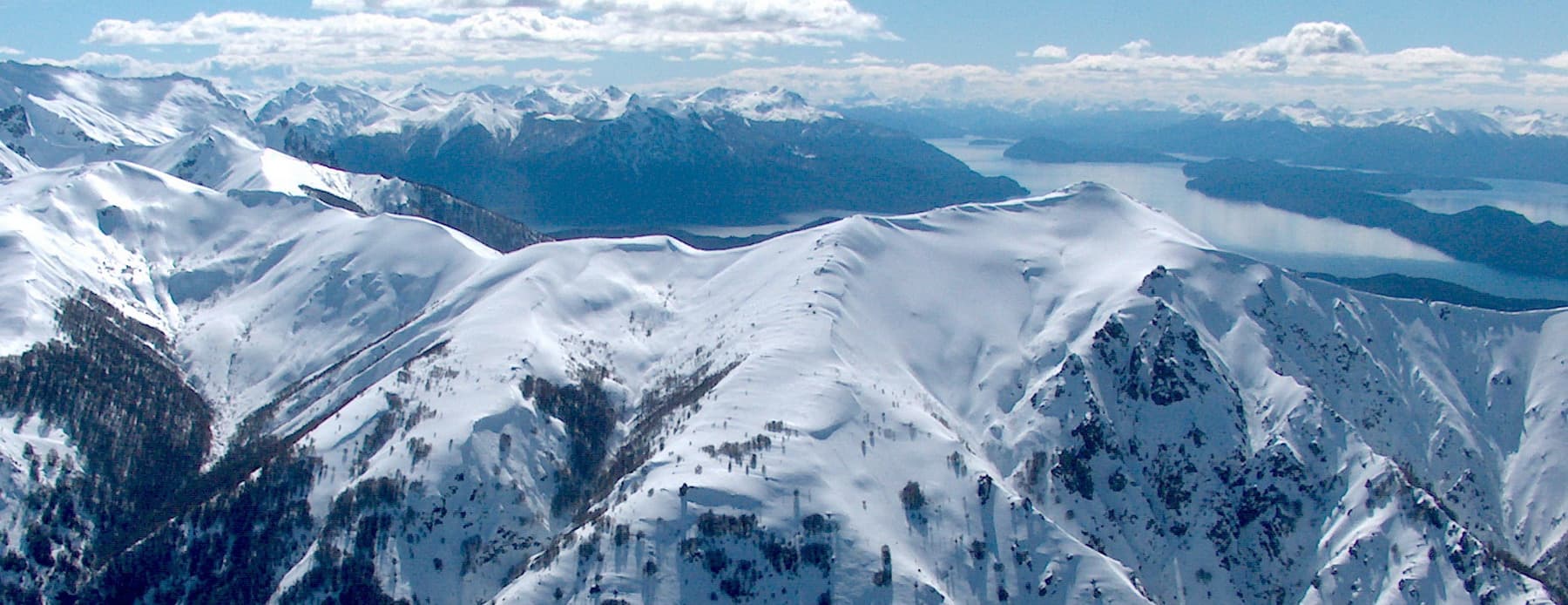
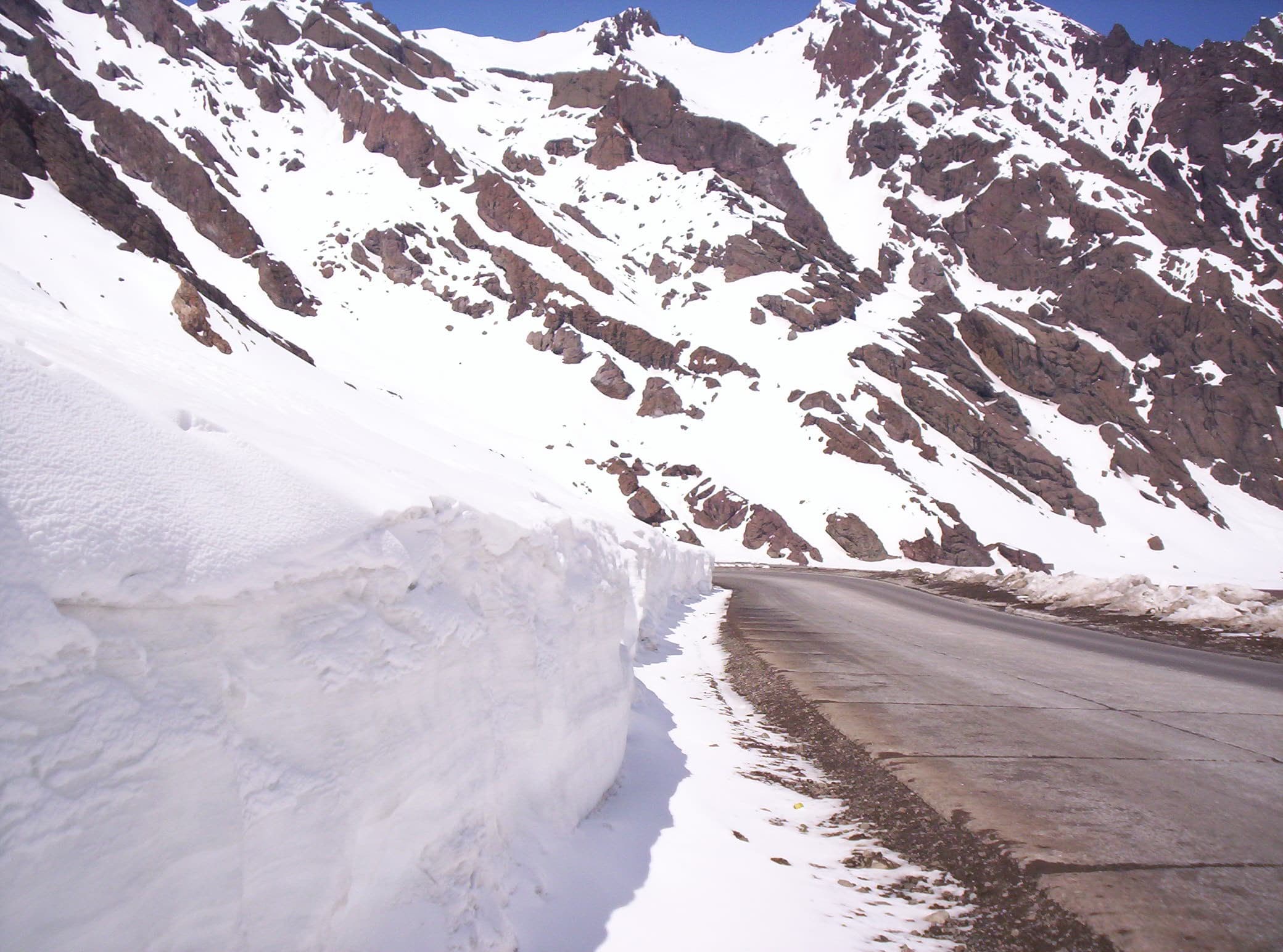
Andean skiing — June to October, no crowds, real altitude
The best time to ski South America is late July through August. That's when snow coverage peaks at most resorts, temperatures stay cold enough to preserve conditions, and the worst of the Argentine school holiday crowds have cleared. But every month from June through October has its advantages — and its trade-offs. Here's what to expect across the entire season.
The Season at a Glance
The South American ski season mirrors the Southern Hemisphere winter: June through October. But "the season" is misleading — conditions vary dramatically by month, by resort, and by altitude. A July powder day at Las Lenas is a completely different experience from October spring skiing at Portillo.
The core season (reliable snow at most resorts) runs mid-June through mid-September. Before and after that window, you're relying on specific resorts at higher altitudes or southern latitudes.
Here's the month-by-month breakdown.
June: Early Season
Snow conditions: Building. Higher resorts (Valle Nevado at 3,670m peak, Portillo at 3,310m) typically open in the second or third week of June. Lower resorts like Cerro Catedral (1,050m base) may still be thin. Not all terrain or lifts will be open.
Crowds: Low. Early season attracts locals and committed enthusiasts rather than holiday crowds. You'll have slopes largely to yourself.
Weather: Cold. Temperatures at altitude regularly drop below -10°C. Short days (roughly 9.5 hours of daylight at Santiago's latitude, even shorter in Patagonia). Snowfall is frequent as winter storms establish.
Flight prices: Moderate. June is early Northern Hemisphere summer — transatlantic flights are busy but haven't hit peak pricing yet. Expect to pay toward the lower-middle of the range.
Who should go in June:
- Skiers who don't mind limited terrain in exchange for empty slopes
- Budget travelers looking for early-season accommodation deals
- Anyone combining a ski trip with a broader South American itinerary (the cities are less touristy in June)
Who should avoid June:
- First-timers who want a guaranteed great experience
- Skiers targeting specific terrain that might not be open yet
- Anyone who needs certainty about conditions
Best June resorts: Valle Nevado (highest, opens earliest), Portillo, Cerro Castor (southern latitude means early cold)
July: Peak Season
Snow conditions: The best of the year at most resorts. July typically delivers the deepest snowpack, coldest temperatures, and most consistent conditions. Higher Chilean resorts will have full coverage across all terrain. Argentine resorts are fully operational. This is when Las Lenas' Marte chair is most likely to be running, opening up the expert back bowls.
Crowds: The busiest month — particularly in Argentina. Argentine schools have winter break in the second and third weeks of July, and student groups descend on Cerro Catedral, Las Lenas, and Chapelco in large numbers. These groups are organized, loud, and enthusiastic — they're not aggressive or problematic, but they can make lift queues significantly longer and slopes more crowded than you'd expect at a South American resort.
The Argentine school holiday effect: This is important enough to highlight specifically. In a typical July at Cerro Catedral, the mountain can go from "pleasantly uncrowded" in the first week to "lift queues rivaling a busy European Saturday" in the second and third weeks. If you're a US or European traveler specifically seeking uncrowded slopes, avoid July 10–25 at Argentine resorts. Chilean resorts are affected less because Chilean school holidays fall differently.
Weather: Cold and snowy. The peak of winter. Storms can shut down upper lifts and access roads. The road to Valle Nevado and the Tres Valles resorts has 40 switchbacks and can close after heavy snowfall — exciting if you like adventure, frustrating if you're on a tight schedule.
Flight prices: High. July is peak Northern Hemisphere summer, and transatlantic routes from the US are at their most expensive. Expect to pay at or near the top of the price range for flights. Book at least 3–4 months ahead.
Who should go in July:
- Skiers who prioritize snow quality above all else
- Expert skiers targeting Las Lenas' back bowls (best chance of the Marte chair running)
- Anyone who doesn't mind crowds and wants peak conditions
- Families with school-age children who are locked into July travel
Who should avoid July:
- Crowd-averse travelers (especially at Argentine resorts mid-month)
- Budget travelers (highest flight and accommodation prices)
- First-timers who might find the combination of crowds and weather challenging
Best July resorts: Las Lenas (expert terrain at its best), Portillo (capacity-limited so never feels crowded), Valle Nevado (high altitude, reliable snow, less affected by Argentine holidays)
August: The Sweet Spot
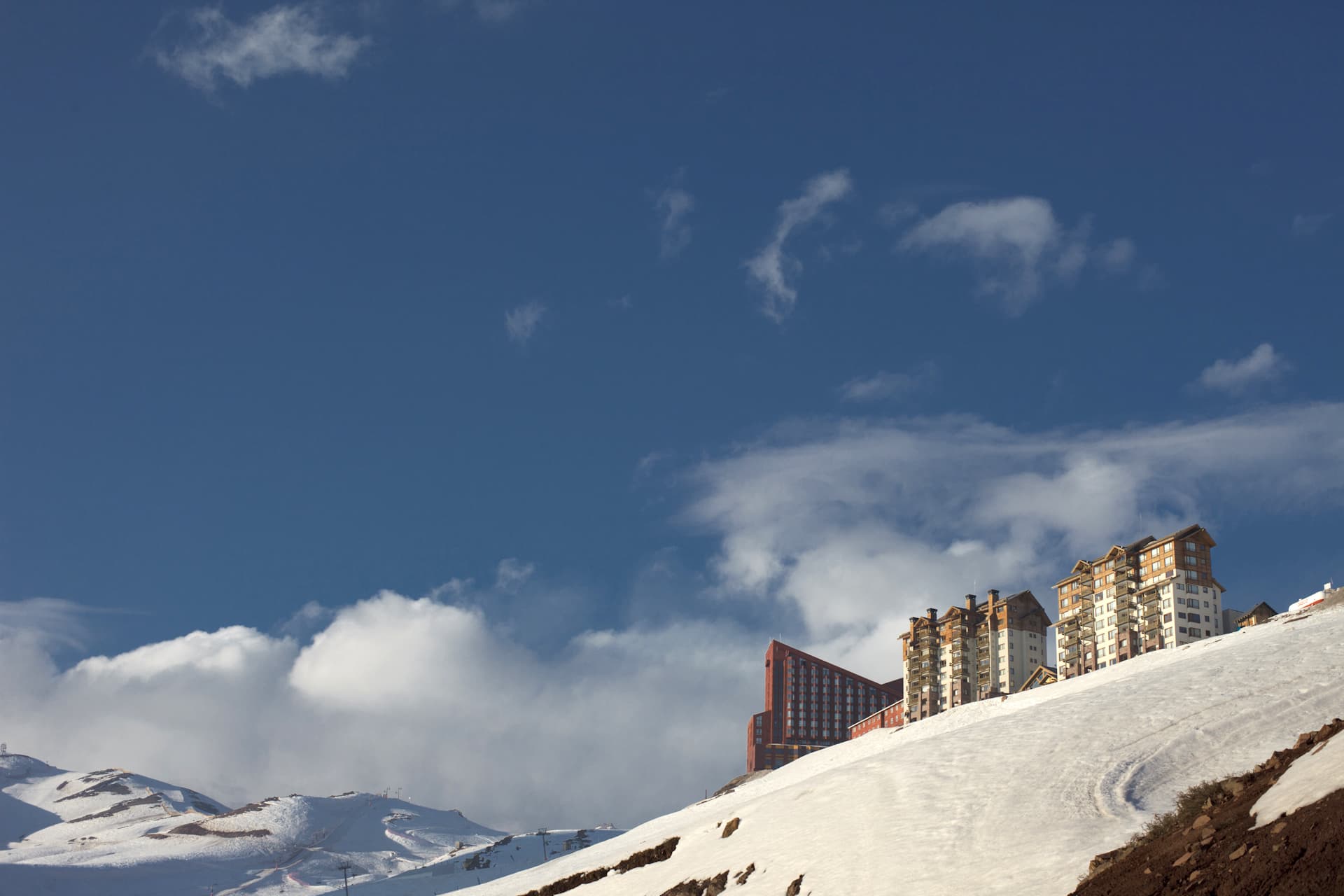
Snow conditions: Excellent. August typically matches July for snow depth and often surpasses it — the snowpack has had an extra month to build. Temperatures remain cold enough to preserve conditions. This is the most consistently reliable month across all resorts.
Crowds: Moderate to moderate-high. The Argentine school holiday surge has passed, and slopes return to more manageable levels. Chilean resorts see steady traffic from Santiago weekenders but nothing unmanageable. Las Lenas and Chapelco feel noticeably quieter than mid-July.
Weather: Still firmly winter, but the extreme cold of July begins to moderate slightly toward the end of the month. Days are getting longer (about 10.5 hours of daylight in Santiago by late August). Storm cycles continue but with slightly more stable periods between systems.
Flight prices: Starting to ease from July peaks. Late August can offer meaningfully better fares as Northern Hemisphere summer travel winds down. This is often the best value period for the quality of skiing you get.
Who should go in August:
- First-time South America skiers (best balance of conditions and crowds)
- Anyone who wants peak-quality snow without peak crowds
- Budget-conscious skiers willing to pay a little more than September for better conditions
- Families who can travel outside school holiday windows
Who should avoid August:
- Skiers on the tightest budgets (September and October are cheaper)
- Spring skiing enthusiasts who prefer warm days and corn snow
Best August resorts: All of them. August is the one month where you can confidently book any resort in Chile or Argentina and expect good conditions. Cerro Catedral returns to uncrowded form, Las Lenas has snow and manageable lift queues, and Valle Nevado is at its best.
September: Spring Skiing
Snow conditions: Transitioning. The snowpack is still substantial at higher resorts, but the character changes. Mornings start cold with firm, fast groomers — often the best corduroy of the season. By midday, the sun softens everything into corn snow: heavy, wet, and sticky in direct sun. The best skiing is early morning (groomed runs) and late morning (soft but still manageable snow in sheltered areas).
Lower resorts start to struggle. Cerro Catedral's lower runs may become patchy. Chapelco's season typically ends in September. Higher resorts — Valle Nevado, Portillo, Las Lenas — remain fully operational.
Corn snow explained: If you've never skied corn snow, it's a specific spring condition where the surface freezes overnight and softens through the morning as the sun warms it. Timed right, corn snow is a delight — smooth, forgiving, and fast. Timed wrong (afternoon slush), it's exhausting. The key is to start early and wrap up by early afternoon.
Crowds: Low. September is the quiet season. Many Argentine and Chilean visitors have wrapped up their ski season, and the resorts feel distinctly calmer. Lift queues are minimal even at peak morning hours.
Weather: Warmer and sunnier than the core winter months. September in the Andes brings longer days, blue skies, and temperatures that can reach 5–10°C at base level by afternoon. The combination of morning skiing and afternoon sunshine creates a very pleasant daily rhythm.
Flight prices: Dropping noticeably. The Northern Hemisphere summer rush is over, and you'll find fares at the lower end of the season range. Accommodation prices also ease at most resorts.
Who should go in September:
- Spring skiing enthusiasts who enjoy corn snow and sunshine
- Budget travelers looking for the best value during the operating season
- Photographers (the light in September is exceptional — long golden hours, clear skies)
- Skiers who prioritize empty slopes over peak conditions
Who should avoid September:
- Powder seekers who want deep, cold snow
- Anyone heading to lower-altitude resorts (conditions may be marginal)
- Skiers who don't enjoy variable snow conditions through the day
Best September resorts: Portillo (stays cold at altitude), Valle Nevado (high base keeps conditions reliable), Las Lenas (excellent high-altitude spring skiing), Cerro Castor (southern latitude extends the cold)
October: Late Season
Snow conditions: Limited. Only the highest and southernmost resorts are still operational. Portillo often runs into mid-October but with reduced terrain. Valle Nevado may close mid-month. Cerro Castor frequently runs the longest, sometimes into late October thanks to its far-southern latitude.
The snow that remains is spring snow — soft, sun-affected, and best in the morning. Lower resorts are closed. Don't come to South America in October expecting a full skiing experience.
Crowds: Very low. You're skiing with locals and die-hards.
Weather: Spring verging on early summer at lower altitudes. Warm, long days. The mountains are beautiful but melting.
Flight prices: The cheapest of the season. Shoulder-season pricing in both directions.
Who should go in October:
- Budget travelers who want the cheapest possible trip
- Skiers combining a late-season visit with other South American travel
- Anyone who specifically wants to ski Cerro Castor and doesn't mind late-season conditions
- Travelers who care more about the destination experience than peak skiing
Who should avoid October:
- Anyone who wants guaranteed skiing (resort closures are possible with short notice)
- First-timers (the reduced experience doesn't represent South American skiing at its best)
- Families relying on ski school and full resort services (may be reduced)
Best October resorts: Cerro Castor (longest season), Portillo (if still open), Valle Nevado (check closing dates before booking)
Flight Pricing by Month
Flight costs from the US East Coast (New York/Miami) to Santiago or Buenos Aires, approximate economy return:
| Month | Approximate Range | Notes |
|---|---|---|
| June | $700–1,200 | Early summer, moderate demand |
| July | $900–1,500 | Peak summer, highest fares |
| August | $800–1,300 | Easing from July peak |
| September | $600–1,100 | Post-summer drop |
| October | $550–1,000 | Shoulder season, best deals |
Booking tips:
- Book 3–4 months ahead for July travel, 2–3 months for other months
- Miami is consistently the cheapest US gateway to both Santiago and Buenos Aires
- Consider open-jaw tickets (fly into Santiago, out of Buenos Aires or vice versa) for a two-country trip
- Midweek flights (Tuesday/Wednesday departures) save $100–200 on average
- Set fare alerts — prices for South American routes fluctuate more than transatlantic European routes
Our Recommendation
For most skiers: Book late July (after the 25th) through August. You get peak-season snow, the Argentine school holiday crowds have dispersed, flight prices are starting to ease, and every resort is fully operational. It's the Goldilocks window.
For budget skiers: September offers the best ratio of conditions to cost. You sacrifice peak powder for sunny spring skiing, but you'll save 20–30% on flights and accommodation versus July.
For expert skiers: Early-to-mid July at Las Lenas, accepting the crowds. The Marte chair is most likely to run in the coldest, snowiest weeks, and the expert terrain requires good coverage.
For families: August at Cerro Catedral or Chapelco. Post-holiday crowds, reliable conditions, real towns with activities for non-skiing days, and Argentine value pricing.
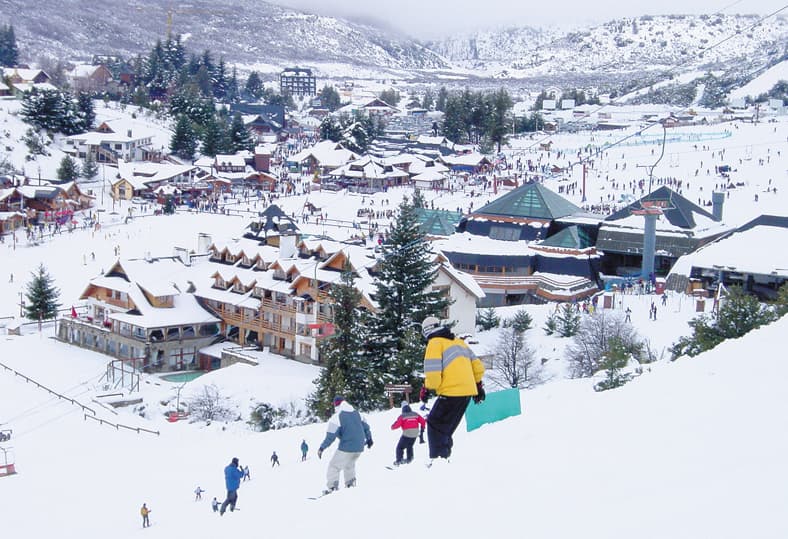
Where to stay in Cerro Catedral
Discover family-friendly accommodation near Cerro Catedral.
Find chalets on VrboSponsored — we earn a small commission when you book through Vrbo. It doesn't cost you more.
Further Reading
- South America Ski Resorts: The Complete Guide — Every resort in Chile and Argentina, with terrain details and practical info.
- Chile vs Argentina Skiing: Which Country Should You Choose? — Side-by-side comparison to help you decide.
- Skiing the Andes: A First-Timer's Planning Guide — Flights, visas, altitude, costs, and what to expect.
Ready to start planning? Browse South American resorts in our resort directory and use the comparison tool to find the right mountain for your trip.
Decided where to go?
Build your itinerary with the trip planner.
 Resort
Portillo
Chile
ResortValle Nevado
Chile
ArticleSouth America Ski Resorts: The Complete 2026 Guide to Skiing in Chile & Argentina
9 ski resorts in Chile and Argentina compared by season, terrain, and cost. Skiing in South America starts from around $1,800 per week including flights from the US.
 Article
Chile vs Argentina Skiing 2026: 9 Resorts Compared
Chile vs Argentina skiing: 9 resorts compared on terrain, snow, cost and access, with budget breakdowns to help you pick the right Andes ski trip for 2026.