

Chile skiingAndes skiingPortilloValle NevadoSouth America skiingsummer skiingski trip planningTres Valles
Skiing in Chile: A Complete Guide to the Andes
The Mountain Marker Team11 min read
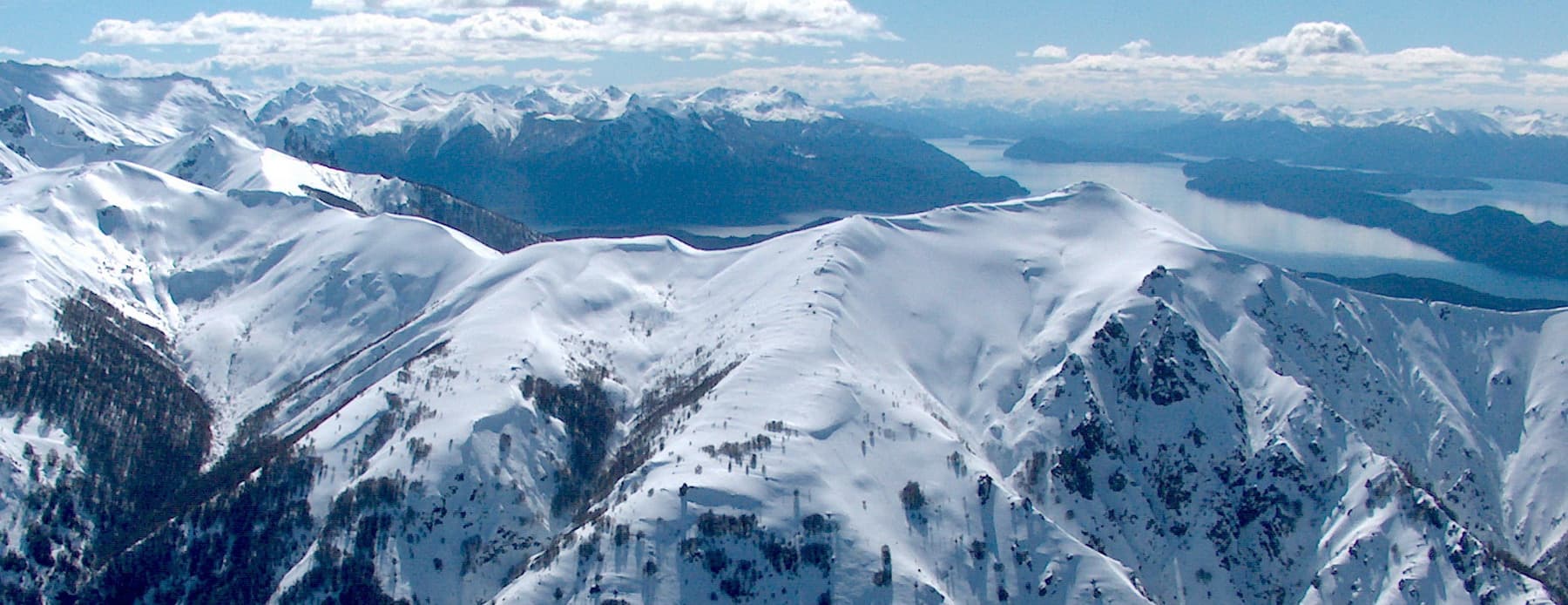
The Andes above Santiago: home to some of the highest lift-served skiing on Earth
Chile offers the highest-altitude skiing in South America, with resorts perched between 7,870 feet and 12,040 feet (2,400m to 3,670m) in the Andes directly above Santiago. The season runs from mid-June through early October, which makes Chile one of the best destinations on Earth for Northern Hemisphere summer skiing. For US skiers accustomed to the Rockies or the Northeast, the Chilean experience is a genuine reset: high-altitude open terrain above the treeline, dry Andean snowpack that skis lighter than anything in Europe, short transfers from a major international airport, and a mountain culture built around long lunches, excellent wine, and uncrowded slopes. If you have ever wanted to extend your ski season into July or August without settling for glacier skiing on a single run, Chile is where you should be looking.
The Resorts
Portillo
Portillo is the oldest ski resort in South America and arguably the most distinctive ski experience on the continent. Sitting at a base of 8,465 feet (2,580m) with a peak of 10,935 feet (3,333m), it occupies a narrow valley beside the turquoise Laguna del Inca, a glacial lake that dominates the landscape and provides one of skiing's most recognizable backdrops. The iconic yellow Hotel Portillo, built in 1949, is the resort's centerpiece and its only major accommodation. This is deliberate: Portillo caps capacity at 450 guests at any one time, and bookings run Saturday to Saturday with a minimum one-week stay.
The skiing is steep, technical, and oriented toward strong intermediates and experts. Portillo's most famous feature is its Va et Vient lifts: slingshot-style rope tows that launch groups of four or five skiers up near-vertical terrain that conventional chairlifts cannot serve. These access chutes and couloirs that would be hike-to terrain at any other resort. The groomed runs are limited in number but well-maintained, and the off-piste opportunities in good snow are outstanding for a resort this size.
The all-inclusive format means meals, lift passes, and most activities are bundled into the weekly rate. This simplifies budgeting but means Portillo is not cheap: expect $2,500 to $4,500 per person for a week depending on room category and season. For the right skier, particularly someone who values uncrowded slopes, a focused ski experience, and a social atmosphere where you eat dinner with the same 450 people every night, Portillo is unlike anything else in the world. For a direct comparison with Chile's largest resort, see our Portillo vs Valle Nevado breakdown.
Valle Nevado
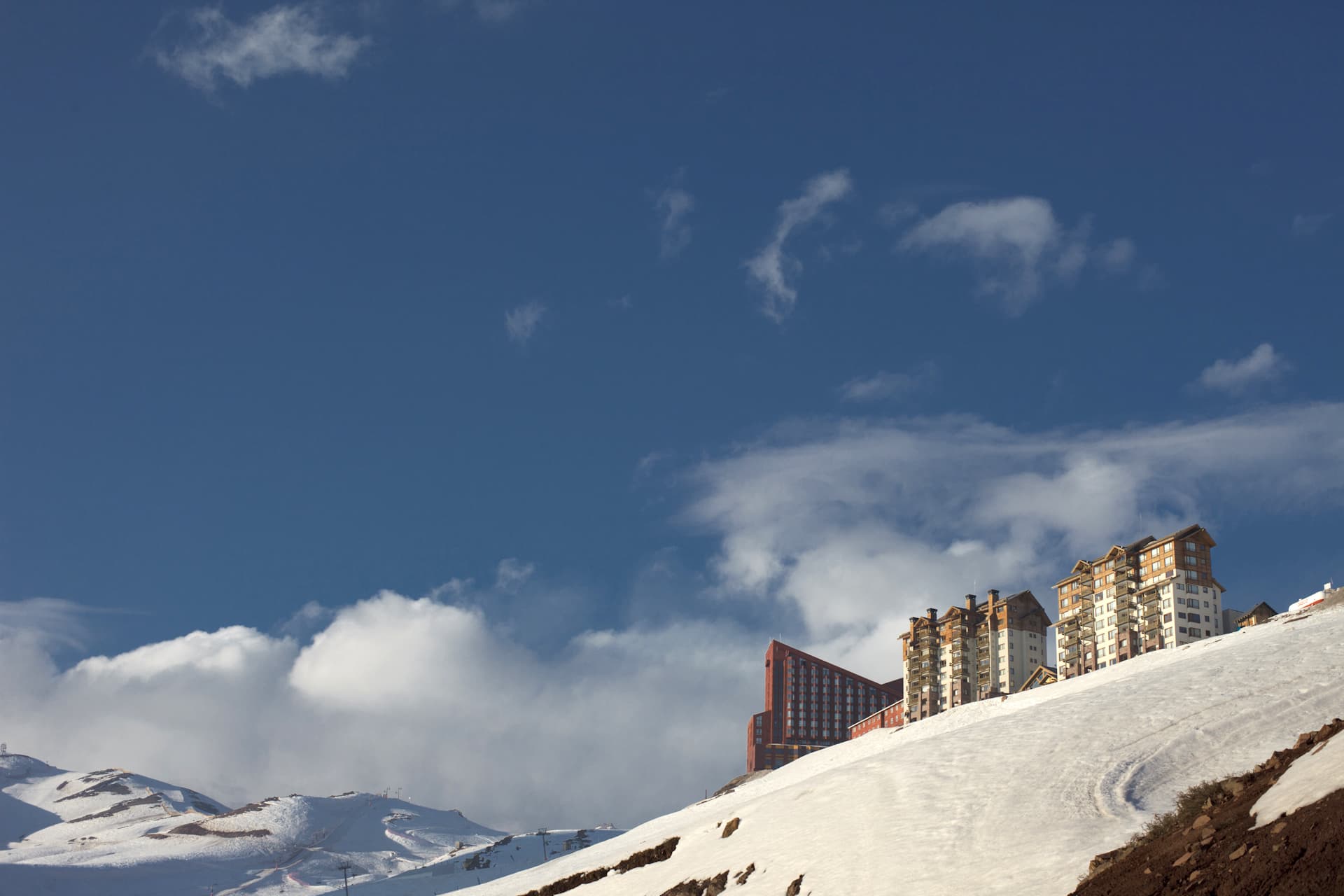
Valle Nevado is Chile's largest and most modern ski resort, with a base elevation of 9,383 feet (2,860m) and a peak of 12,040 feet (3,670m), the highest lift-served skiing in South America. The resort offers over 40 marked runs across 2,200 acres (900 hectares) of skiable terrain, with a mix of wide groomed boulevards, open bowls, and steep chutes off the ridgeline. The infrastructure is relatively modern by South American standards: high-speed quads, a gondola, and well-groomed pistes that would not feel out of place at a mid-tier Colorado resort.
Valle Nevado's strongest card is its position within the Tres Valles system. A combined pass links it with La Parva and El Colorado, creating roughly 100 runs across three resorts, the closest thing South America has to a European-style interconnected ski area. You can ski between Valle Nevado and La Parva on-piste, though the connection to El Colorado requires a short bus ride or off-piste traverse.
The resort also operates one of the most accessible heliskiing programs in the world. For $400 to $700 per run, you can access untracked Andean terrain that rivals the scale of anything in British Columbia, at a fraction of the Canadian price. The heliski operation runs most days when weather permits and does not require multi-day commitments.
Valle Nevado sits just 37 miles (60km) from Santiago, making the transfer roughly one hour in good conditions. This proximity means day-tripping from Santiago is feasible, though staying on-mountain for several days is more rewarding. The resort village is purpose-built and compact: three hotels, a few restaurants, and rental shops. It is functional rather than charming, but the skiing more than compensates.
La Parva
La Parva is the middle resort in the Tres Valles system, with a base at 9,020 feet (2,750m) and 14 lifts serving around 30 runs. It has a different character from Valle Nevado: smaller, quieter, and popular with Santiago families who own weekend condominiums in the base village. The terrain is well-suited to intermediates, with some genuinely good off-piste access for those willing to hike short distances from the top lifts. La Parva's main advantage is value: lift passes and accommodation are cheaper than Valle Nevado, and you still have access to the full Tres Valles network on a combined pass. For US skiers, it works best as a base for skiing the entire Tres Valles system rather than as a standalone destination.
El Colorado and Farellones
El Colorado is the most accessible resort in the Santiago cluster, sitting closest to the city and sharing a base area with the small village of Farellones. It is the most beginner-friendly option in the Tres Valles, with wide, gentle runs at lower elevations and a dedicated learning area. Farellones itself has a handful of restaurants, equipment rental shops, and budget accommodations that make it a reasonable base for families or first-timers. The terrain is limited compared to Valle Nevado, but the Tres Valles pass gives you the option to ski bigger terrain when you are ready. El Colorado also has a terrain park that draws Santiago's younger skiing crowd on weekends.
Nevados de Chillan
Nevados de Chillan is the outlier. Located roughly 300 miles (480km) south of Santiago (about a five-hour drive or a short flight to Concepcion followed by a 90-minute transfer), it sits on the slopes of an active volcano and offers something no other Chilean resort can match: tree skiing through ancient araucaria (monkey puzzle) forests. The base sits at 5,250 feet (1,600m), significantly lower than the Santiago resorts, but the volcanic terrain and southern latitude compensate with reliable snowfall and a long season.
The resort's signature draw beyond skiing is its extensive network of volcanic hot springs. Soaking in geothermal pools surrounded by snow-covered araucaria trees after a day on the mountain is one of the most memorable experiences in South American skiing. Nevados de Chillan is worth the extra travel time if you want a fundamentally different atmosphere from the high-altitude, above-treeline skiing of the Santiago resorts.
When to Visit
The Chilean ski season typically runs from mid-June through early October, though exact dates depend on snowfall and each resort's altitude. The peak season is July and August, when snowpack is deepest and conditions are most consistent. This is also when prices are highest and the resorts are busiest, though "busy" at a Chilean resort is still dramatically quieter than a holiday week at Vail or Park City.
The best snow window is mid-July through mid-September. Early June often has thin coverage, particularly at lower-elevation resorts like El Colorado. Snowmaking is limited at most Chilean resorts, so early-season conditions depend entirely on natural snowfall. Late September and October bring spring skiing: warm temperatures, soft afternoon snow, corn conditions on sun-exposed faces, and the cheapest rates of the season.
For US skiers, the sweet spot is late July through August. You get reliable snow, warm but not hot temperatures, and the novelty of skiing in the middle of your summer. Avoid Chilean national holidays if possible: Fiestas Patrias in mid-September fills the resorts with domestic visitors and drives up prices.
Getting There
Santiago's Arturo Merino Benitez International Airport (SCL) is the gateway to all major Chilean ski resorts. Direct flights operate from New York (JFK, 10.5 hours), Miami (8.5 hours), Los Angeles (11.5 hours), Dallas (10 hours), Houston (10.5 hours), and Atlanta (10 hours). LATAM, American, Delta, and United all serve the route. Flights are generally cheaper than equivalent distances to Europe, and the time zone difference is minimal: Santiago is only one or two hours ahead of US Eastern time, which means virtually no jet lag.
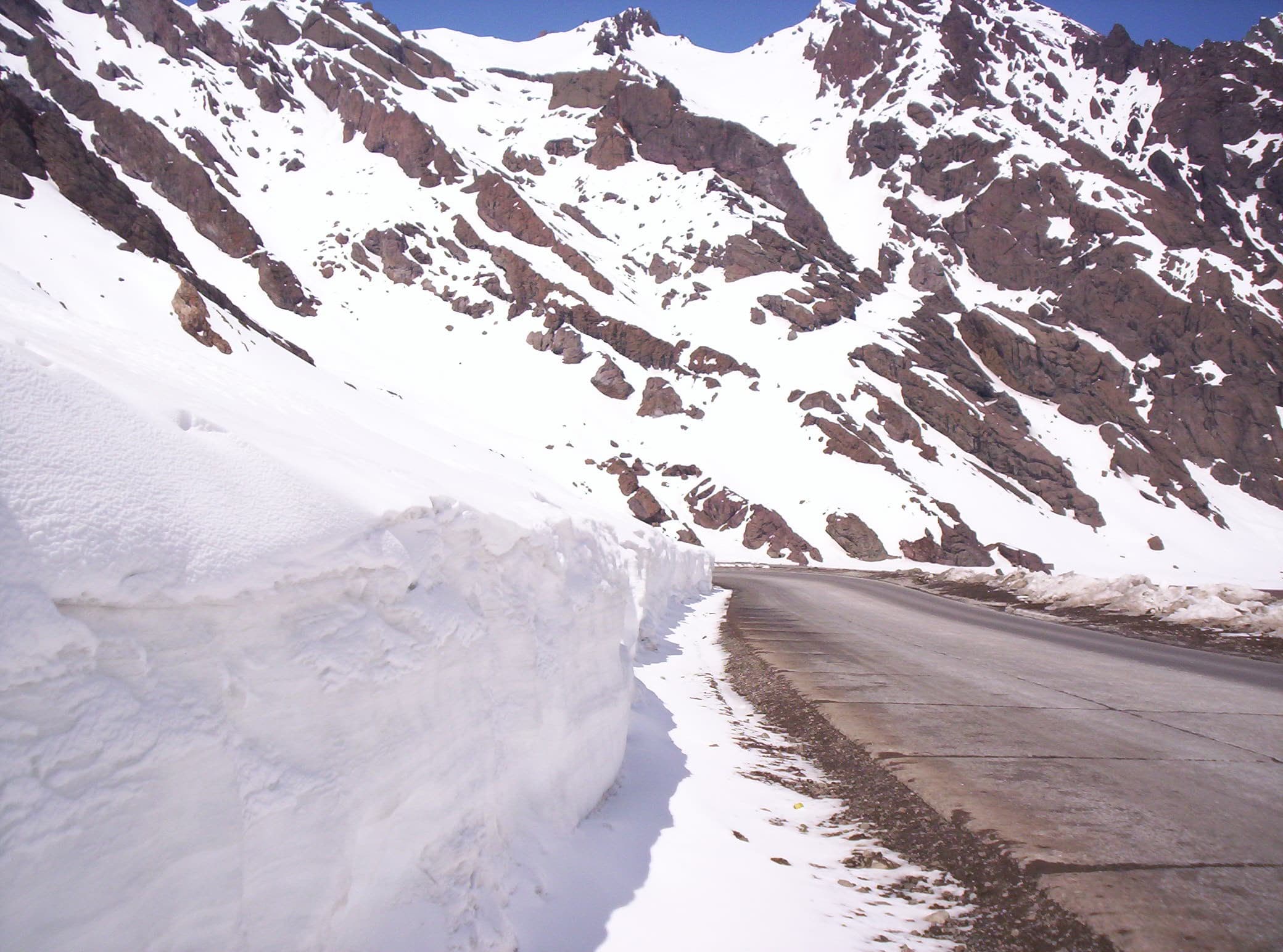
From Santiago, transfer times are short. Valle Nevado, La Parva, and El Colorado are all within 37 miles (60km) of the city center, roughly one hour by road. Portillo is 100 miles (160km) northeast, about 2.5 hours by road via the spectacular Ruta 60 through the Andes toward the Argentine border. Private transfers, shared shuttles, and rental cars are all options, though renting a car requires snow chains and comfort with steep mountain switchbacks.
One critical note: the access road to the Tres Valles resorts (Ruta G-21) closes during heavy snowstorms. Closures can last several hours or occasionally a full day. If you are day-tripping from Santiago, check road conditions before departing. If you are staying on-mountain, closures are an inconvenience for arrival and departure days but do not affect your skiing.
Chilean Ski Culture
Most resort staff at Valle Nevado and Portillo speak functional English, but Spanish is the primary language everywhere else. Learning a few basic phrases ("un ticket de adulto" for one adult ticket, "la cuenta, por favor" for the check) goes a long way. Download an offline translation app before you leave.
Tipping in Chile follows a 10% convention at restaurants, which is often included in the bill as "propina sugerida." For ski instructors, a tip of 10,000 to 20,000 CLP ($10 to $20) per half-day lesson is appropriate. The Chilean peso (CLP) is the currency; credit cards are widely accepted at resorts, but carry cash for smaller transactions and tips.
Chilean ski culture revolves around the midday meal. Lunch is the main event: a long, seated affair with wine, multiple courses, and no rush to get back on the slopes. This is not a grab-a-sandwich-on-the-chairlift culture. Embrace it. The afternoon skiing after a proper Chilean lunch, with the slopes emptied out, is one of the great pleasures of skiing here. Chilean wine is excellent and remarkably affordable, even at resort restaurants: a bottle of good Carmenere or Cabernet Sauvignon rarely exceeds $20.
Package vs Independent Travel
Portillo is all-inclusive by design. You book a week, and your room, meals, lift pass, and most activities are included. There is no independent option: you stay at Hotel Portillo or the handful of smaller lodges beside it, and you eat in the hotel dining room. This is part of the appeal.
Valle Nevado offers both packages and independent bookings. The resort's three on-mountain hotels sell ski-and-stay packages that bundle accommodation, meals, and lift passes at a modest discount. Independent travelers can book hotel rooms separately, buy day passes, and eat a la carte. Both approaches work, though packages simplify logistics for a first visit.
For the Tres Valles as a whole, independent travel is straightforward. You can base yourself in a rental apartment in Farellones or La Parva, buy a Tres Valles pass, and ski all three resorts at your own pace. This is the most flexible and often the most affordable approach.
Santiago also works as a base for day trips. Some US skiers stay in the city, enjoying Santiago's restaurants, museums, and wine bars in the evenings, and drive or shuttle up to the mountains each morning. This works well for the Tres Valles resorts but is impractical for Portillo given the 2.5-hour transfer.
Cost Overview
Chile is more expensive than Argentina for skiing but cheaper than most European resorts and comparable to mid-range US resorts. Here are approximate costs in USD for the 2026 season:
| Expense | Budget | Mid-Range | Premium |
|---|---|---|---|
| Accommodation (per night) | $60–100 (apartment) | $150–250 (hotel) | $300–500 (Portillo/VN hotel) |
| Lift pass (per day) | $55–65 (single resort) | $70–85 (Tres Valles) | Included in package |
| Equipment rental (per day) | $25–35 | $40–55 | $60–80 (demo skis) |
| On-mountain lunch | $15–25 | $25–40 | $40–60 |
| Dinner | $15–25 | $30–50 | $50–80 |
| Transfer (round trip) | $40–60 (shared shuttle) | $120–180 (private) | $200+ (private SUV) |
A realistic one-week budget for a mid-range trip (flights from the US East Coast, shared apartment in the Tres Valles, six days of skiing, eating out) runs approximately $2,800 to $3,800 per person. Portillo's all-inclusive weeks start around $2,500 and climb to $4,500 depending on room category and season timing. For a comparison with Argentine pricing, see our Chile vs Argentina skiing guide.
Further Reading
- Chile vs Argentina Skiing: Side-by-side comparison of terrain, snow, cost, and culture across both countries.
- Portillo vs Valle Nevado: Which Chilean resort is right for you?
- South America Ski Resorts: The Complete Guide: Every resort in Chile and Argentina, evaluated.
- Best Time to Ski in South America: Month-by-month breakdown of conditions and pricing.
- Skiing the Andes: A First-Timer's Planning Guide: Flights, visas, altitude, gear, and everything else you need for your first trip.
Browse all South American resorts in our resort directory, or use the comparison tool to evaluate specific resorts side by side.
 Resort
Portillo
Chile
 Resort
Valle Nevado
Chile
ArticleChile vs Argentina Skiing 2026: 9 Resorts Compared
Chile vs Argentina skiing: 9 resorts compared on terrain, snow, cost and access, with budget breakdowns to help you pick the right Andes ski trip for 2026.
 Article
Best Time to Ski South America in 2026: Month-by-Month Guide
When to ski South America in 2026 — month-by-month breakdown of snow conditions, crowds, and flight prices from June to October across Chile and Argentina. Includes the best weeks to avoid Argentine school holidays.
ArticleFirst-Timer's Andes Ski Guide 2026: Costs, Flights & Altitude
2026 season open. Plan your first Andes ski trip: flights, visas, altitude & budget breakdown. Argentina from $2,000/week, Chile from $2,900.
More Guides