Chile skiingArgentina skiingSouth America skiingAndes skiingski trip planningValle NevadoPortilloBarilocheLas Leñas
Chile vs Argentina Skiing 2026: 9 Resorts Compared
The Mountain Marker Team9 min read
Portillo, Chile: the yellow hotel beside Laguna del Inca
Chile is better for high-altitude snow quality, proximity to Santiago, and linked resort skiing. Argentina is better for value, town atmosphere, and expert terrain at Las Lenas. Most first-timers should choose based on two questions: do you want a resort experience (Chile) or a town-plus-mountain experience (Argentina), and how important is your budget? Argentina wins on cost by a significant margin.
Here's the full comparison across every factor that matters.
Terrain and Skiing
Chile
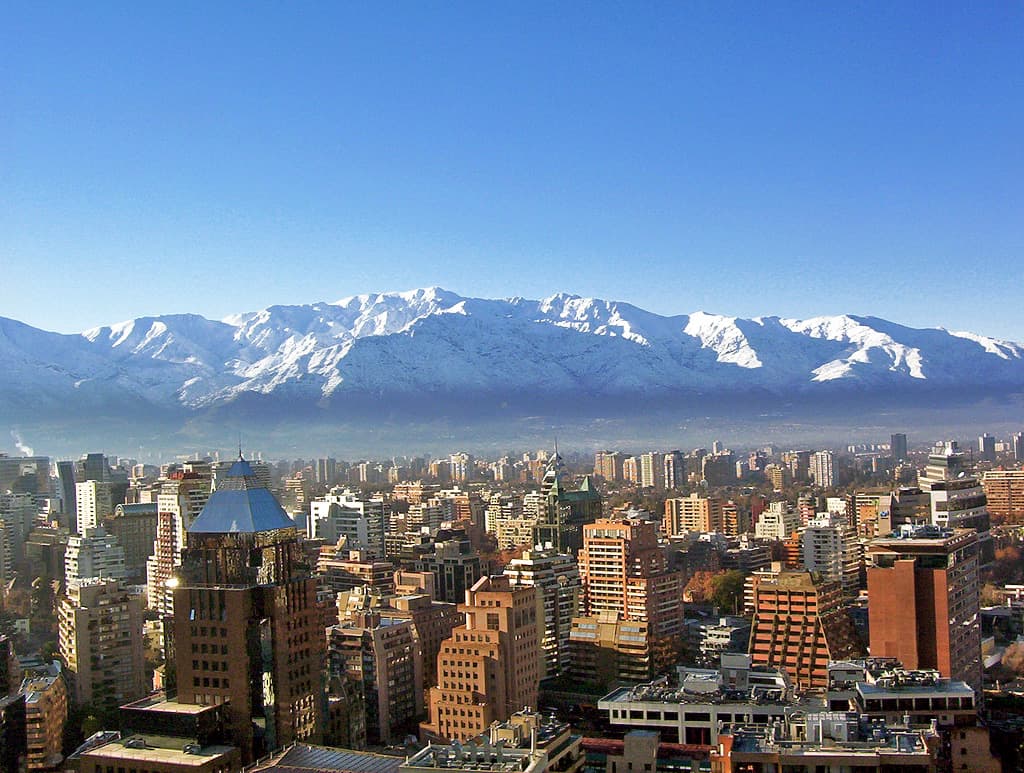
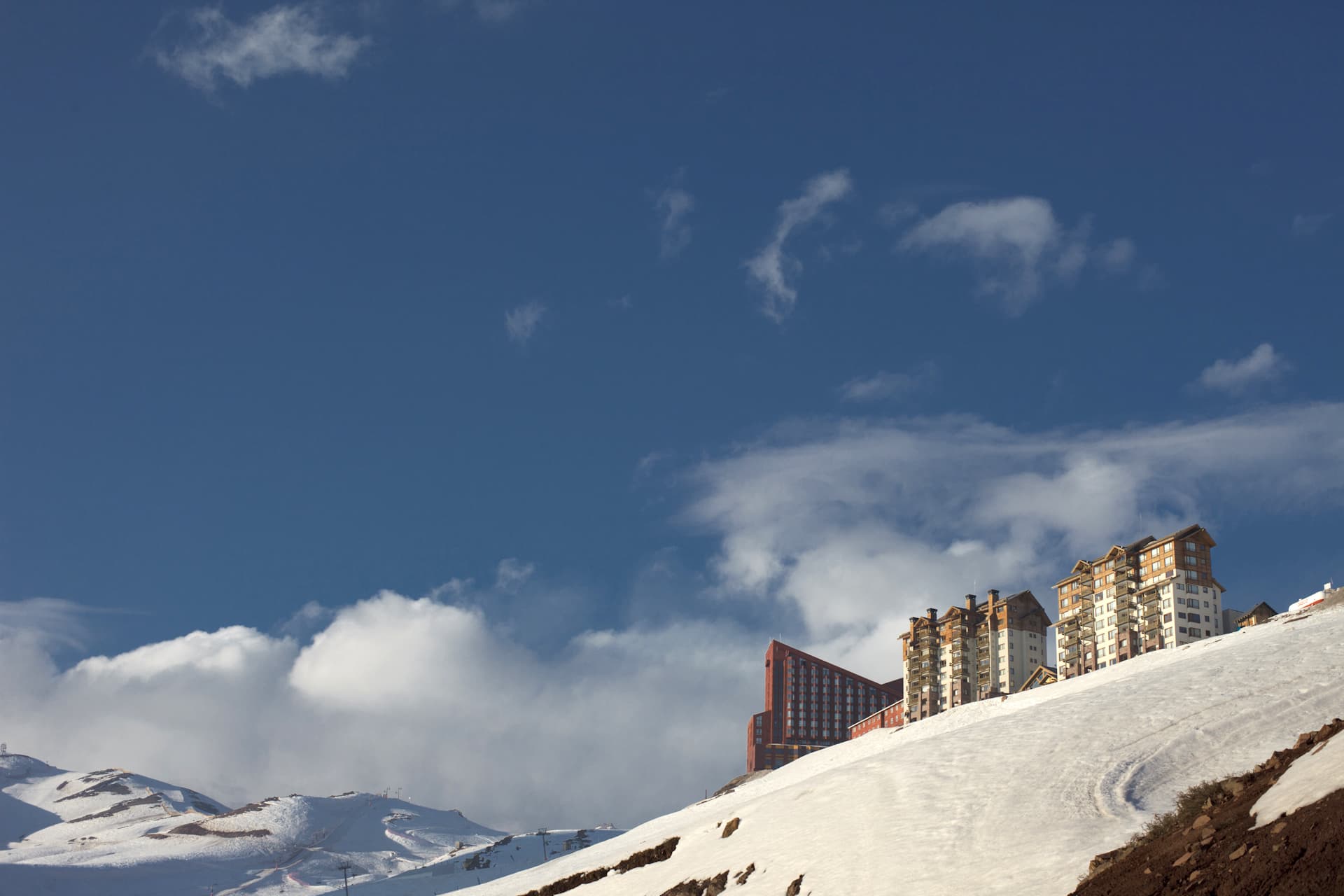
Chile's ski resorts sit higher in the Andes, with base elevations typically above 2,400m and peaks reaching 3,670m at Valle Nevado. The terrain is predominantly above the treeline: open, windswept bowls with wide groomed runs and extensive off-piste opportunities. The Tres Valles system (Valle Nevado, La Parva, and El Colorado) offers around 100 runs on a single pass, which is the closest South America gets to an interconnected European ski area.
Portillo stands apart with its steep, technical terrain and the unique Va et Vient rope tows that access genuinely challenging runs. For heliskiing, Valle Nevado's operation is world-class and significantly cheaper than equivalent experiences in Canada or Alaska.
Chile's terrain strength: High-altitude consistency, linked resort skiing, heliskiing.
Argentina
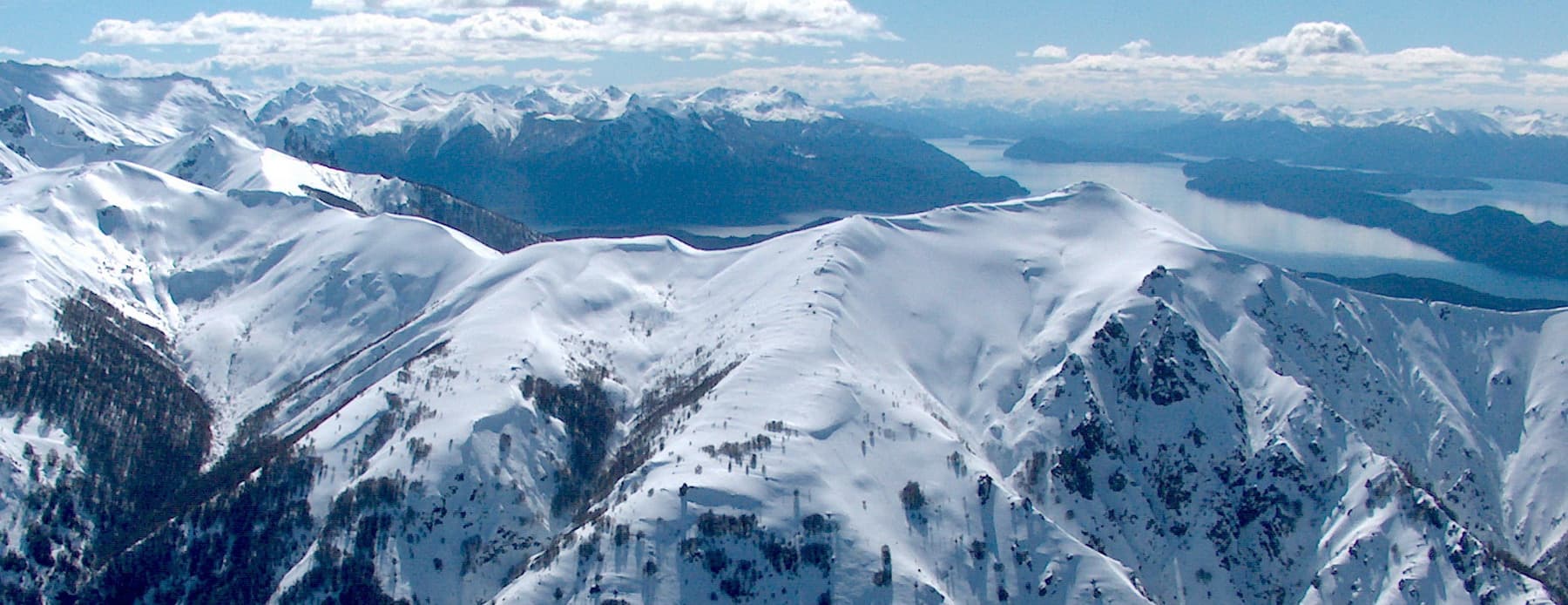
Argentina has more terrain overall, anchored by Cerro Catedral, South America's largest ski resort with 110 runs and 1,200 hectares. The terrain caters to all levels, with particularly strong intermediate skiing. But Argentina's real claim for serious skiers is Las Lenas, whose back bowls and steep chutes rival expert terrain anywhere in the world. When the Marte chairlift is running and conditions are right, Las Lenas delivers powder skiing that's genuinely world-class.
Chapelco adds excellent tree skiing through lenga beech forest, a rarity in South American skiing where most resorts sit above the treeline. And Cerro Castor, the world's southernmost ski resort, offers a unique sub-Antarctic skiing experience.
Argentina's terrain strength: Greater variety, best expert terrain (Las Lenas), tree skiing, largest single resort.
Verdict: Terrain
Argentina wins on variety and expert-level skiing. Chile wins on altitude and linked skiing. If you're an advanced-to-expert skier, Argentina (specifically Las Lenas) should be your priority. If you want reliable groomed skiing at altitude with the option to ski multiple resorts, Chile's Tres Valles delivers.
Snow Quality and Reliability
Chile
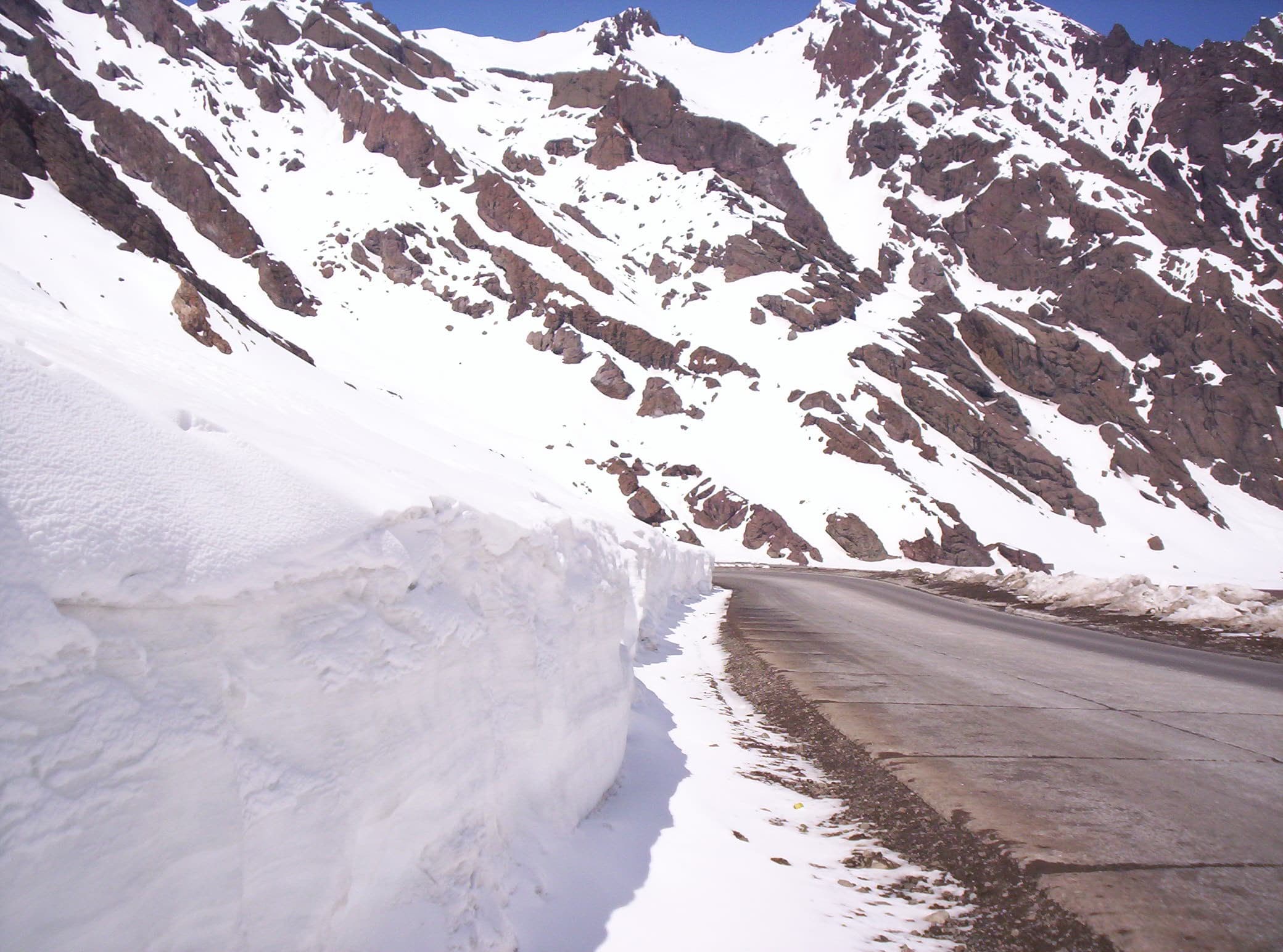
Higher altitude means drier, more reliable snow. Chilean resorts rarely have the low-snow anxiety that affects lower Argentine resorts. Valle Nevado's peak at 3,670m virtually guarantees snow from mid-June through September. The snow texture is what locals call "Andean powder": lighter than European snow, though not quite as dry as the champagne powder of Utah or Colorado. Wind can be a factor on exposed terrain above the treeline.
Argentina
More variable. Cerro Catedral's low base (1,050m) makes it vulnerable in thin snow years; the lower runs can be marginal, and rain rather than snow is possible at base level. Las Lenas at 2,240m base is more reliable, and its higher terrain holds snow well. Cerro Castor's southern latitude (54°S) compensates for low altitude with cold temperatures; the season there often extends into October.
Verdict: Snow
Chile wins on consistency. The higher altitudes provide a more reliable product. Argentina is more of a gamble at lower resorts, but Las Lenas and Cerro Castor are solid.
Access and Getting There
Chile
Santiago is the gateway to all major Chilean resorts. Direct flights from New York (10–11 hrs), Miami (8.5 hrs), Los Angeles (11.5 hrs), and Dallas (10 hrs). Once in Santiago, transfers are short: Valle Nevado is 1 hour, La Parva and El Colorado similar, and Portillo 2.5 hours. You can realistically land in Santiago in the morning and be on the slopes by afternoon. Day-tripping from Santiago to the Tres Valles resorts is genuinely feasible.
Nevados de Chillan is the exception: it's a 5-hour drive from Santiago or 1.5 hours from the regional airport at Concepcion.
Argentina
Buenos Aires is the hub, but Argentine resorts require domestic connections. Bariloche (BRC) is a 2-hour flight from Buenos Aires with a 20-minute transfer to Cerro Catedral: simple logistics. Chapelco has its own airport. Las Lenas is the pain point: a 5-hour drive from Mendoza or a flight to the small Malargue airport with limited schedules. Cerro Castor requires a 3.5-hour flight to Ushuaia.
The total journey time from the US East Coast to slopes is typically 13–18 hours for Argentina versus 11–14 hours for Chile.
Verdict: Access
Chile wins clearly. Santiago's direct international flights plus short resort transfers make logistics significantly simpler. Argentina's domestic connections add time, cost, and complexity.
Cost
This is where Argentina pulls ahead decisively.
Daily Skiing Costs (approximate per person)
| Expense | Chile | Argentina |
|---|---|---|
| Lift pass | $60–80 | $40–70 |
| Equipment rental | $35–50 | $15–30 |
| On-mountain lunch | $20–30 | $10–20 |
| Accommodation (mid-range, per night) | $150–250 | $60–150 |
| Dinner in town | $30–50 | $15–30 |
One-Week Trip Cost (estimated, from US East Coast)
| Chile | Argentina | |
|---|---|---|
| Flights | $800–1,400 | $800–1,400 (+ $100–200 domestic) |
| Accommodation (7 nights) | $1,050–1,750 | $420–1,050 |
| Lift passes (6 days) | $360–480 | $240–420 |
| Food and drink | $350–560 | $175–350 |
| Equipment rental (6 days) | $210–300 | $90–180 |
| Total | $2,770–4,490 | $1,825–3,400 |
The Argentine peso has made the country remarkably affordable for USD-carrying travelers. The gap is most dramatic in accommodation and food: a steak dinner with a bottle of Malbec in Bariloche costs what a casual lunch costs in Valle Nevado.
Verdict: Cost
Argentina wins by a wide margin. Budget-conscious skiers should head to Cerro Catedral or Chapelco. Chile is not expensive by European standards, but Argentina is genuinely cheap.
Culture and Apres-Ski
Chile
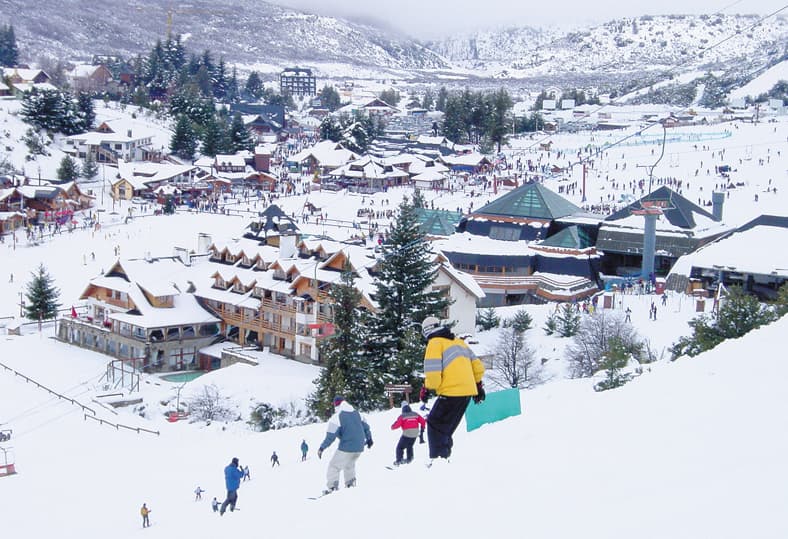
Chilean ski culture is more reserved and resort-focused. Valle Nevado and Portillo are self-contained resort environments: polished, comfortable, but not places with vibrant nightlife or independent restaurant scenes. Santiago itself is an excellent city for food and wine, but you'll likely be 60km up a mountain road when the lifts close. La Parva has a weekend cabin community feel. El Colorado/Farellones is family-oriented.
The exception is Nevados de Chillan, where the volcanic hot springs create a genuinely unique apres-ski ritual: soak in geothermal pools with mountain views after a day on the slopes.
Argentina
Argentina's ski culture is social, late-running, and centered on town life. Bariloche has dozens of independent restaurants, chocolate shops, wine bars, and craft breweries. San Martin de los Andes (Chapelco's base) is one of the prettiest towns in Patagonia. Las Lenas has a famously wild nightlife scene: bars that don't open until midnight, dancing until 4am. Even the food is an event: Argentine asado (barbecue) is a multi-hour social affair, and the wine is world-class and absurdly affordable.
If food, wine, and social atmosphere are important to you, Argentina is not close to Chile. It's in a different league.
Verdict: Culture
Argentina wins decisively. The combination of real towns, outstanding food and wine, and a social ski culture makes the off-mountain experience significantly more rewarding.
Which Resorts in Each Country?
Best Resorts in Chile
- Valle Nevado: Best all-round. High altitude, good infrastructure, heliskiing, Tres Valles access.
- Portillo: Best for a unique experience. All-inclusive, capacity-limited, steep terrain. Not for beginners.
- Nevados de Chillan: Best for a different kind of trip. Volcanic skiing plus hot springs.
- El Colorado/Farellones: Best for families and beginners. Easiest access from Santiago.
- La Parva: Best as part of Tres Valles. Local's mountain with good off-piste.
Best Resorts in Argentina
- Cerro Catedral (Bariloche): Best all-round. Largest resort, real town, outstanding value.
- Las Lenas: Best for experts. Steep terrain, legendary powder days, wild nightlife.
- Chapelco (San Martin de los Andes): Best for families. Charming town, tree skiing, relaxed atmosphere.
- Cerro Castor (Ushuaia): Best for bucket-list travelers. Southernmost skiing on Earth, combine with Patagonia tourism.
So Which Country Should You Choose?
Choose Chile if:
- You want the most reliable snow conditions
- Short transfers from the airport matter to you
- You're interested in heliskiing
- You want to ski multiple linked resorts (Tres Valles)
- You're an intermediate skier who values groomed terrain at high altitude
Choose Argentina if:
- You're on a budget (the value is extraordinary)
- You care about town atmosphere, food, and wine
- You're an expert skier who wants Las Lenas
- You want to combine skiing with broader Patagonia travel
- You're traveling with family and want a real town base (Bariloche or San Martin)
Choose both if:
- You have two weeks and want to experience the full range of Andes skiing
- Fly into Santiago, ski Tres Valles for a week, then fly to Bariloche for a week. The contrast between Chilean resort skiing and Argentine town-based skiing is one of the great double-headers in world skiing.
Where to stay in Valle Nevado
Browse hotels and accommodation near Valle Nevado.
Find hotels on ExpediaSponsored — we earn a small commission when you book through Expedia. It doesn't cost you more.
Where to stay in Cerro Catedral
Search ski apartments and rentals near Cerro Catedral.
Find chalets on VrboSponsored — we earn a small commission when you book through Vrbo. It doesn't cost you more.
Decided where to go?
Build your itinerary with the trip planner.
Further Reading
- South America Ski Resorts: The Complete Guide: Detailed breakdown of every resort in Chile and Argentina.
- Best Time to Ski in South America: Month-by-month conditions, crowds, and pricing.
- Skiing the Andes: A First-Timer's Planning Guide: Flights, visas, altitude, costs, and everything you need for your first trip.
Browse all South American resorts in our resort directory, or use the comparison tool to evaluate specific resorts side by side.
 Resort
Valle Nevado
Chile
ResortCerro Catedral
Argentina
ArticleSouth America Ski Resorts: The Complete 2026 Guide to Skiing in Chile & Argentina
9 ski resorts in Chile and Argentina compared by season, terrain, and cost. Skiing in South America starts from around $1,800 per week including flights from the US.
ArticleBest Time to Ski South America in 2026: Month-by-Month Guide
When to ski South America in 2026 — month-by-month breakdown of snow conditions, crowds, and flight prices from June to October across Chile and Argentina. Includes the best weeks to avoid Argentine school holidays.