PortilloValle NevadoChile skiingSouth America skiingAndes skiingski resort comparisonTres Valles
Portillo vs Valle Nevado: Choosing Your Chilean Ski Resort
The Mountain Marker Team10 min read
Portillo's iconic yellow hotel on the shores of Laguna del Inca
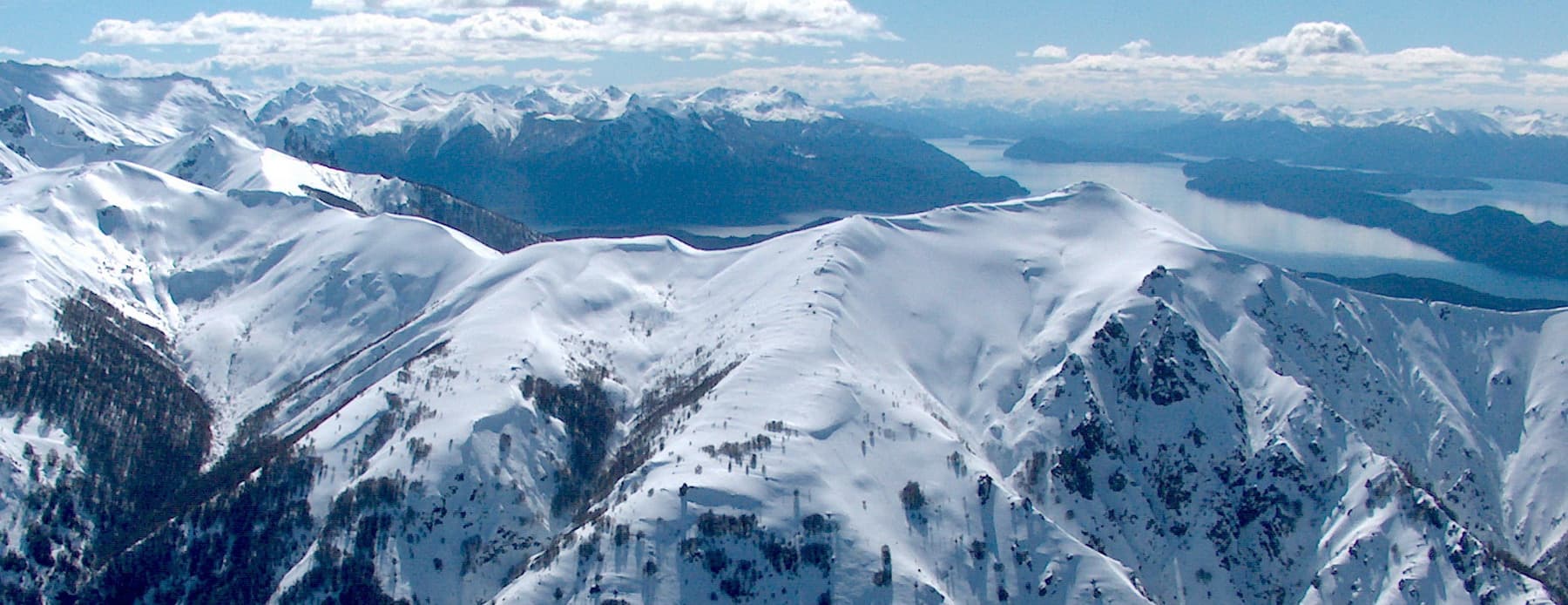
Chile has two ski resorts that matter most to international visitors, and they could not be more different. Portillo is a historic all-inclusive lodge capped at 450 guests, perched beside a frozen Andean lake, with steep technical terrain and a communal atmosphere that feels closer to a mountain expedition than a conventional ski holiday. Valle Nevado is a modern, purpose-built resort — the largest in Chile — offering 40-plus runs across open high-altitude bowls, part of the Tres Valles interconnect with La Parva and El Colorado.
One is a pilgrimage. The other is a ski vacation. Both are excellent, but they serve very different kinds of trips. Here is how to choose.
Terrain and Skiing
Portillo
Portillo sits at a base of roughly 8,465 feet (2,580m) with a peak elevation of 10,935 feet (3,333m). It has 23 marked runs served by a compact lift system that includes the unique Va et Vient — a slingshot-style surface lift that hauls groups of skiers up steep terrain that would be impractical for a conventional chairlift. The Va et Vient accesses some of the most technical inbounds runs in South America: steep chutes, exposed faces, and wide-open powder fields when conditions line up.
The terrain skews expert. If you want sustained steep pitches and genuinely challenging fall lines, Portillo delivers. But there is also a solid beginner area near the hotel, and the intermediate terrain — while limited in quantity — is well-groomed and scenic. The critical advantage is density: with only 450 guests on the mountain at any given time, even Portillo's 23 runs feel spacious. You will never wait in a lift line here.
Valle Nevado
Valle Nevado's base sits higher at 9,383 feet (2,860m), and the peak reaches 12,040 feet (3,670m) — among the highest lift-served skiing in South America. The resort offers 40-plus runs across 14 lifts, with a mix of wide groomed boulevards, steep chutes off the ridgeline, and open powder bowls. On its own, Valle Nevado is a solid mid-size resort. Connected to La Parva and El Colorado through the Tres Valles lift pass, the total terrain expands to roughly 100 combined runs — the closest thing South America has to an interconnected European ski area.
Valle Nevado is more balanced across ability levels. Intermediates have significantly more terrain to explore than at Portillo, and the resort operates a well-regarded heliskiing program that accesses untouched Andean terrain at a fraction of what equivalent operations charge in British Columbia or Alaska. For advanced skiers who do not need the technical intensity of Portillo's steepest lines, Valle Nevado's combination of lift-served terrain and heli-accessed backcountry is compelling.
Verdict: Terrain
Portillo wins for expert skiers who want steep, technical terrain and empty slopes. Valle Nevado wins for everyone else — more runs, more variety, higher peak elevation, and the Tres Valles connection for those who want to explore. If you are an intermediate skier, Valle Nevado is the clear choice. If you dream about uncrowded steeps, Portillo is hard to beat.
The Experience
Portillo
Portillo is not really a ski resort in the way most Americans understand one. It is a single yellow hotel — the Hotel Portillo — sitting on the shore of Laguna del Inca at the foot of steep Andean slopes, roughly 6 miles (9km) from the Argentine border. There is no town, no village, no strip of restaurants. There is the hotel, and there is the mountain.
Bookings run Saturday to Saturday. You check in, you are assigned a dining table for the week, and you eat every meal in the same communal dining room with the same 450 guests. Breakfast, lunch, and dinner are included. So is your lift pass. So is the wine at dinner. The social dynamic is unlike anything else in skiing — by Wednesday, you know half the hotel by name. By Friday, you are exchanging contact details and planning return trips together. Ski racing teams from around the world use Portillo as a training base, so you may find yourself sharing a table with Olympic athletes.
This format is not for everyone. If you want independence, flexibility, or the ability to eat where and when you choose, Portillo will feel restrictive. But if you lean into it, the experience is singular — part ski lodge, part cruise ship, part summer camp for adults who happen to love skiing.
Valle Nevado
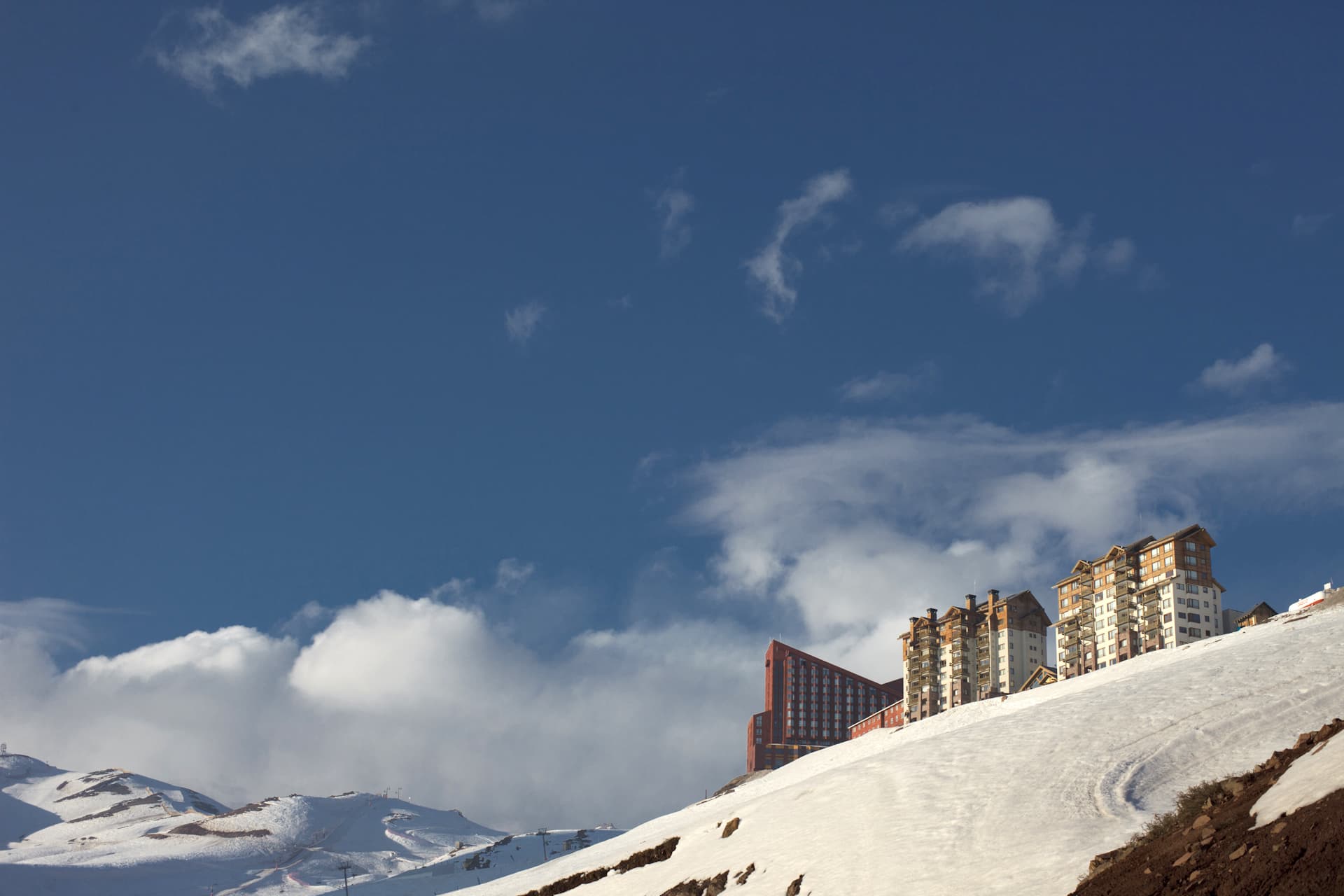
Valle Nevado operates more like a conventional ski resort. There are three on-mountain hotels ranging from three to four stars, plus apartment-style accommodation for those who want a kitchen. You book the nights you want, eat where you want, and structure your days independently. The resort village is compact and purpose-built — functional rather than charming, but adequate.
Critically, Valle Nevado is close enough to Santiago that day trips are feasible. Some visitors stay in the capital and drive up for individual ski days, treating Valle Nevado more like a local mountain than a destination resort. This flexibility is a genuine advantage for travelers who want to combine skiing with city time in Santiago — one of South America's most interesting cities for food, wine, and culture.
Verdict: Experience
Portillo wins if you want something you cannot get anywhere else. The all-inclusive, capacity-limited, communal format is genuinely unique in world skiing. Valle Nevado wins if you want a normal ski vacation with flexibility, independence, and the option to dip in and out from Santiago.
Snow and Season
Both resorts benefit from high-altitude positions in the central Andes, where the season typically runs from mid-June through early October. Snow quality in this part of Chile is what locals call "Andean powder" — lighter than European snow, though not quite as dry as the champagne powder of Utah or Colorado.
Portillo's base at 8,465 feet (2,580m) is lower than Valle Nevado's 9,383 feet (2,860m), and its peak is roughly 2,700 feet (800m) lower. In marginal years, this altitude difference matters — Valle Nevado holds snow longer into spring and starts the season with more reliable coverage. Portillo compensates with snowmaking on key runs and benefits from its position in a natural snow trap where the road climbs toward the Argentine border.
Valle Nevado's higher elevation is an advantage that compounds through the season. The resort's peak at 12,040 feet (3,670m) stays cold when lower terrain softens, and the Tres Valles connection means you can chase the best conditions across three resorts on any given day.
Verdict: Snow
Valle Nevado has the edge on pure snow reliability thanks to higher elevation. Portillo is not unreliable — it has operated since 1949 and rarely has a bad season — but in a year with below-average snowfall, Valle Nevado's altitude advantage is meaningful.
Getting There
Both resorts are accessed from Santiago's Arturo Merino Benitez International Airport (SCL), which has direct flights from New York (10-11 hours), Miami (8.5 hours), Los Angeles (11.5 hours), and Dallas (10 hours).
Valle Nevado is roughly 37 miles (60km) from Santiago — about 1 to 1.5 hours by car, depending on road conditions. The route climbs through 40 switchbacks into the mountains. It can close after heavy snowfall, but reopens relatively quickly. The proximity to Santiago makes day trips realistic and means you can be on the slopes within a few hours of landing.
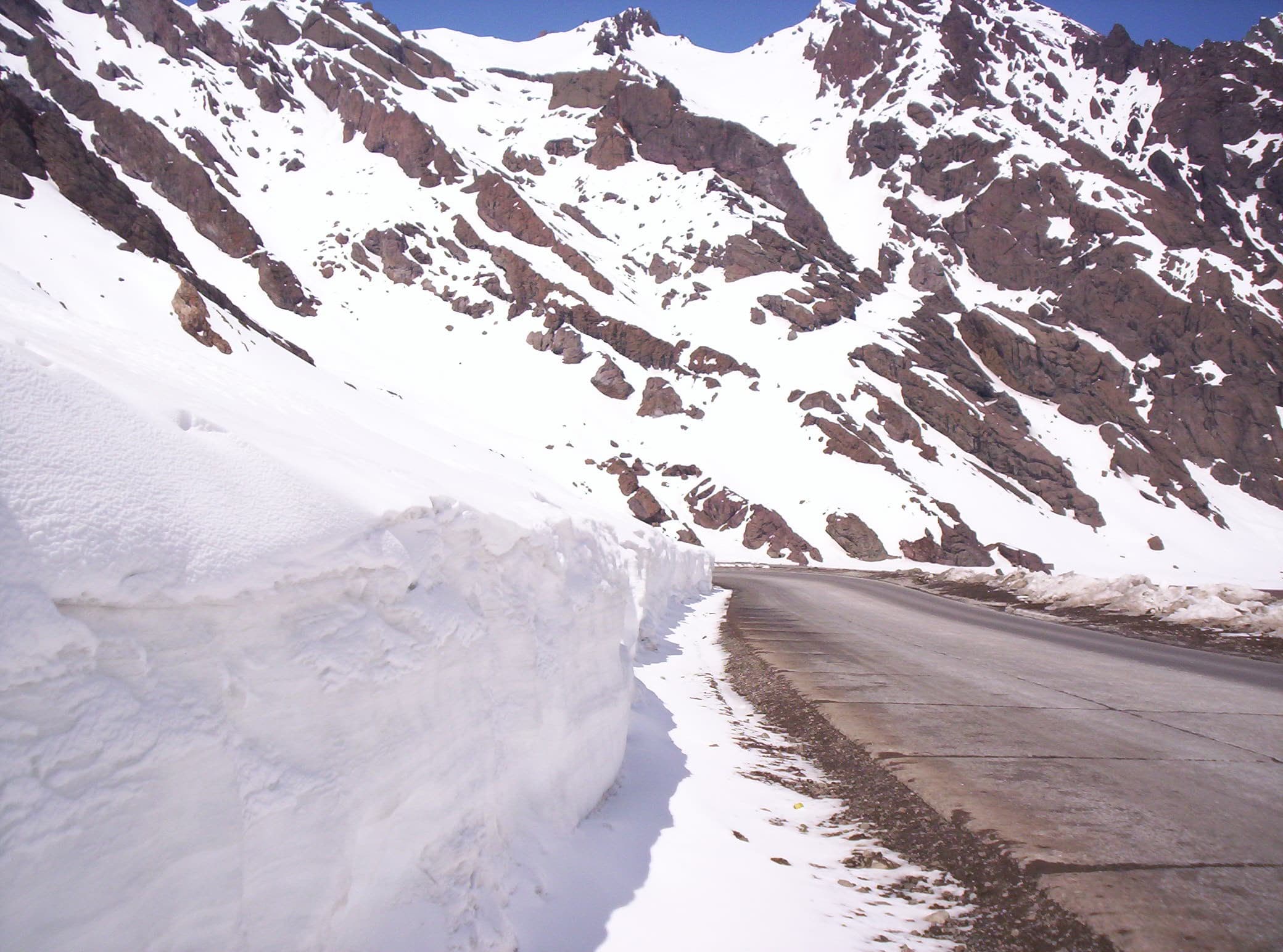
Portillo is roughly 102 miles (164km) from Santiago — about 2 to 2.5 hours by car along the road toward the Argentine border via the Los Libertadores pass. The mountain road is more exposed and more prone to storm closures than the Valle Nevado route. When the road closes, you wait — there is no alternative. Portillo arranges transfers for guests on Saturday changeover days, and experienced drivers handle the route routinely, but this is not a mountain you casually drive up to for a day trip.
Verdict: Access
Valle Nevado wins on convenience. Shorter drive, feasible day trips, and a road that reopens faster after storms. Portillo's longer, more exposed approach is part of its character — it reinforces the feeling of arriving somewhere remote and committed — but it adds logistical complexity, especially if a storm rolls in during your transfer day.
Cost
This comparison is less straightforward than it appears, because the two resorts use fundamentally different pricing models.
Portillo
Portillo sells all-inclusive weekly packages. Prices for the 2026 season range from approximately $1,500 to $3,500 or more per person for a Saturday-to-Saturday stay, depending on room category and time of season. That price includes your room, three meals a day, wine at dinner, lift pass, and use of the hotel facilities (pool, gym, cinema). The high-end suites push well above $3,500. Children's rates are lower, and there are occasional short-stay options outside peak weeks, though the Saturday-to-Saturday format is standard.
Valle Nevado
Valle Nevado prices a la carte. Hotel rooms run roughly $150 to $300 per night depending on the property and season. Lift passes are approximately $60 to $80 per day. Meals are separate — budget $20 to $40 per person for lunch on the mountain and $30 to $50 for dinner. Equipment rental, ski school, and heliskiing are all additional.
A comparable one-week trip at Valle Nevado — seven nights in a mid-range hotel, six days of lift passes, meals, and equipment rental — totals roughly $2,000 to $3,500 per person. On paper, the range overlaps with Portillo. In practice, Valle Nevado offers more flexibility to control costs: stay in an apartment and cook, ski fewer days, skip the expensive on-mountain lunch. At Portillo, the price is the price.
Verdict: Cost
Valle Nevado wins on flexibility. You can build a Valle Nevado trip at nearly any budget level. Portillo is a fixed commitment — you pay for the full package whether you ski six days or three. But Portillo's all-inclusive model also eliminates surprise costs: you know exactly what the week will cost before you arrive, and the included wine and meals represent genuine value if you would spend freely at a la carte resort.
Who Should Choose Which
Choose Portillo if:
- You want a once-in-a-lifetime experience that does not exist anywhere else in skiing
- You are an expert or strong advanced skier who values steep, technical terrain
- The communal, social atmosphere appeals to you — you enjoy meeting people and shared meals
- You want guaranteed uncrowded slopes (450 guests, period)
- You have a flexible schedule that accommodates the Saturday-to-Saturday format
- Ski racing is part of your background or interest — national teams train here regularly from August through October
Choose Valle Nevado if:
- You are an intermediate skier who wants more terrain and variety
- You are traveling with family and need flexibility in scheduling and meals
- You want the option to day-trip from Santiago rather than commit to a remote mountain lodge
- Budget control matters — you want to spend exactly what you choose
- You want to ski multiple resorts through the Tres Valles connection
- Heliskiing is on your list (Valle Nevado's operation is excellent and well-priced)
Choose both if:
You have two weeks and want the full range of Chilean skiing. Fly into Santiago, spend a week at Valle Nevado exploring the Tres Valles system, then transfer to Portillo for a week of steep terrain and communal lodge life. The contrast between the two experiences is one of the most rewarding double-headers in Southern Hemisphere skiing.
Further Reading
- Chile vs Argentina Skiing: Which Country Should You Choose? — Broaden the comparison to include Argentine resorts like Cerro Catedral and Las Lenas.
- South America Ski Resorts: The Complete Guide — Detailed breakdown of every resort in Chile and Argentina.
- Best Time to Ski in South America — Month-by-month conditions, crowds, and pricing across the season.
- Skiing the Andes: A First-Timer's Planning Guide — Flights, visas, altitude, costs, and everything you need for your first Andes trip.
Browse all South American resorts in our resort directory, or use the comparison tool to evaluate Portillo and Valle Nevado side by side.
 Resort
Portillo
Chile
ResortValle Nevado
Chile
ArticleChile vs Argentina Skiing 2026: 9 Resorts Compared
Chile vs Argentina skiing: 9 resorts compared on terrain, snow, cost and access, with budget breakdowns to help you pick the right Andes ski trip for 2026.
 Article
Best Time to Ski South America in 2026: Month-by-Month Guide
When to ski South America in 2026 — month-by-month breakdown of snow conditions, crowds, and flight prices from June to October across Chile and Argentina. Includes the best weeks to avoid Argentine school holidays.