
Andes skiingski season timingsnow patternsEl Niño skiingLa Niña skiingChile skiingArgentina skiingPatagonia skiingSouth America weather
The Andes Ski Season: When to Visit, Where, and Why
The Mountain Marker Team9 min read
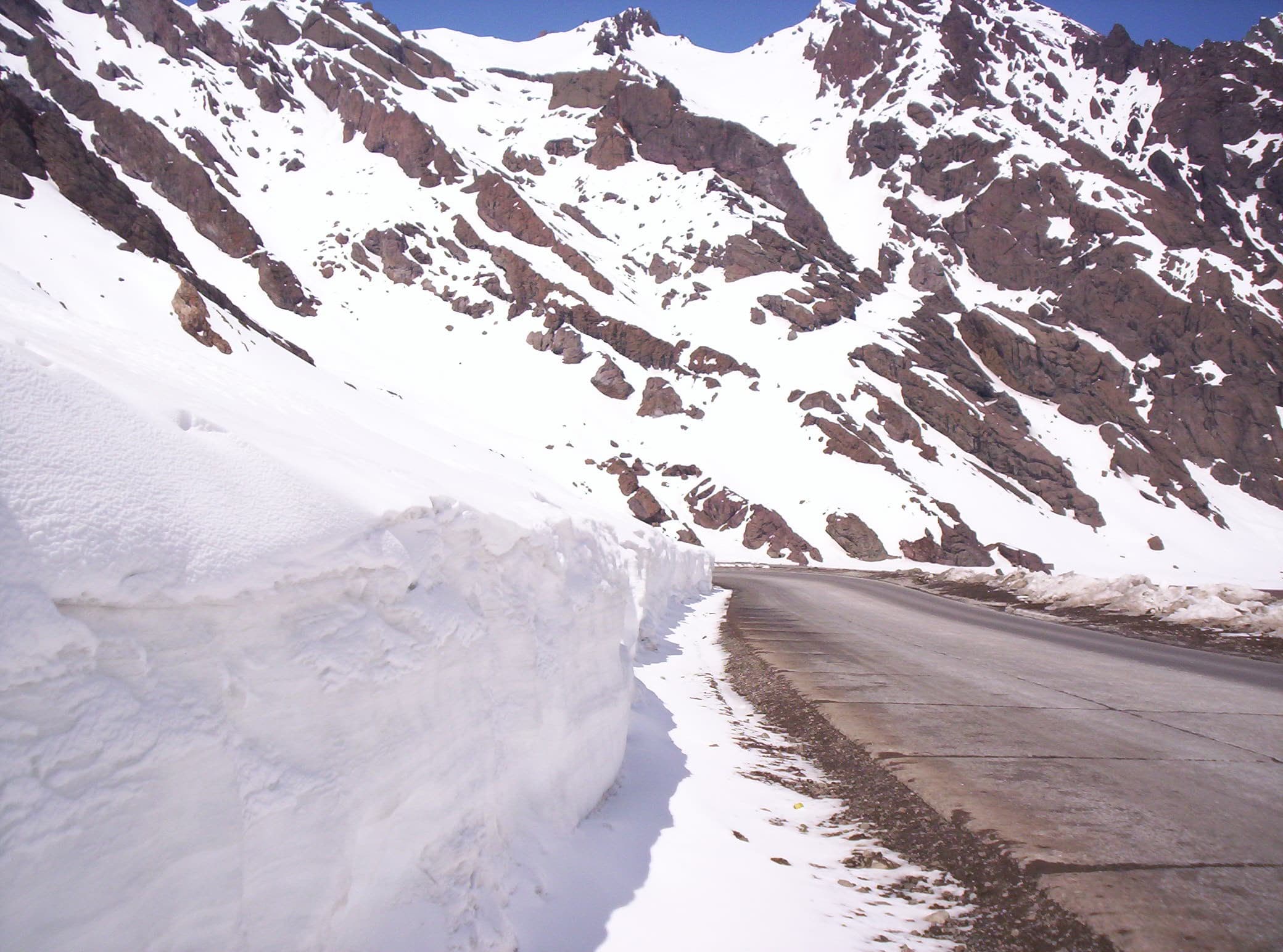
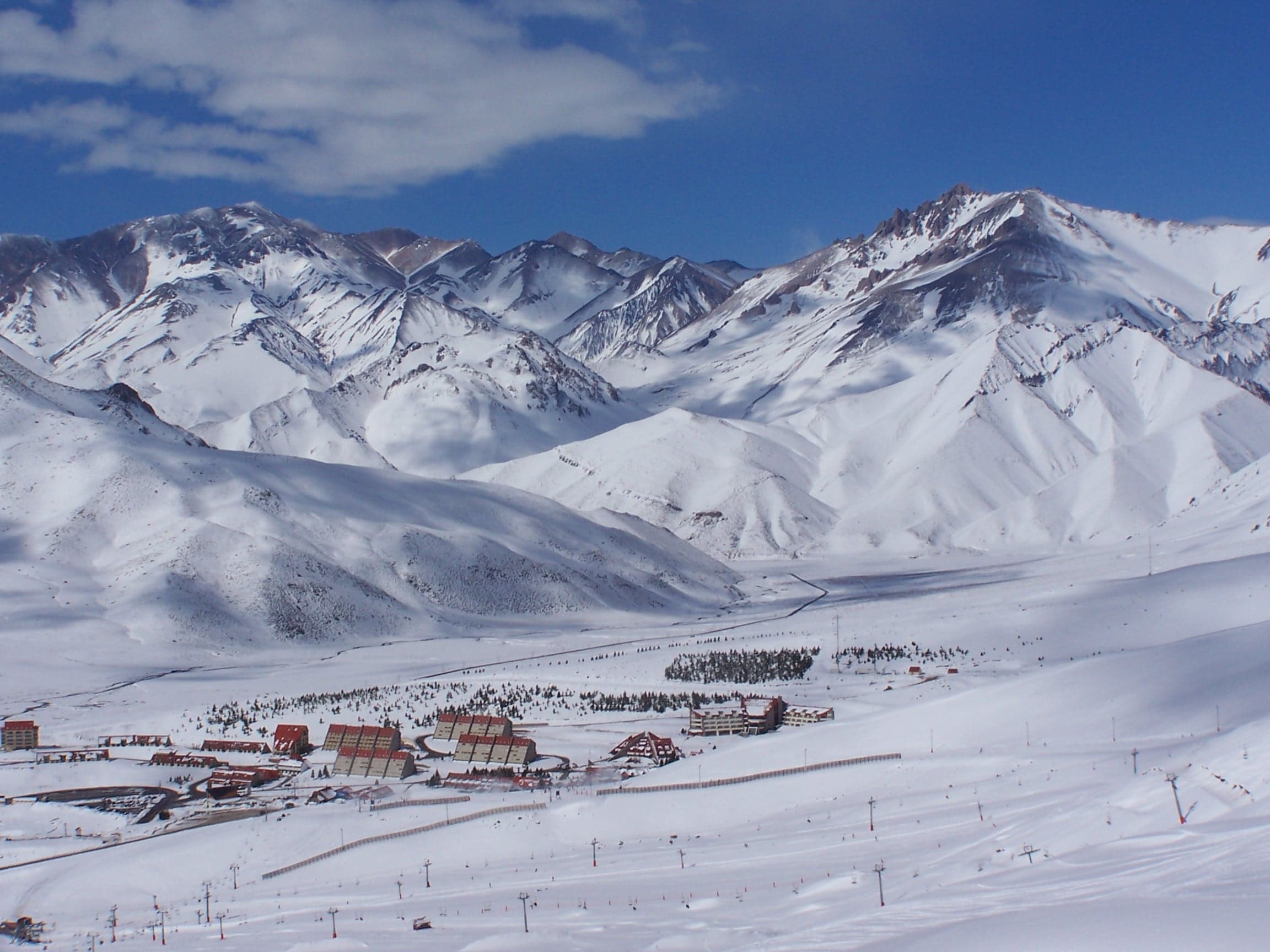
Portillo and Laguna del Inca: where Pacific storms meet the high Andes
The Andes ski season runs roughly June through October. But that five-month window is misleading. Where you go, what kind of snow you want, and how much variability you can tolerate all depend on which part of the 4,300-mile (7,000 km) mountain chain you are targeting. Central Chile, Argentine Patagonia, and the Mendoza highlands each receive snow from different weather systems, at different altitudes, with different levels of year-to-year reliability. This guide breaks down those regional differences so you can match your trip timing to the conditions you actually want.
Understanding Andes Snow Patterns
The Andes receive snow primarily from Pacific weather systems that move eastward off the ocean. Moisture-laden fronts collide with the western face of the range, dump precipitation at altitude, and arrive on the Argentine side significantly drier. This orographic effect is the single most important factor in Andean snow, and it explains why Chilean resorts at equivalent altitudes tend to receive more natural snowfall than their Argentine counterparts.
But altitude matters just as much as geography. Higher resorts hold snow longer, receive it colder, and maintain better coverage through the season. A resort at 10,000 feet (3,050 m) in the central Andes occupies a fundamentally different climate zone than one at 3,400 feet (1,050 m) in Patagonia, even though they are both "Andes ski resorts."
Three distinct snow regions emerge, each with its own character.
Chilean Central Andes (Santiago region): Resorts like Valle Nevado and Portillo sit between 8,200 and 11,800 feet (2,500-3,600 m). Snow here arrives from Pacific frontal systems: discrete storms that deliver dumps of dry, cold snow followed by clear, stable periods. The snowpack builds in layers. When conditions align, the quality rivals anything in the Rockies. When fronts stall or track too far north or south, these resorts can go weeks without meaningful new snow. Reliability correlates strongly with altitude: the higher you are, the more storms reach you as snow rather than rain.
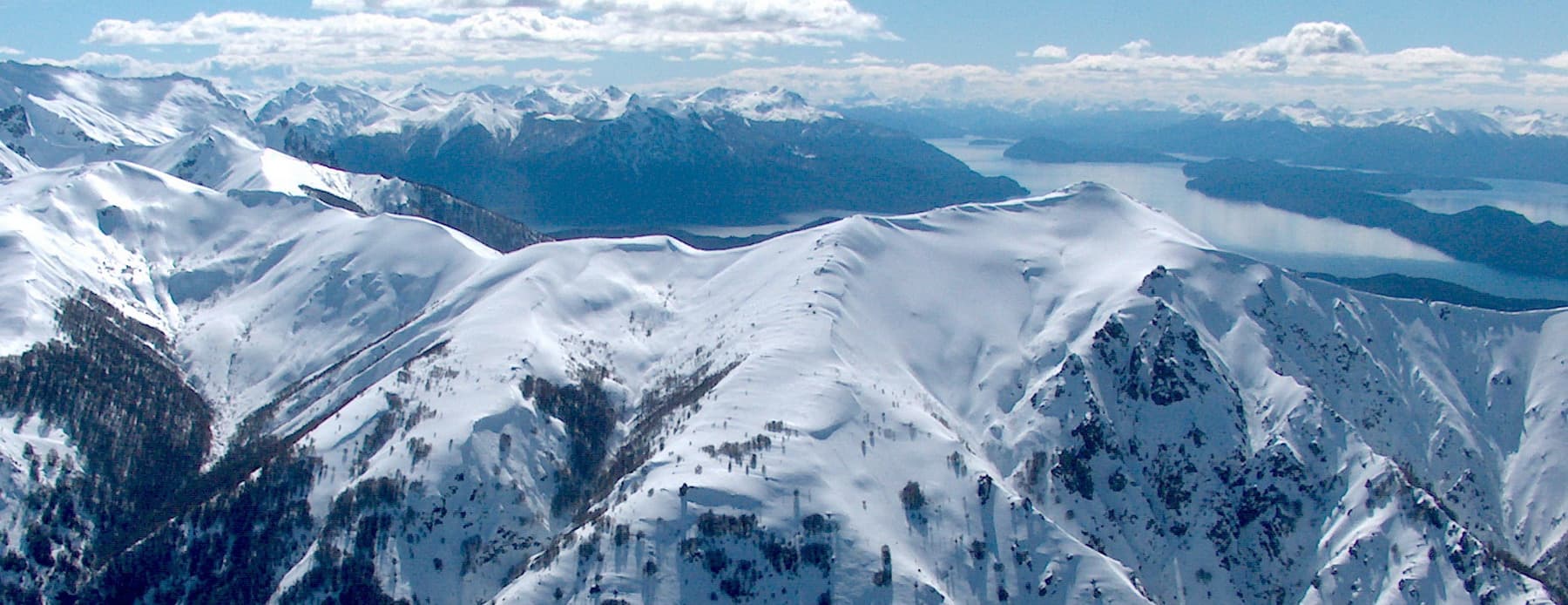
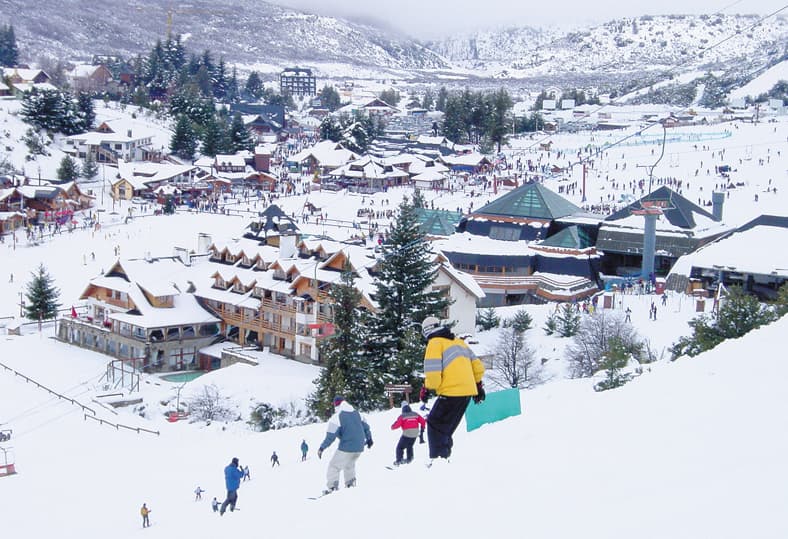
Argentine Patagonia (Bariloche region): Cerro Catedral and Chapelco sit much lower, between 3,400 and 6,900 feet (1,050-2,100 m). They receive moisture from a different pattern: southern ocean weather systems that wrap around the bottom of the continent. The snow is wetter and heavier than in central Chile. Patagonian resorts have significant tree coverage (lenga beech forests), which means excellent tree skiing but also a lower freezing line. Year-to-year variability is high. A great Patagonia season delivers lush, deep coverage through thick forest. A poor one leaves lower runs patchy by mid-August.
Argentine Mendoza (Las Lenas region): Las Lenas occupies a middle ground at 7,350 to 11,250 feet (2,240-3,430 m) on the eastern side of the range. Its snow is continental: cold and dry when it arrives, but the resort sits in a rain shadow. Las Lenas is feast or famine. In a good year, the back bowls hold deep, untracked powder for days. In a bad year, the Marte chairlift barely opens because coverage on the upper terrain is insufficient. Committing to Las Lenas means accepting genuine uncertainty in exchange for potentially outstanding conditions.
The El Nino and La Nina Factor
ENSO (El Nino-Southern Oscillation) cycles influence Andean snowfall meaningfully, though the effect is regional and probabilistic rather than guaranteed. For a deeper dive into how ENSO affects skiing globally, see our complete El Nino vs La Nina guide.
El Nino years tend to favor the central Chilean Andes. The warmer-than-average sea surface temperatures in the tropical Pacific shift storm tracks southward and increase the frequency of Pacific frontal systems hitting the Santiago-region mountains. Valle Nevado and Portillo historically see 20-40% above-average snowfall during moderate-to-strong El Nino events. For US travelers who can monitor NOAA's ENSO forecasts in spring and book accordingly, an El Nino signal is a strong reason to target central Chile.
La Nina years are generally drier in central Chile. Storm tracks shift northward, reducing the frequency of frontal systems that reach the Santiago-latitude Andes. Patagonia is less affected; its southern ocean weather systems operate somewhat independently of tropical Pacific temperatures. Las Lenas, sitting in a rain shadow regardless of ENSO phase, is a wildcard in both scenarios.
The practical takeaway: If you are booking six months ahead and NOAA is forecasting a moderate-to-strong El Nino, book central Chile. If the forecast shows La Nina or neutral conditions, consider Patagonia or hedge your bets with a two-resort itinerary. Year-to-year variability is real in the Andes (more so than in the Alps or Rockies), and ENSO awareness is one of the few tools you have to tilt the odds in your favor.
Month-by-Month Conditions by Region
Rather than repeating the general month-by-month breakdown (which our best time to ski South America guide covers in detail), here is how conditions differ across regions within each month.
June: The Opening Window
Central Chile's high resorts open first. Valle Nevado and Portillo typically open in the second or third week of June, with base depths of 20-40 inches (50-100 cm) at altitude. Coverage is thin but skiable. The Pacific storm track is establishing itself, and early-season storms can be significant, or absent entirely.
Patagonia lags behind. Cerro Catedral often opens in mid-June, but its lower altitude means early coverage is inconsistent. In some years the lower runs are still green. Tree skiing requires more depth to cover roots and undergrowth.
Las Lenas opens last among the major resorts, often not until late June. Its upper terrain needs substantial coverage before the expert runs are accessible, and that takes multiple storm cycles.
June verdict: If you are going in June, go high. Central Chile is the only reliable option for quality early-season skiing. Flights are at their cheapest, and you will have slopes almost entirely to yourself.
July: Peak Winter Arrives
This is when the Andes genuinely come alive. Central Chilean resorts reach full operation with base depths of 40-80 inches (100-200 cm). Storm cycles are frequent, and cold temperatures at altitude preserve fresh snow. Portillo's steep terrain and the Va et Vient rope tows are typically fully operational.
Patagonia hits its stride. Cerro Catedral has reliable coverage across most terrain, and the tree skiing becomes excellent after mid-month. However, Argentine school holidays (roughly July 10-25) bring significant crowds to all Argentine resorts. US travelers who want uncrowded Patagonia should target early July or skip to August.
Las Lenas enters its prime. The snowpack has had time to build, and the Marte chairlift, which accesses the resort's legendary expert terrain, is most likely to operate in July and August. Cold continental air keeps the snow dry and fast.
July verdict: Best snow of the season across all regions. But Argentine crowds are real in mid-month. Central Chile offers peak conditions without the holiday surge.
August: Maximum Depth, Moderating Crowds
The snowpack across all regions is at or near its seasonal maximum. Central Chilean resorts often carry 60-100+ inches (150-250+ cm) at base. Temperatures remain firmly below freezing at altitude, preserving snow quality. Days are noticeably longer than in July: roughly 11 hours of daylight at Santiago's latitude.
Patagonia is excellent. The Argentine school holiday crush has passed, and Cerro Catedral returns to its normal, pleasantly uncrowded state. Mid-August brings Chilean school holidays, but the impact on Argentine resorts is minimal.
Las Lenas is at peak depth. If you are planning a Las Lenas trip and want the best odds of the Marte chair running with manageable crowds, the first two weeks of August are the sweet spot.
August verdict: The strongest month overall. Every region delivers, crowds have moderated, and flight prices begin easing from their July peak. If you can only pick one month, pick August.
September: The Spring Transition
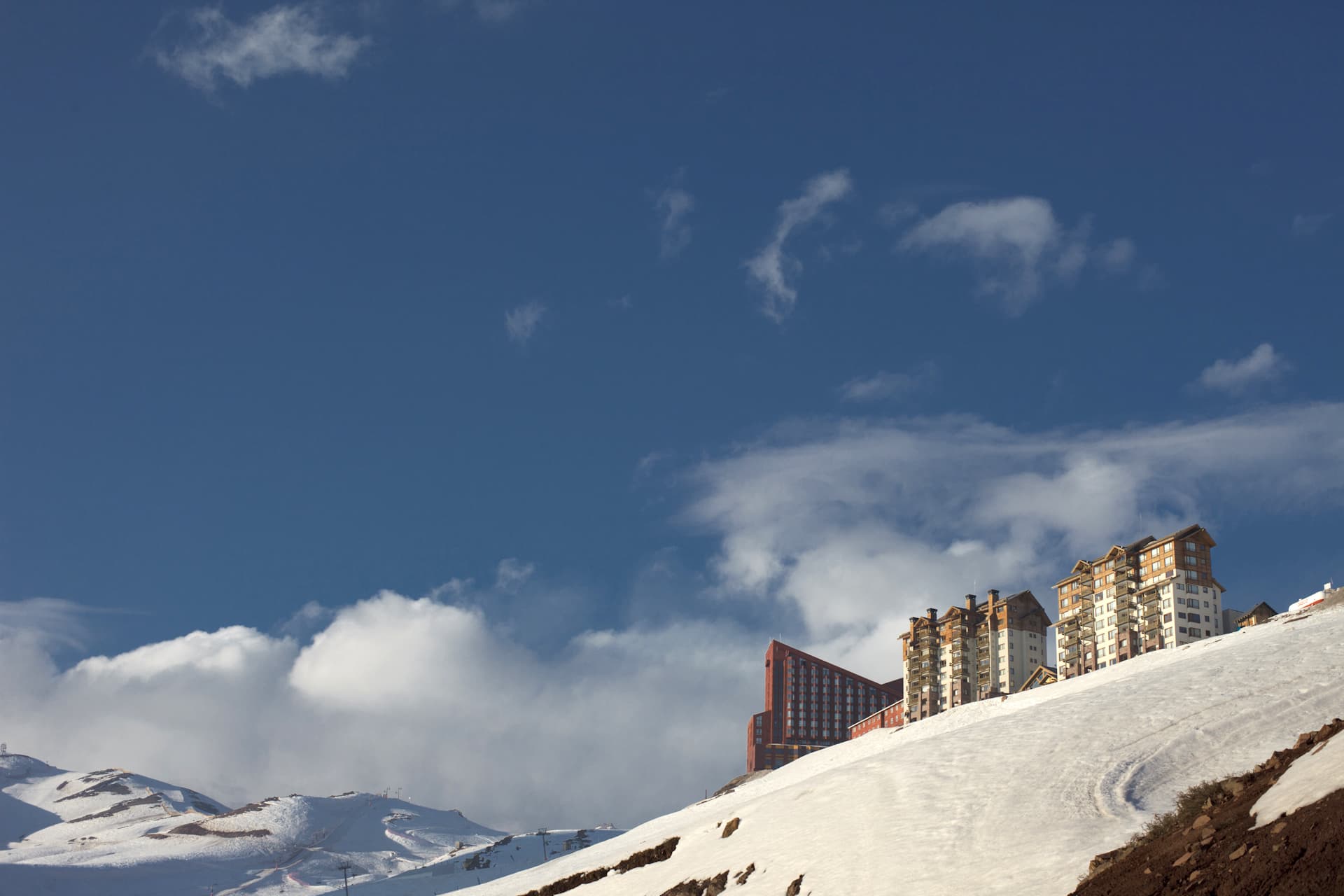
Central Chile transitions to spring skiing. Morning conditions are firm and fast, often the best grooming of the season, but the snow softens rapidly after 11 AM. Corn snow (surface freeze-thaw cycles) dominates. The skiing is enjoyable, especially early in the day, but the character is completely different from midwinter. Higher terrain at Valle Nevado stays colder longer.
Patagonia fades first. Cerro Catedral's lower runs become patchy. Chapelco typically closes by late September. The warmer maritime influence that gives Patagonia its tree skiing also accelerates its spring melt.
Las Lenas can still deliver. Its high altitude and continental climate keep temperatures colder than equivalent dates in Patagonia. The upper terrain often holds good snow into mid-September, though the back bowls become increasingly sun-affected on north-facing (sun-facing in the Southern Hemisphere) slopes.
September verdict: Best for budget-conscious travelers and spring skiing enthusiasts. Central Chile at altitude is the most reliable option. Patagonia is winding down.
October: Final Days
Only the highest resorts remain open. Portillo sometimes operates into mid-October. Valle Nevado may close by the first or second week. Lower resorts across all regions are done.
October is backcountry touring season for the committed. The snowpack is consolidated, avalanche risk is lower (though not absent), and long days provide ample daylight for touring. But lift-served skiing is limited and uncertain. Do not book an October trip expecting a full resort experience.
October verdict: Only for flexible travelers who are comfortable with the possibility that their target resort may have already closed.
Regional Timing Recommendations
Central Chile (Valle Nevado, Portillo, La Parva, El Colorado): Mid-July through mid-September. This window captures peak snowpack, cold temperatures, and full resort operations. Within that range, late July to late August is the prime corridor.
Patagonia (Cerro Catedral, Chapelco): Mid-July through early September. Avoid the Argentine school holidays (roughly July 10-25) if crowds bother you. August is the optimal month: post-holiday, deep snow, good weather.
Mendoza (Las Lenas): Mid-July through mid-September, but check conditions obsessively before committing. Las Lenas' variability means you should monitor snow reports as close to your travel date as possible. If booking far in advance, pair it with a backup plan: a day trip to Penitentes, or a few days in Mendoza wine country if the mountain disappoints.
Practical Travel Timing
Flights from the US: June offers the cheapest fares (roughly $700-1,200 round trip from East Coast gateways). July and early August are peak pricing ($900-1,500). September and October drop back down. Miami is consistently the most affordable US departure point for both Santiago and Buenos Aires. Booking 3-4 months ahead for July travel is essential; 2 months is usually sufficient for shoulder months.
Crowd avoidance: The two crowd triggers in South America are Argentine school holidays (mid-July) and Chilean school holidays (mid-August). Argentine holidays are the bigger factor because they impact the more popular Argentine resorts heavily. Chilean holidays have a more modest effect, primarily at Santiago-area resorts on weekends.
Hedging your bets: The highest-probability strategy for a US traveler is to book central Chile in late July or August, at a resort above 9,000 feet (2,750 m). This gives you the best combination of snow reliability, altitude insurance, manageable crowds, and reasonable flight pricing. If ENSO forecasts are favorable, you can commit with confidence. If they are not, the altitude still works in your favor.
For a broader comparison of the two countries, see our Chile vs Argentina skiing guide. If you are planning your first trip to the region, our complete skiing in Chile guide and Patagonia skiing guide cover the practical details. And for a head-to-head on Argentina's two flagship resorts, read Bariloche vs Las Lenas.
 Resort
Portillo
Chile
ResortValle Nevado
Chile
 Resort
Cerro Catedral
Argentina
 Resort
Las Leñas
Argentina
 Article
Best Time to Ski South America in 2026: Month-by-Month Guide
When to ski South America in 2026 — month-by-month breakdown of snow conditions, crowds, and flight prices from June to October across Chile and Argentina. Includes the best weeks to avoid Argentine school holidays.
ArticleChile vs Argentina Skiing 2026: 9 Resorts Compared
Chile vs Argentina skiing: 9 resorts compared on terrain, snow, cost and access, with budget breakdowns to help you pick the right Andes ski trip for 2026.
 Article
El Niño vs La Niña: How Climate Patterns Affect Your Ski Trip
ENSO cycles — El Niño, La Niña, and neutral years — shift the jet stream and change which ski regions get buried in powder and which get left dry. Here is how each phase affects snowfall by region and how to use that information when planning your trip.